 An estimated 450 million people worldwide experience one or more mental health conditions (as reported in 2018 by the World Health Organization). Since the ability to live life well and to foster physical and emotional intelligence lies in having strong mental health, it is necessary to prioritize this aspect of one’s health.
Currently, the most common treatments for conditions such as anxiety and depression are medication, cognitive behavioral therapy, and talk therapy. However, there is an emerging body of research that shows how other factors can influence one’s mental health for better or worse. Many now believe that clean eating can deliver an exceptional boost to an individual’s mental.
Explore the evidence for this research, as well as how to use clean eating to improve your own physical and emotional intelligence.
What parts of the body can your diet affect?
As most people already know, your diet has the power to affect more than just your basic health. In addition to helping individuals maintain a healthy weight, feel good throughout the day, and prevent chronic diseases, consuming a good diet has other implications. For example, those who are looking to improve their skin health can change what they eat to achieve this goal. By eating certain foods, and avoiding others, you can give yourself a much better chance of having glowing, radiant skin.
Also, for those who are looking to enhance their memory, a diet full of specific vitamins and minerals can achieve this goal. In short, everything that you put into your body can affect all aspects of the body. There is nothing that your diet cannot influence in some way. That is why it is so essential to adhere to a clean eating diet plan.
How is clean eating defined?
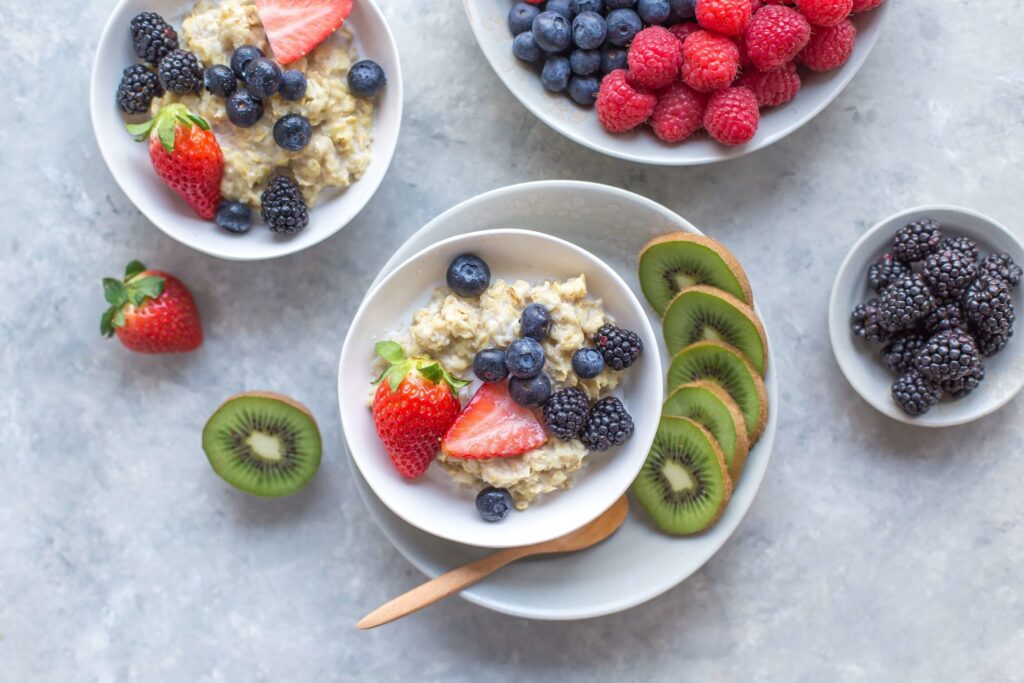
 While there are no specific parameters for what it means to eat a ‘clean’ diet, one definition (provided by the Mayo Clinic) is the consumption of “more whole foods such as fruits, vegetables, lean proteins, whole grains and healthy fats — and [the] limit[ation of] highly processed snack foods, sweets and other packaged foods.” It is thought that eating a diet full of whole, unprocessed foods can deliver more nutrients to the body.
Adhering to clean eating also affords one the chance to avoid the many artificial ingredients and chemicals that are added to so many processed foods on the market. Some experts also believe that clean eating can lead to improved weight loss outcomes, enhanced sleep quality, and better mental health and wellbeing. Certain supplements can deliver an exceptional boost to an individual’s physical health including nootropics for weight loss.
Does research show that foods can actually alter your mental health?
In order to know if clean eating can actually improve an individual’s mental health, it is crucial to examine the current research. Experts with the Mental Health Foundation reported that those who eat more fruits and vegetables experience higher levels of wellbeing. In addition to this research, there are dozens of other scientific studies that link clean eating to positive wellbeing and mental health. In an article published in 2015, a doctor at Harvard Medical School stated that diets high in refined sugar can actually harm the brain.
 This harm (in the form of oxidative stress and increased inflammation) is said to make the symptoms of mood disorders even more pronounced. Finally, in the same article, a shocking study comparing Western diets (e.g. American) and traditional diets (e.g. Japanese, Mediterranean) was also noted. Those who consume traditional, clean diets are 25% to 35% less likely to develop depression than those who eat a Western diet. One thing is absolutely clear from all of the data that is now available: there is a major connection between clean eating and having positive mental health.
What foods harm your mental health?
As mentioned in the research above, there are specific types of processed foods that can cause inflammation and oxidative stress. These processes can then result in a negative impact on one’s mental health. Additionally, certain foods can actually act as depressants or can stimulate feelings of anxiety. For those who experience any kind of mental illness, it is crucial to avoid foods high in sugar, alcohol, foods that are high in saturated fats (e.g. deep fried foods), and foods that contain caffeine (as recommended by Mental Health America). It is also suggested that in addition to avoiding these foods, you should also be sure to eat regularly. Skipping meals, especially breakfast, can further aggravate symptoms, and can lead to brain fog.
What foods are helpful for your mental health?
Thankfully, there are many delicious foods that health experts recommend to promote good mental health. Whether someone has an anxiety disorder, depression, post-traumatic stress disorder (PTSD), or obsessive-compulsive disorder (OCD), eating a diet that is clean and full of nutrients can actually help an individual manage his or her symptoms. Professionals with Mental Health America suggest eating a balanced diet full of fruits, vegetables, whole grains (e.g. whole grain pasta, cereals, and bread), fish, and unsaturated fats. On top of working toward a whole food diet, it is also beneficial to drink at least eight glasses of water per day.
Are there any additional tips for boosting your mental health through your diet?
 In addition to avoiding processed foods, and striving for a clean diet, probiotic supplements could potentially promote balanced mental health. While this topic still requires added study, many researchers have backed the theory of the brain-gut connection. Because of the work that has already been completed, some believe that taking probiotics on a regular basis can calm symptoms of bipolar disorder, and panic attacks (as reported by Healthline).
When looking to further improve your physical and emotional intelligence, striving for balanced mental health is also a must. In order to best manage symptoms of disorders such as anxiety and depression, conventional strategies are the first line of treatment. However, with the ample evidence that is now available, clean eating has also been shown to be one of the best methods for improving an individual’s symptoms.
About The Author: Eva Hurst
 Eva Hurst is a holistic enthusiast that is always on the lookout for clean-eating recipes and a spot to meditate. Her mission is to advocate the importance of self-care through health and wellness.
Join The Wellness Warrior VIP Club:

**Click on the photo above to get exclusive discounts on new wellness tools, be first in line for new podcasts, get access to invite-only events, and so much more.**