 Key Takeaways
- Virtue Recovery offers addiction and mental health treatment in elegant, spa-like settings.
- Each treatment plan is custom-built, not generic.
- Private accommodations, gourmet meals, and holistic wellness options support long-term healing.
- Families are part of the process, not an afterthought.
- Aftercare is structured, supportive, and built to last.
When Does Luxury Not Feel Like Rehab?
Rehab isn’t usually associated with elegance. Most people picture plain rooms, cafeteria meals, and a schedule of required group activities. Of course, structure and clinical care are very important—but what if recovery could be a different experience? What if it were something that felt dignified, comforting, and even lovely?
That’s why Virtue Recovery was founded. They didn’t stop at adding a few luxuries and move on. They designed a new rehab centre experience from the beginning, but did not let go of the clinical quality. What came of this? A place where getting better is seen as honoring yourself, not as something you have to do.
Not a Hotel. Not a Hospital. Something Better.
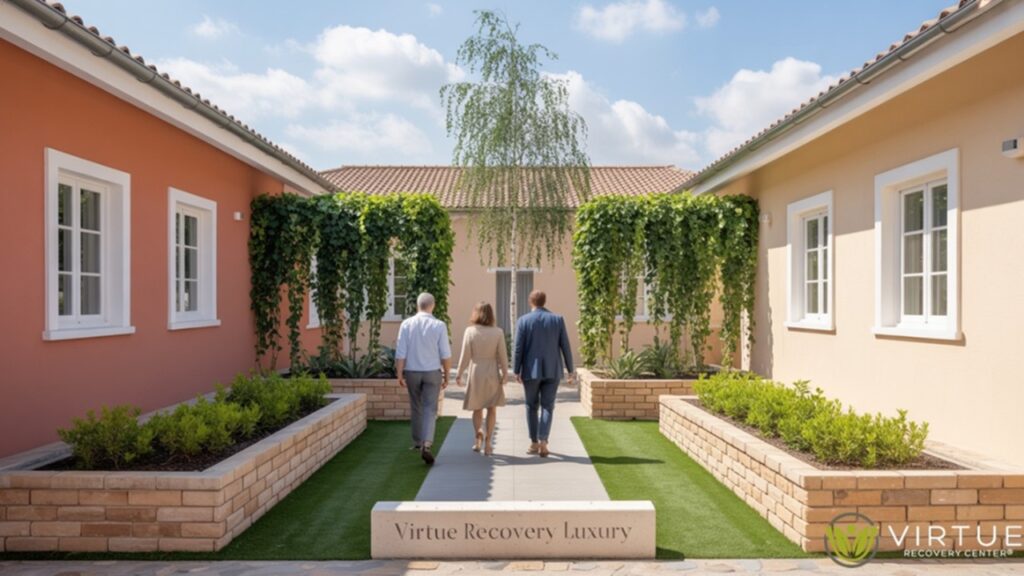
Let me give you a quick overview. You are taken to a Virtue Recovery facility. Rather than a hospital’s cold atmosphere, you find warmth—bright lighting, plenty of room, and a peaceful quiet that isn’t lonely. It feels like you’re entering a peaceful wellness center, except it has licensed therapists, medical detox staff, and a personalized plan ready for you.
Many clients say it’s like finally being able to breathe after being unable to for a long time. Just that can help you begin to open up.
Yes, the beds are truly comfortable.
The Power of Personal Space
It might not seem like much, but privacy is important, especially for parents, professionals, or anyone who’s been quietly dealing with a lot. Most clients at Virtue are placed in private or semi-private suites. That means you can’t be forced to sleep in a bunk bed with someone you don’t know while dealing with years of trauma.
You have time to relax, time to cry, and time to rest. That’s done on purpose. When you’re not distracted by your environment, your brain can concentrate on improving.
Even the smallest things, such as a clean bathroom, a warm meal or a quiet moment, can be very important during detox or early recovery.
Real Treatment, Not Cookie-Cutter Care
This isn’t where you’re handed a “one-size-fits-all” plan and expected to follow along.
Every person’s story is different. So, every treatment plan? Different.
Whether you’re dealing with alcohol addiction, opioids, anxiety, PTSD, or a mix of everything (which, honestly, is more common than people think), the team builds a plan that fits your needs—not just your diagnosis. Therapies might include:
- Cognitive Behavioral Therapy (CBT)
- Dialectical Behavioral Therapy (DBT)
- Trauma-informed therapy
- Medication-Assisted Treatment (when appropriate)
- Holistic options like yoga, breathwork, or even art therapy
And no, they don’t force you into awkward drum circles unless you’re actually into that.
Luxury Rehab That Serves a Purpose
Here’s the thing: “luxury rehab center” sometimes gets dismissed as fluff—like it’s just fancy wallpaper covering serious problems. But that’s not how it works at Virtue Recovery.
Beauty is part of what helps us heal. Why? If people feel secure, appreciated, and looked after, they usually remain, share their thoughts, and do well.
Would you prefer to begin a new journey in a place that treats you like a patient… or someone who matters?
Exactly.
What About the Kids? Or the Rest of the Family?
Families are not just bystanders. At Virtue, we encourage parents, partners, siblings, and anyone in your support system to join. This could involve family therapy, workshops for learning, or a place to ask tough questions and get honest answers.
For teens or young adults, getting involved can make a big difference. You’re not only dealing with the individual patient. You are helping to improve the entire system.
If you’re a parent and not sure how to discuss rehab with your child, Virtue can make that conversation much simpler. It doesn’t seem like I’m sending them away. I’m sending them to a place where they will be treated with respect.
The Exit Plan Is Just as Important
Many treatment centers do not focus enough on aftercare. People move on, and everything goes quiet.
Not here.
Virtue Recovery helps clients with detailed plans for their next steps, including outpatient care, living in sober homes, virtual check-ins, or joining alumni events. The work of recovery continues after you leave the hospital. That’s when things start to feel real. Virtue supports clients so they don’t have to manage everything independently.
One Last Thought…
Having addiction or mental health issues does not mean you are weak. They help you become more human. And seeking support? That’s not a failure. That’s a strength.
Virtue Recovery’s aim is straightforward: to let people heal without feeling ashamed, grow without being afraid, and take back their lives, all while being treated with respect and dignity.
That’s why recovery becomes achievable and effective when rehab and elegance come together.
FAQ
What makes Virtue Recovery different from traditional rehab centers?
Virtue Recovery offers a luxurious, hospitality-driven environment that focuses on personalized, evidence-based care in a setting designed for comfort, dignity, and long-term healing.
Is Virtue Recovery just for wealthy individuals or celebrities?
No, not in the least. Virtue Recovery has high-class facilities, but it also accepts insurance and offers financial advice so more people can benefit from this level of care.
What types of therapy are offered?
People in treatment are given a mix of CBT, DBT, trauma therapy, group therapy, experiential therapies, and holistic approaches such as yoga and meditation.
Can families be involved in the recovery process?
Yes. Family therapy and support are integral parts of the recovery journey. Loved ones are often included in sessions, education, and long-term planning.
Does Virtue offer help after treatment ends?
Absolutely. Every client is given a personal aftercare plan that includes suggestions for outpatient care, alumni groups, and ways to avoid relapse.