
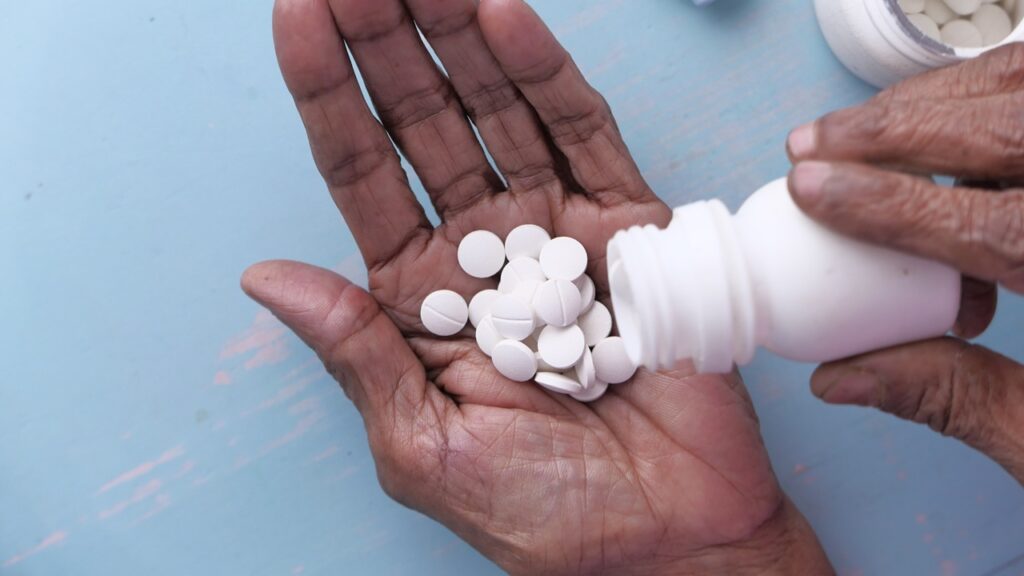
 Methadone is a powerful medication used to treat pain and help people recover from opioid addiction. It has saved many lives but also caused too many deaths. As the misuse of methadone grows, understanding what factors lead to these fatalities is more important than ever. One key part of this understanding is methadone’s half-life, or how long it stays in the body. Knowing this can help reduce risks. This article explores the main reasons why methadone can be deadly when not used carefully and explains how its half-life affects safety. The goal is to give both doctors and patients better tools to stay safe.
Understanding Methadone: Uses and Pharmacology
What is Methadone?
Methadone is an opioid drug that acts on the brain’s receptors to reduce pain and lessen withdrawal symptoms for addicts. It’s called a full opioid agonist, meaning it fully activates the receptors, like heroin or morphine. But unlike other opioids, methadone sticks around longer in the body, making it useful for keeping people stable over time. There are two main uses: as a treatment for pain and as a way to maintain recovery from opioid addiction.
Pharmacokinetics and Methadone Half-Life
The term “methadone half life” describes how long it takes for half of the drug to leave your body. For methadone, that can range from 8 to 59 hours, depending on the person. This wide range makes dosing tricky because some people clear the drug faster, while others keep it in their system much longer. If doses aren’t adjusted carefully, overdose becomes more likely. A long half-life means the drug can accumulate, especially with repeated doses. That increases overdose risks if a person isn’t monitored closely.
Metabolism and Elimination
Methadone is processed mainly in the liver. It uses enzymes like cytochrome P450, which vary greatly among individuals. Factors such as age, liver health, and other medications can change how fast someone’s body clears methadone. If the liver isn’t working well, methadone can stay in the system longer, raising the chance of accidental overdose.
Risk Factors Contributing to Methadone-Related Deaths
Patient-Related Factors
Pain and Addiction Comorbidities
People with both chronic pain and opioid use disorder face high risks. Managing both issues with one drug is tricky. When patients take multiple medications or have complex health issues, overdose risks grow. For example, a patient might be prescribed methadone for pain but also abusing other sedatives, increasing the chance of respiratory failure.
Demographics and Underlying Conditions
Older adults often have slower metabolisms, which cause methadone to build up more easily. Additionally, those with respiratory or liver problems are at greater risk. Breathing difficulties or poor liver function mean the body filters and removes methadone less efficiently, risking toxic levels.
Prescriber-Related Factors
Inadequate Dosing and Monitoring
A common mistake is giving too high or too low doses without proper adjustments. Starting doses should be low and increased gradually. Skipping regular check-ins can lead to dangerous accumulations or inadequate pain control, both of which can turn deadly.
Lack of Patient Education
Patients unaware of how potent methadone is may unintentionally overdose. They might take extra doses or combine it with other depressants like alcohol or benzodiazepines. Education about the drug’s effects and half-life is essential for safety.
External Factors
Drug Interactions
Combining methadone with benzodiazepines, alcohol, or other CNS depressants significantly raises the risk of respiratory depression. These substances slow breathing and can cause death even at lower doses of methadone.
Illicit Use and Diversion
People accessing methadone illegally often take it in habits not safe for their bodies. Without proper medical supervision, the risk of accidental overdose skyrockets. Diversion also means some doses are taken by those unprepared or unfit for treatment, contributing to rising death rates.
The Role of Methadone Half-Life in Overdose and Death
Why Half-Life Matters
Since methadone stays in the body for days, it can build up if doses are too frequent. This accumulation can cause overdose days after the first dose. Unlike shorter-acting opioids, methadone’s long half-life makes it easy to accidentally surpass safe levels. Imagine filling a cup—if you keep topping it up without stopping, it eventually overflows. That’s what happens with repeated doses without proper care.
Implications for Dosing and Titration
Rapid increased doses push the body into toxic territory quickly. Doctors must be cautious, titrate slowly, and monitor the patient closely. Understanding the half-life helps prevent overdose. For example, waiting enough time between dose increases allows the drug to level off, avoiding dangerous buildup.
Chronic Use and Accumulation
Repeated dosing over days or weeks causes methadone to accumulate in fat stores, releasing slowly into the bloodstream. This delayed release can cause rising blood levels days after starting or increasing doses. Many overdose cases are linked to this slow, hidden buildup. A person might feel fine at first, then suddenly overdose long after taking the drug.
Strategies to Minimize Methadone-Related Mortality
Clinical Best Practices
Careful, individualized dosing is key. Start low, go slow, and watch closely. Regular check-ups help spot early warning signs like trouble breathing or abnormal heart rhythms. Routine testing of liver function and monitoring of heart health can catch problems early.
Patient Education and Engagement
Clear communication about how potent methadone is prevents accidental overdose. Patients should understand not to mix it with alcohol or sedatives. Recognizing signs of overdose—like difficulty breathing or unresponsiveness—and knowing when to seek help saves lives.
Policy and Oversight
Stricter prescribing policies, including mandatory drug interaction checks and patient assessments, can curb preventable deaths. Implementing standardized guidelines helps clinicians make safer choices. Authorities should promote programs that connect patients with treatment and overdose prevention resources, like naloxone.
Alternatives and Adjuncts
For some, other medications might be safer options for pain or addiction treatment. Buprenorphine, for example, has a lower overdose risk. Providing naloxone kits to patients on methadone can reverse overdoses in emergencies. These extra steps make use safer and more effective.
Conclusion
Methadone saves lives but also poses serious risks when misused or misunderstood. Factors like patient health issues, dosing errors, drug interactions, and its long half-life all contribute to overdose deaths. Learning how methadone’s half-life influences its safety can help us make smarter choices, whether we’re prescribing or taking it. Ongoing research, education, and vigilant care are crucial. We must stay focused on reducing preventable deaths and ensuring that this powerful medication is used responsibly.