Have you ever thought about how quickly you eat your meal?
Or have you ever thought about the fact that the way in which you eat a meal impacts the way you digest and absorb its nutrients?
Did you know that digestion actually begins in the brain? And that the sight, sound, and smell of food is what signals the release of the digestive enzyme, salivary amylase, in the mouth?
Mealtime practices are just a small example of a lost tradition that we as a society have become completely disconnected from.
In a world that is taught to achieve more, be more, and sacrifice more hours, there is seemingly less time to focus on ourselves, which is in part why mealtime traditions are a thing of the past.
So why is having a good mealtime practice important?
Establishing Your Mealtime Practice
 Having a healthy, established mealtime practice can help transition the body out of the sympathetic (fight-or-flight) state to the parasympathetic (rest and digest) state.
Fight or flight mode is a state of being that our body is in when we feel that our environment is not safe. This state of being's primary purpose is to protect us. However, when it is far too often that we don’t feel safe, calm, relaxed, and rested, the result is being in this chronically stressed state.
When our Autonomic Nervous System transitions into fight-or-flight mode, the ability for bodies to digest and assimilate nutrients completely halts, among many other physiological processes in the body.
Fight-or-Flight Vs. Rest-and-Digest
What happens in the Sympathetic (Fight-or-Flight) State?
• Heart rate increases to bring more blood flow to muscles (this is to prepare our body to “flee” from a predator)
• Blood pressure increases
• Blood moves from our organs to our skeletal muscles
• Body temperature and the rate we are sweating increases
 While this mode is designed to protect us, the problem here in lies that our body is unable to differentiate between what is an actual threat and what is a perceived threat (ie traffic, work deadlines, fights with friends or your significant other). Humans are actually the only species where we can drop into Fight-or-Flight mode through thought alone.
Our bodies are not meant to perpetually be in this state of being because it essentially prevents our bodies from creating, recovering, and renewing.
What happens in the Parasympathetic (Rest-and-Digest) State?
• Slows down the heart rate
• Returns breathing to normal
• Promotes oxygen flow to every tissue and organ
• Increase blood flow to our organs
• Promotes synthesis of new energy, hormones, neurotransmitters, white blood cells etc.
• Enhances recovery
So, how can focusing on a better mealtime practice help?
Benefits Of A Better Mealtime Practice
This is one of the many reasons why establishing a better mealtime practice can foster safety, reassurance, and a sense of calmness, and therefore promote the body transitioning back to the parasympathetic state.
Not to mention, our society is taught that spending too much time on ourselves is selfish, not allowed, and not a “deadline” priority.
So basically, what we are saying is that nourishing our bodies, fueling our minds, and promoting more self-care is objectively not helping us BE better, more productive employees?
Something tells me all who are reading this will disagree.
 Having the opportunity to truly enjoy your food promotes more self-care, more self-awareness, more self-love, and more self-compassion. All of these values combined reassure the body that you are safe and allows the body to drop back into the parasympathetic state.
So how do we go about even doing that?
I’m so glad you asked.
Tips to Establish Your New Mealtime Practice
1. Step away from distractions – put all work and electronics away. Deadlines, Instagram, Snapchat, and Facebook can all wait. This is time for you. The more you fill up your own cup, the more you can fill up others. Have an established time when you are eating and focusing only on you and your meal.
2. Take time to really appreciate your food – this also means selecting or preparing something you actually look forward to eating. So, so important! Cannot stress it enough. Maybe this looks like saying a little prayer. Maybe it’s just smelling your food. (Did you know digestion actually begins in the brain? The sight, smell and sound of food signals the hypothalamus to begin the release of enzymes in the mouth!)
 3. Chew your food – but before you do that, first become conscious of how many times you chew your food before you swallow. Are you chewing 2 or 3 times before you take a big massive gulp? Not chewing your food thoroughly can prevent the stomach from being able to adequately break down food. This can then lead to large food particles reaching the small intestine, which can promote inflammation and prevent nutrients from being absorbed
4. Practice pausing or putting your food down between each bite – the practice of putting my fork down has dramatically helped me slow down and appreciate each bite
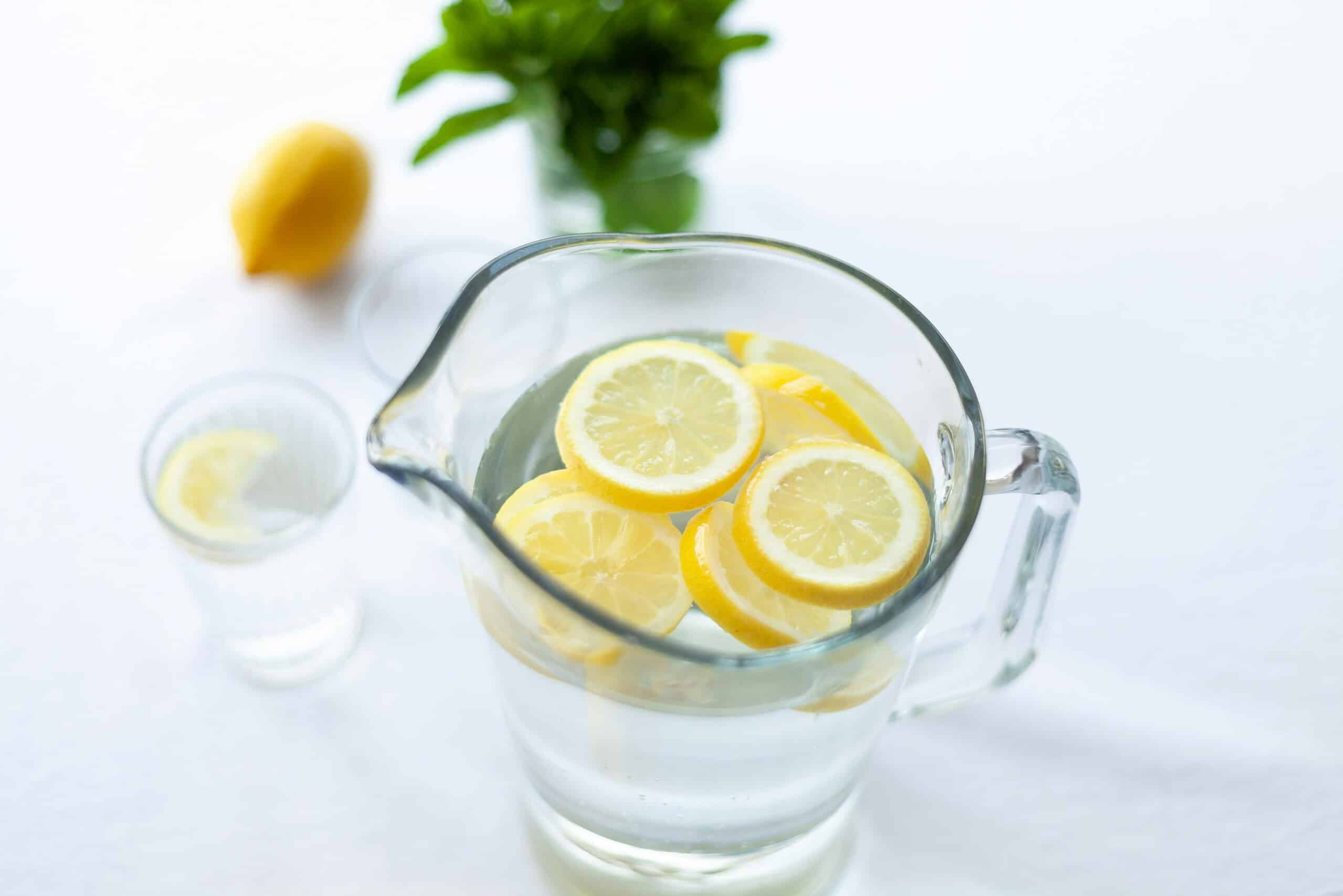
5. Avoid drinking water with meals – drinking water during and directly after meals can actually dilute your stomach acid strength. Stomach acid is playing a key role in digesting your food, so we want to make sure it’s full capacity. It is best to avoid drinking large amounts of water at least 30 minutes before a meal and an hour after your meal. This does not mean you can’t have sips between bites, but I do encourage avoiding chugging water.
6. Gut Health Bonus Tip – Consume 1 tbs of Bragg’s Apple Cider Vinegar – you may have heard this before but 1 tbs of ACV 10-15 minutes before a meal can help increase stomach acid. You can also add it 2-6 oz of water if it’s too strong to tolerate. Despite what conventional medicine commonly claims, over 90% of Americans are hydrochloric acid deficient, which is what is contributing to the epidemic of acid reflux (or Gastric Esophageal Reflux Disorder).
Learning to listen to your body and what it’s trying to tell you is important above all else. Establishing a more restful mealtime practice can play a key role in helping you build that self- awareness.
Creating A Simple Habit For 2019
 While in the New Year, our tendency is generally to commit to lofty, unattainable goals that often us set up for failure, I challenge you to take a different approach in 2019 and begin focusing on habits that support change in all facets of your life.
Give yourself the gift of slowing down and nourishing your body and mind. You can start by doing this with better mealtime practices.
In 2019, let us all commit to being one step closer to living our lives well.
About Ali Boone
 Ali Boone is a Registered Dietitian, Nutritional Therapy Practitioner, Life Coach and Owner of Nourished Abundance.
Ali uses Nutritional Therapy and coaching to get to the root cause of the ailments you are experiencing rather than just treating the symptoms. She has worked with her clients to reverse diabetes, overcome weight loss plateaus, improve diagnosed gastrointestinal conditions, reduce blood cholesterol levels, remove digestive stressors, reduce anxiety and increase energy levels.
While most people feel they have to undergo major dietary and life restrictions in order to lose weight, be fulfilled, and feel confident again, Ali couldn’t disagree more. She believes that living a healthy lifestyle is about finding balance, managing the stressors, and creating a life full of abundance.

**Click on the photo above to get exclusive discounts on new wellness tools, be first in line for new podcasts, get access to invite-only events, and so much more.**