 Introduction
 Introduction
Walk into most gyms and you'll find endless options for training chest, legs, and back—yet equipment specifically designed for forearm and grip development remains surprisingly sparse. This oversight is unfortunate, considering that specialized tools can dramatically accelerate forearm strength gains and address weaknesses that standard exercises miss entirely. While basic barbell curls and dead hangs provide a foundation, they don't challenge your hands and forearms through the complete range of movements and resistance types needed for comprehensive development. The right equipment transforms forearm training from an afterthought into a systematic pursuit, enabling progression, variety, and targeted work that general exercises cannot replicate. Understanding which tools serve specific purposes, how to select quality options over gimmicks, and the most effective ways to integrate them into your training ensures your investment delivers genuine results rather than collecting dust in the corner.
Understanding Equipment Categories
Hand Grippers for Crushing Strength
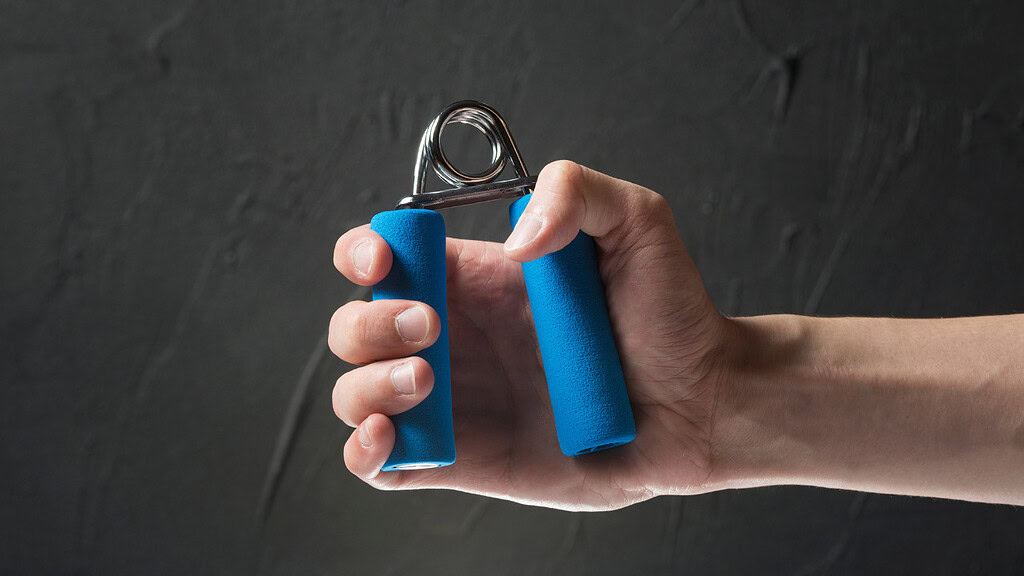
Hand grippers represent perhaps the most recognizable grip training tool, ranging from basic spring-loaded models to precisely calibrated competition-grade implements. These devices specifically target crushing grip—your ability to squeeze objects forcefully in your palm. Quality grippers use rated springs that provide consistent, measurable resistance enabling systematic progression.
The beauty of grippers lies in their simplicity and portability. No setup required, no gym membership necessary—just pick one up and squeeze. This convenience supports consistent training even during travel or busy schedules when gym access proves difficult. However, not all grippers are created equal—adjustable models with light resistance offer limited benefit compared to fixed-resistance grippers that provide serious training stimulus.
Wrist Rollers and Developers
Wrist rollers challenge forearms through sustained tension as you wind a weight up and down using only wrist movement. This exercise builds incredible forearm endurance whilst developing the wrist flexors and extensors equally. The burning sensation during extended sets teaches mental toughness alongside physical conditioning.
These tools offer scalability—simply adjust the weight attached to match your current strength level. The continuous tension throughout each repetition creates muscular stress that differs from standard curls, providing stimulus your forearms haven't experienced through other training methods.
Pinch Grip Devices
Pinching strength—holding objects between your thumb and fingers without wrapping your hand around them—proves essential for many real-world tasks yet remains undertrained in most programs. Specialized pinch blocks or pinch grip trainers isolate this capacity, building thumb strength and finger endurance that standard exercises don't adequately address.
Rock climbers particularly benefit from pinch training, though anyone seeking complete hand strength should include this often-neglected grip expression. The targeted nature of pinch work complements crushing and support grip development, creating well-rounded hand strength.
Selecting Quality Equipment
Build Quality Indicators
Quality forearm exercise equipment features robust construction with durable materials that withstand repeated heavy use. Look for steel components over plastic, solid welding or construction, and smooth operation without excessive play or looseness. Premium equipment costs more initially but lasts indefinitely with proper care.
Cheap alternatives frequently break after limited use, making them false economies. Handles that bend, springs that lose tension, or devices that develop excessive wear after minimal training waste money whilst potentially causing injury. Invest in reputable brands with proven track records rather than gambling on unknown manufacturers offering suspiciously low prices.
Adjustability and Progression Options
The best equipment allows progressive overload—gradually increasing resistance as your strength improves. Grippers with rated resistance levels enable you to purchase progressively heavier models as you advance. Adjustable wrist rollers accept different weight plates, providing years of progression potential without requiring new equipment.
Fixed-resistance tools have their place, but equipment offering adjustability provides better long-term value by accommodating your improving strength. This flexibility prevents outgrowing tools quickly whilst supporting systematic progression essential for continued gains.
Ergonomics and Comfort
Quality equipment feels comfortable in your hands despite challenging your muscles intensely. Handles with appropriate texturing provide secure grip without causing excessive discomfort or hotspots. Poorly designed tools create unnecessary pain points that distract from training and potentially cause blisters or calluses.
Test equipment when possible before purchasing. Tools that feel awkward or uncomfortable during initial use rarely improve with familiarity. Trust your first impressions regarding ergonomics—if something feels wrong, it probably is.
Essential Tools for Home Training
Starting Your Collection
New trainees needn't purchase extensive equipment immediately. Begin with one quality hand gripper matched to your current strength, a basic wrist roller (easily DIY-ed with a dowel and rope), and perhaps a pinch grip device. This minimal setup addresses all major grip types whilst remaining budget-friendly.
As training becomes consistent and you identify specific weaknesses or preferences, expand your collection strategically. Add progressively heavier grippers, invest in thick bar attachments for existing barbells, or acquire specialized implements that target particular deficiencies in your grip strength profile.
Space-Efficient Options
Home training demands equipment that doesn't occupy excessive space. Fortunately, most grip tools are remarkably compact. Hand grippers fit in drawers, wrist rollers hang on walls, and even comprehensive collections occupy minimal storage space compared to standard gym equipment.
This space efficiency makes forearm training accessible even in small apartments or crowded homes where larger equipment proves impractical. You can maintain serious training without converting entire rooms into home gyms.
Training Strategies with Specialized Equipment
Structuring Equipment-Based Workouts
Effective equipment use requires structure beyond random squeezing or rolling. Design sessions targeting specific capacities—perhaps crushing grip one day, pinch and wrist work another. This specialization allows adequate recovery for each muscle group whilst maintaining frequent overall training.
Rotate tools throughout training blocks to prevent adaptation and staleness. Spending 4-6 weeks emphasizing one tool before shifting focus provides sufficient stimulus for gains whilst maintaining variety that keeps training engaging and effective.
Combining Tools with Barbell Training
Specialized equipment complements rather than replaces compound exercises. Heavy deadlifts, rows, and pull-ups build foundational strength, whilst targeted tool work addresses weaknesses and pushes development beyond what compound movements alone achieve.
Schedule equipment-specific work at workout conclusions when grip is pre-fatigued. This timing maximizes efficiency—your forearms are already activated from compound lifts, making specialized work even more effective whilst preventing grip fatigue from compromising main exercises.
Maintaining Your Equipment
Proper Care Extends Lifespan
Quality equipment lasts decades with appropriate care. Keep metal components clean and occasionally lubricate moving parts to prevent rust and ensure smooth operation. Store equipment in dry locations rather than damp basements or garages where moisture accelerates corrosion.
Inspect equipment periodically for wear signs—fraying cables, weakening springs, or developing cracks. Addressing minor issues promptly prevents catastrophic failures during use that could cause injury alongside equipment loss.
When to Upgrade or Replace
Equipment truly wears out eventually—springs lose tension, handles smooth despite careful maintenance, or components fail after years of hard use. Recognize when tools no longer provide appropriate resistance or pose safety concerns requiring replacement.
Upgrading to better equipment as your commitment and budget grow makes sense even when existing tools remain functional. Higher-quality implements often provide superior training experiences that justify their premium pricing through enhanced effectiveness and enjoyment.
FAQ Section
How much should I spend on grip equipment?
Quality hand grippers cost $20-40 each, wrist rollers range $30-60, and comprehensive starter sets run $100-200. These investments last years or decades with proper care, making them economical compared to ongoing gym memberships. Start modestly and expand based on your commitment and budget.
Can I build strong forearms without buying equipment?
Yes—dead hangs, towel hangs, thick bar work with towel wraps, and farmer's carries using dumbbells build considerable grip strength. However, specialized equipment enables more targeted training, precise progression, and exercise variety that accelerates development and addresses specific weaknesses more effectively.
What's the most versatile piece of grip equipment?
Adjustable hand grippers or a quality wrist roller provide excellent versatility for the investment. These tools address multiple training needs whilst accommodating progressive overload as strength improves, offering years of productive use before requiring upgrades.
Do expensive brands really perform better than budget options?
Generally yes—premium brands use better materials, more precise manufacturing, and proven designs that enhance both effectiveness and longevity. Budget equipment frequently fails prematurely or provides inconsistent resistance that hampers progression. Quality tools justify their cost through superior performance and durability.
How often should I replace grip training equipment?
Quality equipment lasts many years—often a decade or more with appropriate care. Replace items when they show significant wear, lose resistance calibration, or develop safety concerns. Proper maintenance and storage dramatically extend equipment lifespan, making replacement infrequent for well-made tools.
Conclusion
Specialized equipment transforms forearm and grip training from limited exercises using improvised methods into systematic development programs that deliver exceptional results. Understanding which tools address specific capacities—crushing grip, pinch strength, wrist development, and support endurance—enables strategic equipment selection that maximizes training effectiveness per dollar invested. Quality matters tremendously in grip equipment, with well-constructed tools lasting years whilst budget alternatives frequently disappoint through premature failure or inconsistent performance. Start with essential basics matched to your current strength level and training goals, expanding your collection as experience reveals specific needs and preferences. Proper integration of specialized tools with compound exercises creates comprehensive programs where targeted equipment work enhances foundational strength built through general training. Whether pursuing athletic performance, functional strength, or simply the satisfaction of developing impressive forearms, the right equipment provides training options that bodyweight exercises and standard gym implements cannot fully replicate, making these specialized tools valuable investments for serious trainees.