 Muscle-building meals typically include chicken, beef and other readily available meats. If your diet is vegetarian, you may focus on tofu and scrambled eggs. As health and environmental awareness grow, some are looking to sturgeon for their macronutrients. Is caviar a good source of protein? Here’s what to know about how it benefits your strength training goals.
Defining Caviar
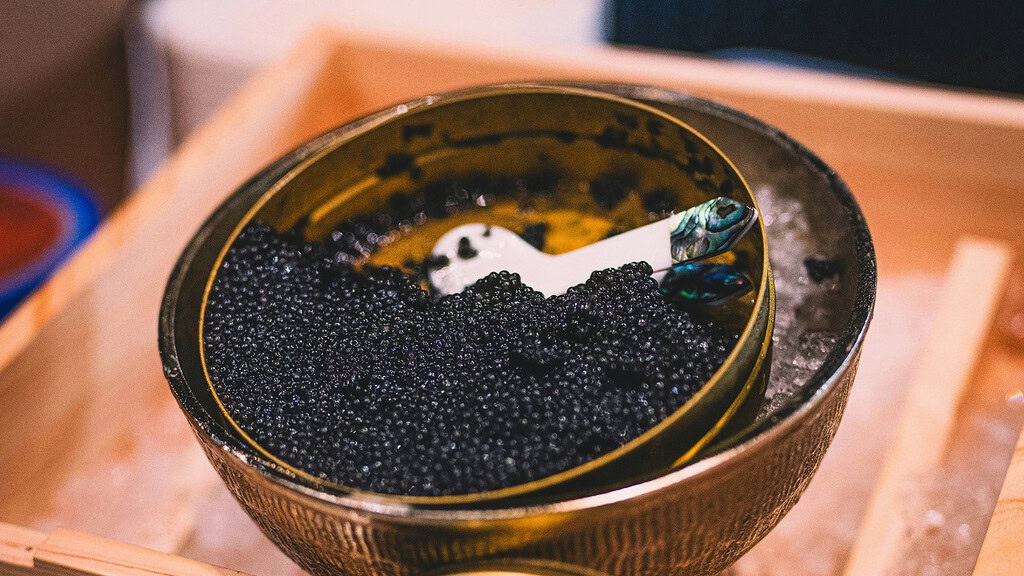
Caviar is fish eggs from sturgeon and is a delicacy worldwide. The dish must come from one of the 28 sturgeon types instead of salmon and trout. While delicious and desirable, it can get pricey. People buy it for $1,000 or more per ounce, so it’s among the most expensive protein sources.
Is Caviar a Good Source of Protein?
Caviar is a food that comes from fish, though it’s considered a nonmeat delicacy. Still, it’s a good source of protein. Experts say it has nearly 7 grams of protein and 71 calories per serving. You can use sturgeon roe to build muscle because it contains all nine essential amino acids, such as valine and lysine. These protein building blocks help your body repair and grow tissues after your workouts.
Comparing Caviar to Other Protein Sources
Athletes and fitness enthusiasts rely on protein to build muscles and remain competitive. Dairy, lean meat and plant-based options are the norm for meals throughout the day. Here’s a comparison of caviar to other good sources of protein.
| Caviar | Chicken breast | Lean beef | Eggs | |
| Protein per serving | 7g | 26g | 24g | 6g |
| Amino acid profile | All nine | All nine | All nine | All nine |
| Calories per serving | 71 | 165 | 154 | 72 |
| Fat content | 5g | 6.2g | 5.6g | 5g |
Caviar’s Muscle-Building Profile Beyond Protein
While protein is essential to building muscle, other factors are just as important. Here are five other considerations when determining whether caviar is a good source of protein.
1. Micronutrients
Your diet may focus on protein and carbs, though the micronutrients are also important. Caviar contains 3.2 micrograms of vitamin B12, which is essential for building muscle. This vitamin gives oxygen to your muscles and assists with energy production. If you just had a long, hard workout, it could help your recovery efforts.
Iron is another critical micronutrient found in caviar. One tablespoon provides about 2 mg, about 25% of the daily recommended serving for men. The same serving gives women over 10% of the iron needed for healthy blood. Healthy iron levels mean your body can deliver enough oxygen to muscles during exercise.
2. Healthy Fats
While some wellness enthusiasts embrace fats, others limit their intake. Caviar stands out because of its omega-3 fatty acids, which help your heart health and cholesterol. Additional benefits include improved mood and memory by protecting your brain cells. These macronutrients are even more important for healthy pregnancies and infant development.
Caviar benefits your health journey because most of its fats are unsaturated, including omega-3 fatty acids. A 100-gram serving contains 12g of unsaturated fats and just over 4g of saturated fat. These nutrients are integral to your circulatory and immune systems, which help you during exercise. Consider caviar as one of your daily snacks to reach your fitness goals.
3. Anti-Inflammatory Properties
Healthy fats go the extra mile for your heart health and cognitive function. Omega-3 fatty acids in caviar are essential due to eicosapentaenoic acid (EPA) and docosahexaenoic acid (DHA). These nutrients contain anti-inflammatory and cardioprotective properties, making sturgeon roe beneficial for muscle-building practices. Caviar could be a cheat code for reducing inflammation after workouts.
Intense exercise and resistance training cause microscopic tears and inflammation in your body. While inflammatory responses are normal, you should have short recovery periods before your next workout. Omega-3 fatty acids are essential because they regulate your inflammatory pathways and reduce chronic swelling. Therefore, caviar may be beneficial for muscle soreness and resting periods.
4. Digestibility
Healthy food should be easy to eat, especially if you have a sensitive stomach. Digestibility matters because your body needs easily broken-down proteins to help absorb amino acids. Caviar makes the job easier for your body by assisting neuron development and bile production. Experts say 30% of caviar servings contain digestible protein, which helps your muscle-building needs.
Protein absorption is critical for repairing and growing muscles. Once you eat, the nutrients should be readily available in your bloodstream to optimize muscle protein synthesis. An easily digestible food will prepare the amino acids for the muscle-building processes. You also benefit from waste reduction, as poorly digestible foods will pass through your body unused.
5. Testosterone
Testosterone is a crucial muscle-building component for men and women. Experts say adequate levels help muscle growth because they generate proteins and strength. Numerous factors affect your testosterone levels, including your genetics and age. Caviar’s unique nutrient profile could contribute to bigger muscles and healthy hormone production.
Caviar’s testosterone assistance comes from the healthy fats. A 2024 Current Developments in Nutrition study said omega-3 fatty acids increased serum testosterone levels in older males. While lean sources were more effective at increasing production, fatty fish also increased T-levels. Other contributing factors include caviar’s vitamin D, zinc and selenium.
The Challenges of Caviar for Muscle-Building
Caviar's underrated nutritional profile is tailored to muscle-building. However, incorporating it into your diet may be challenging. Here are five considerations for this delicacy.
- Serving size: Experts say a serving of caviar is up to 1 ounce because it’s an appetizer. Roe may be better as a snack.
- Cost: Caviar requires some farmers to wait 10 years for fish to mature, making the dish more expensive for consumers.
- Taste: The acquired taste and texture may suit some more than others, thus limiting its practicality.
- Cholesterol: Wellness enthusiasts should be mindful of the cholesterol content, especially those with sensitivities.
- Availability: Caviar may be less available than other proteins like chicken and eggs.
Determining Whether Caviar Is a Good Source of Protein
Amino acids, digestibility and nutrients make caviar a solid protein source. It compares well to chicken, beef and other conventional foods. However, you should consider it a protein-rich snack instead of a main course. Overeating could be expensive and adverse to your health, especially if it’s overly salty. Keep your caviar consumption healthy by eating it in small portions with crackers or eggs. Consider it a reward for hitting your muscle-building goals.