
 In sports, we often celebrate physical strength, speed, and endurance. Muscles, stamina, and technique dominate conversations about athletic performance. Yet beneath every precise movement and split-second decision lies a complex biological system working tirelessly—the brain. Some sports place such intense demands on attention, perception, and self-regulation that they end up training the brain as much as, or sometimes more than, the body. Understanding the biology of focus reveals why these activities shape cognitive skills that extend far beyond the playing field.
Focus Is a Biological Skill, Not Just Willpower
Focus is often mistaken for a personality trait or a matter of discipline. In reality, it is a biological function governed by interconnected brain networks. The prefrontal cortex plays a central role in attention control, decision-making, and impulse regulation. Meanwhile, deeper structures such as the basal ganglia help automate repeated actions, and the cerebellum fine-tunes timing and coordination.
When a sport requires sustained concentration, rapid adjustments, and emotional control, these neural systems are repeatedly activated. Over time, this leads to neuroplastic changes—the brain strengthens frequently used pathways while pruning inefficient ones. This is why certain sports feel mentally exhausting even when they are not physically intense. The brain is doing heavy work.
The Attention Loop: Perception, Decision, Action
Sports that train the brain emphasize a continuous attention loop: perceiving the environment, deciding on a response, and executing an action. This loop happens in milliseconds but involves complex neural communication.
Visual and auditory processing regions interpret incoming stimuli. The brain then predicts outcomes, evaluates risk, and selects the most effective response. Finally, motor regions execute movement while sensory feedback updates the system in real time. Sports that constantly challenge this loop force the brain to stay flexible and alert.
Unlike repetitive physical exercises, these activities rarely allow the mind to go on autopilot. Each moment demands awareness, making them powerful tools for sharpening focus and mental endurance.
Neurochemistry and Deep Concentration
At the chemical level, focus is influenced by neurotransmitters such as dopamine, norepinephrine, and acetylcholine. These chemicals regulate motivation, alertness, and learning. Sports that balance challenge and skill tend to trigger optimal neurotransmitter release, often described as being “in the zone.”
This state, known as flow, occurs when the brain is fully immersed in a task. The prefrontal cortex temporarily quiets unnecessary self-talk, while attention networks synchronize efficiently. Activities that frequently induce this state can improve the brain’s ability to enter focused modes more easily over time.
Precision Sports and Cognitive Demand
Precision-based sports are especially effective at training the brain. They demand controlled breathing, steady attention, and fine motor coordination. Small mental errors can lead to noticeable performance changes, reinforcing the importance of concentration.
For example, disciplines that require aiming, timing, and patience activate both attentional and emotional regulation systems. Learning to manage frustration, reset after mistakes, and maintain consistency strengthens neural circuits associated with self-control. Over time, these skills generalize to everyday situations that require calm focus under pressure.
This is why many people find that activities involving targeting, balance, or accuracy feel mentally transformative, even if they appear physically simple from the outside.
Balance, Risk, and the Brain’s Prediction System
Sports involving balance and controlled risk place unique demands on the brain’s prediction systems. The vestibular system, responsible for balance and spatial orientation, works closely with visual and motor areas to anticipate movement outcomes.
When balance is challenged, the brain must constantly update internal models of the body in space. This sharpens proprioception—the sense of where your body is and how it’s moving. The result is improved reaction time, spatial awareness, and adaptability.
This is one reason why activities like skateboarding for beginners can feel mentally intense. Each attempt requires reading the environment, predicting motion, and adjusting posture instantly. The brain learns to process uncertainty more efficiently, a skill that translates well to complex problem-solving situations.
Stress Regulation and Mental Resilience
Focus-heavy sports also train the brain’s response to stress. When faced with pressure, the amygdala triggers a stress response that can either sharpen attention or overwhelm it. Through repeated exposure to manageable stress, athletes learn to regulate this response.
Breathing techniques, mental rehearsal, and routine all help keep the nervous system balanced. Over time, the brain becomes better at staying engaged without tipping into anxiety. This improved stress regulation is linked to enhanced focus, better emotional control, and increased resilience.
Sports that require calm execution under observation or competition conditions are particularly effective at strengthening this mental skill set.
Learning Curves and Neural Efficiency
Another key factor is how sports structure learning. Activities with clear feedback loops—where success or failure is immediately noticeable—accelerate neural efficiency. The brain quickly learns which patterns lead to desired outcomes and adjusts accordingly.
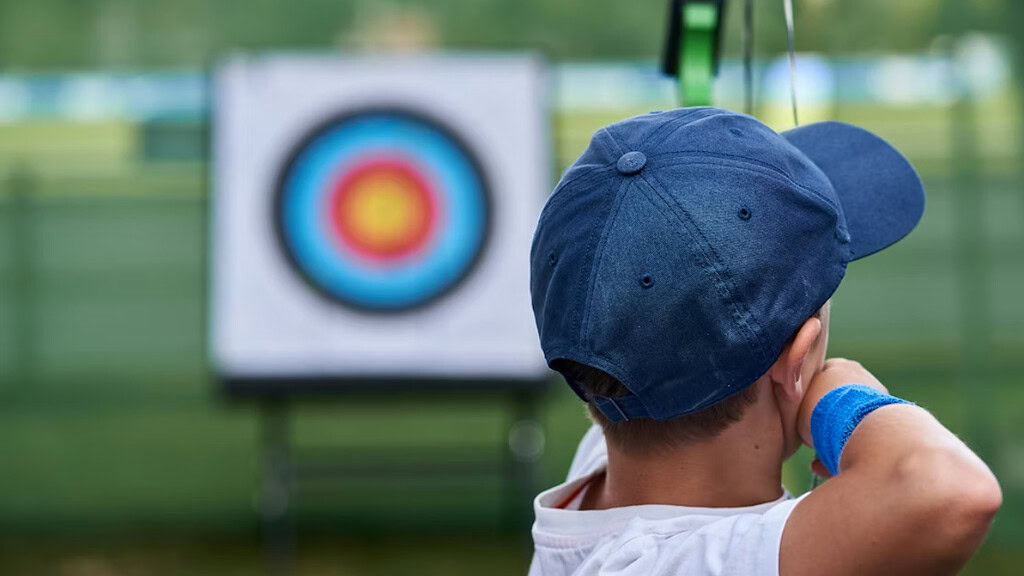
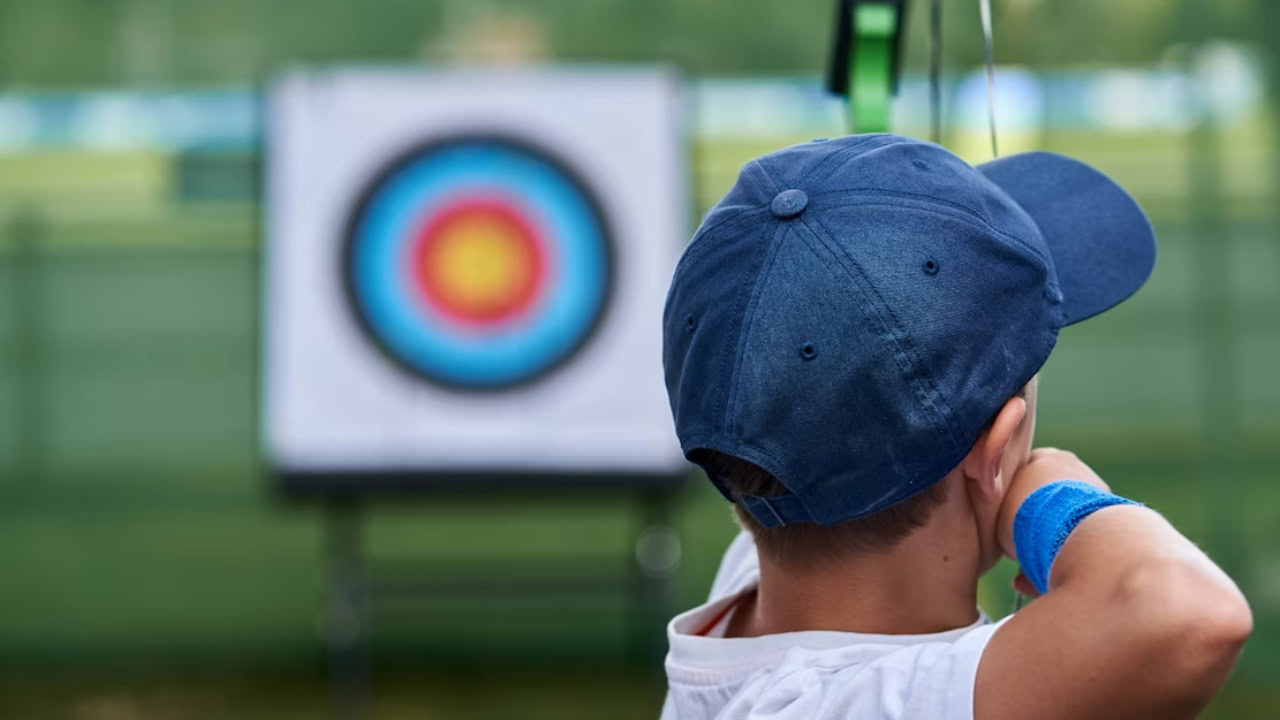
This is why guided practice matters. Structured archery lessons, for instance, emphasize repetition with mindful attention. Each shot provides feedback, allowing the brain to refine motor plans and attentional strategies. Over time, movements become more efficient, freeing cognitive resources for higher-level focus.
This process illustrates how deliberate practice doesn’t just build muscle memory; it rewires attention networks to operate with less wasted effort.
Transfer of Focus Beyond Sports
The most compelling aspect of brain-focused sports is how their benefits transfer to daily life. Improved attention control can enhance productivity, learning, and emotional regulation. Athletes often report better patience, clearer thinking, and improved decision-making off the field.
This transfer occurs because the underlying neural mechanisms are the same. Whether you are aiming at a target, maintaining balance, or solving a complex problem, the brain relies on similar attention and prediction systems. Training them in a dynamic, engaging environment makes them more robust.
Why Not All Sports Train Focus Equally
While all physical activity benefits brain health, not all sports challenge focus to the same degree. Highly repetitive or externally guided activities may allow attention to drift. In contrast, sports that demand constant awareness, adaptation, and self-regulation keep the brain actively engaged.
This doesn’t mean one type of sport is superior, but rather that different activities emphasize different neural skills. Understanding this helps individuals choose sports that align with their cognitive goals, whether that’s stress relief, focus enhancement, or emotional balance.
The Brain as the Primary Athlete
Ultimately, the biology of focus reminds us that the brain is the primary athlete behind every movement. Muscles execute, but the brain plans, predicts, and refines. Sports that challenge attention, balance, precision, and emotional control serve as powerful training grounds for cognitive performance.
By engaging deeply with these activities, individuals don’t just become better athletes—they cultivate sharper focus, stronger mental resilience, and a brain that adapts efficiently to complexity. In a world full of distractions, that may be one of the most valuable forms of training available.