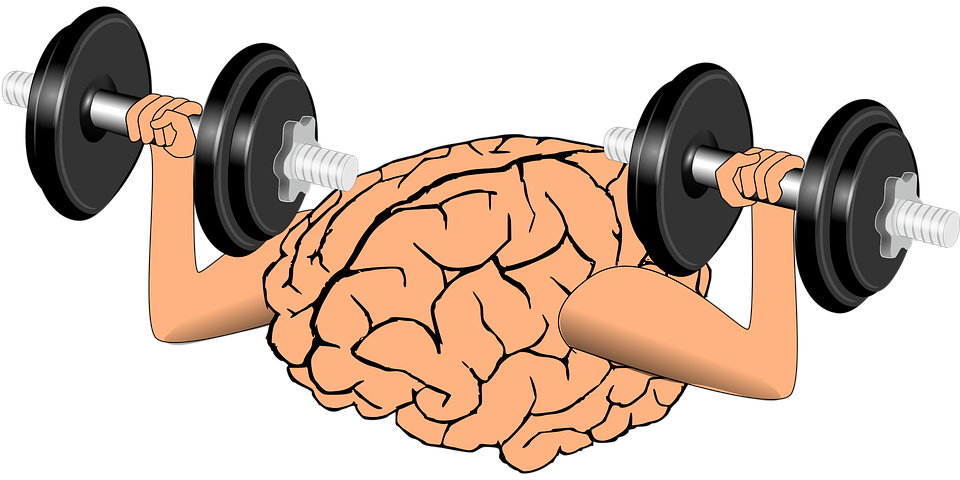
It’s not only about endurance and the size of muscles. Yes, exercise can enhance your physical health and figure, slim your waistline, increase your sexual life and increase the longevity of your life. However, that’s not the reason that drives most people to keep active.
The people who regularly exercise for a reason give an immense sense of happiness. They feel more energized during their days, have more explicit memories, and are more relaxed at night and confident about their lives and the surrounding people. It’s also an effective treatment for mental health problems.
Mental Health Benefits of Exercise
 Regular exercise can significantly positively affect anxiety, depression, and ADHD. It reduces stress, boosts the brain, makes it easier to sleep better, and improves mood. You don’t need to be an avid exerciser to benefit from the exercise. Research suggests that even a small amount of exercising can significantly affect. Whatever your physical condition or age, you can make exercise a potent instrument to combat mental health issues. However, you must look for the best gym equipment for exercising to boost your mood and energy levels and enjoy more peacefulness.
Exercise and depression
Research has shown that exercising can treat moderate to mild depression with the same effect as antidepressant medications but without the negative side adverse effects. Of course. For instance, the latest study by researchers at the Harvard T.H. Chan School of Public Health discovered that exercising for 15 minutes every day or walking for an hour lowers the chance of developing major depression by 26 percent. Alongside easing the symptoms of depression, a study shows that a routine of exercise can stop you from relapsing.
Using the right exercise equipment for weight loss is potent against depression. It encourages the development of many changes in the brain, such as neuronal growth, decreased inflammation, and the creation of new patterns of activity that create a sense of relaxation and peace. Also, it releases endorphins which are powerful brain chemicals that boost your mood and help you feel happy. In addition, exercise can be a way to distract yourself and allow you to have the time to be in a quiet space and free yourself from the cycle of negative thoughts which feed depression.
Exercise and Anxiety
Exercise is a safe and effective treatment for anxiety. It eases stress and tension, increases physical and mental vitality, and improves overall well-being by releasing endorphins. Anything that keeps you moving will help; however, you’ll reap more significant benefits if you are attentive instead of shutting off.
 Note your feet are striking the floor, for example, the breath’s rhythm or the feel of the air over your body. Suppose you incorporate this mindfulness aspect–paying attention to your body and how it feels while exercising. In that case, you’ll boost your physical fitness more efficiently, but you could also be able to stop the stream of thoughts going through your mind.
Exercise and Stress
Have you ever observed how your body reacts when you’re stressed? The muscles could be tight and tight, particularly around your neck, face, and shoulders. This can cause neck or back pain or uncomfortable headaches. There may be a feeling of chest tightness or a fast pulse and muscle cramps. It is also possible to experience issues like insomnia, heartburn or stomachache, diarrhea, or frequent urine leaks. The physical manifestations of anxiety and discomfort could create stress, creating a vicious loop between your brain and body.
Exercise is a great way to break the cycle. Besides the release of endorphins into the brain, physical exercise can help to relax muscles and ease tension in the body. Since the mind and the body are inextricably connected, when your body feels better.
Exercise and ADHD
 Regular exercise is one of the most efficient and simple ways to decrease the effects of ADHD and increase concentration and motivation, memory, and mood. Exercise immediately increases the brain’s dopamine, norepinephrine, and serotonin levels, influencing attention and focus. Activity, in this manner, is like ADHD medications like Ritalin or Adderall.
Exercise, PTSD, and Trauma
Research suggests that by focusing on your body and how it feels when you exercise, you may assist your nervous system is becoming “unstuck” and break free of the stress-related immobilization that is the hallmark of PTSD as trauma. Do not allow your thoughts to drift; you should focus on the physical sensations you experience in your muscles and joints and even your internal organs as you move your body. Exercises that require cross-motion and involve both legs and arms, such as running (especially with sand) and swimming, running and weight training, and dancing, are among your top options.
Outdoor activities such as sailing, hiking, mountain biking, rock climbs, whitewater rafting, and skiing (downhill and cross-country) have been proven to decrease the signs of PTSD.
Additional Advantages of Exercising to Boost The Brain
 Even if you’re not experiencing an illness of the mind, regular exercise can provide a pleasant lift to mood and mental well-being, boosting your brain.
Exercise can be beneficial in providing:
Sharper memory and better thinking.
The same endorphins that help you feel more relaxed can also aid in focusing and make you feel more alert to complete the task at hand. Exercise can also boost the development of brain cells that are new and aids in preventing age-related decline.
Sleep better.
Even brief bouts of exercise, either in the morning or afternoon, could help control your sleeping patterns. If you like exercising in the evening, relaxing activities like stretching or yoga can help you get to sleep.
Higher self-esteem.
 Regular exercise will help you invest in your body, mind, and soul. If it’s a routine, it will increase your confidence and help you feel confident and confident. You’ll feel more confident about yourself and achieve goals.
Increased energy.
Increasing your heart rate a few times throughout the week will help you feel more energy to get up and go. Begin by doing a couple of minutes of exercise each day, then increase your training until you feel more motivated.
Stronger resilience.
When you face emotional or mental challenges in life, exercises will help you build your strength and healthily deal with stress instead of turning to drugs, alcohol, or other destructive actions that will only worsen the symptoms. Regular exercise can improve your immune system and decrease the effect of stress.
Final Words
 It’s unnecessary to invest long hours in the fitness center or put yourself through boring, long-lasting workouts to enjoy the many advantages of exercising. These suggestions can assist you in finding activities you want, and you’ll feel healthier, look better and enjoy more enjoyment in your life.