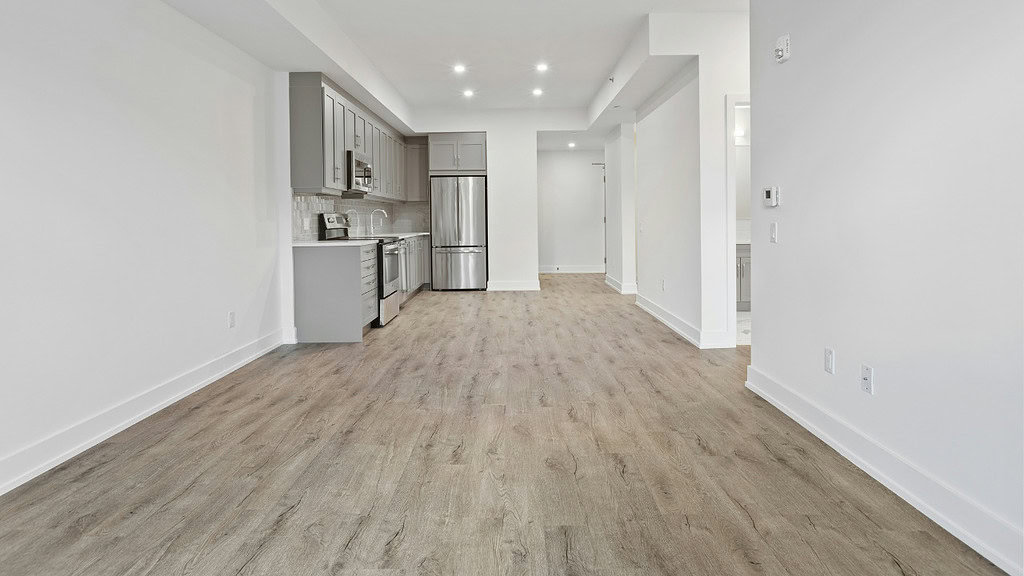
 When choosing flooring for your home, you want something that will look good, be durable, and be able to withstand daily use. Is laminate flooring waterproof? This is one of the most common inquiries. Let's clarify what laminate is, how it reacts to water, and when using something else would be more effective.
Laminate Flooring: What Is It?
Laminate flooring is made up of several layers. The very top is the wear layer, typically melamine or acrylic in composition. It is scratch and stain resistant. Then there is the decorative layer, which is the one that provides laminate with its wood or stone look.
Then there is an overlay layer offering additional clarity and protection, and under that the core layer, usually high density fibreboard (HDF) or medium density fibreboard (MDF). The bottom layer, known as the backer layer, protects the core from dampness. Some laminates contain an additional moisture barrier. All good so far. Laminate is well designed. But is it waterproof?
Water-Resistant vs. Waterproof
This is the difference you must know. Most products are water-resistant. This suggests that they can withstand brief exposure to water or splashes. But waterproof is not the same as water-resistant. The term “waterproof” describes a material's ability to tolerate prolonged or intense exposure to water without suffering harm. Although laminate is not exactly watertight, it is usually in the water-resistant fold.
The Reasons Laminate Floors aren't Completely Waterproof
The prime offender is the core product, HDF or MDF. These wood products expand, warp or buckle when moisture enters them. Although the wear layer and overlay provide resistance against spills, if water penetrates beyond those layers or into joints between boards the laminate is exposed.
Moreover, laminate cannot be refinished in the same way as solid wood; if moisture damage takes place you will probably need to replace the affected boards.
Also, the way that boards interlock matters. Some laminates have “click-fit” or locking systems, which can help reduce water ingress at seams. But no locking system makes laminate perfectly impervious to water.
Is Laminate Suitable for Bathrooms or Kitchens?
In most cases you will find that laminate is fine for kitchens or utility rooms if you are diligent. Immediate clean-ups of spills, good sealing of edges and ensuring moisture does not linger will help. But bathrooms are riskier. Steaming, standing water, and frequent splashes will test laminate severely. If possible, it is better to choose a different material in areas constantly exposed to moisture.
Best Waterproof Alternatives
If waterproof performance is essential then Luxury Vinyl Tile (LVT) or vinyl flooring are strong alternatives. These are made from synthetic materials such as PVC, SPC or WPC and have cores which do not absorb water. They look very convincing, many mimic wood or stone very well, and perform much better in wet rooms.
Conclusion
Laminate flooring is attractive, affordable and relatively easy to maintain. But it is not fully waterproof. It is water-resistant to some extent but will suffer if water exposure is frequent, sustained or neglected. If you require flooring for a bathroom, wet room or any area prone to moisture then invest in something truly waterproof such as LVT. In the long term that might save you money, stress and the inconvenience of replacing damaged boards.