
 Dementia is a condition that causes a gradual decline in various cognitive abilities, including social skills. One of the most difficult challenges for people with dementia is the impact it has on their ability to interact with people around them.
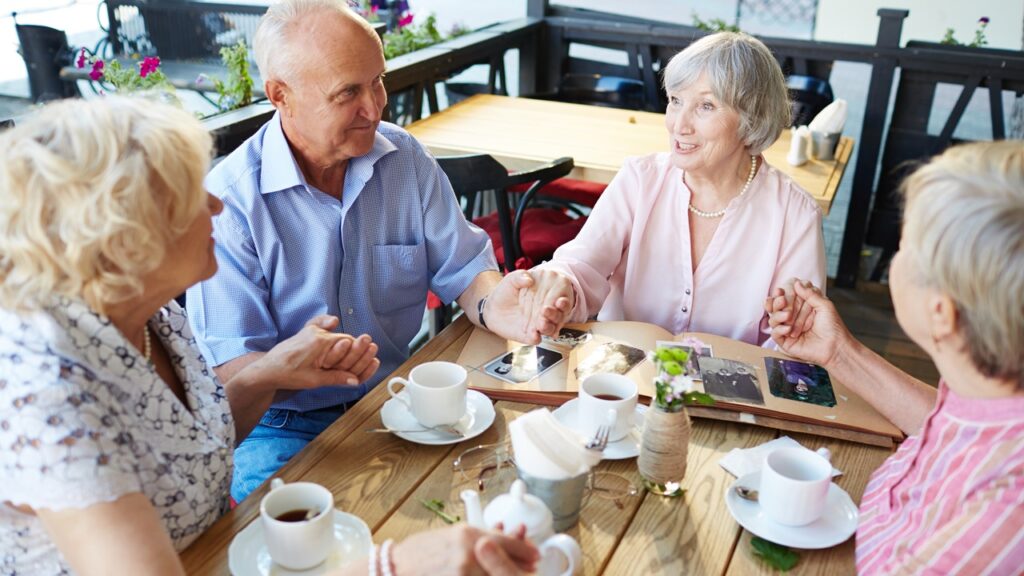
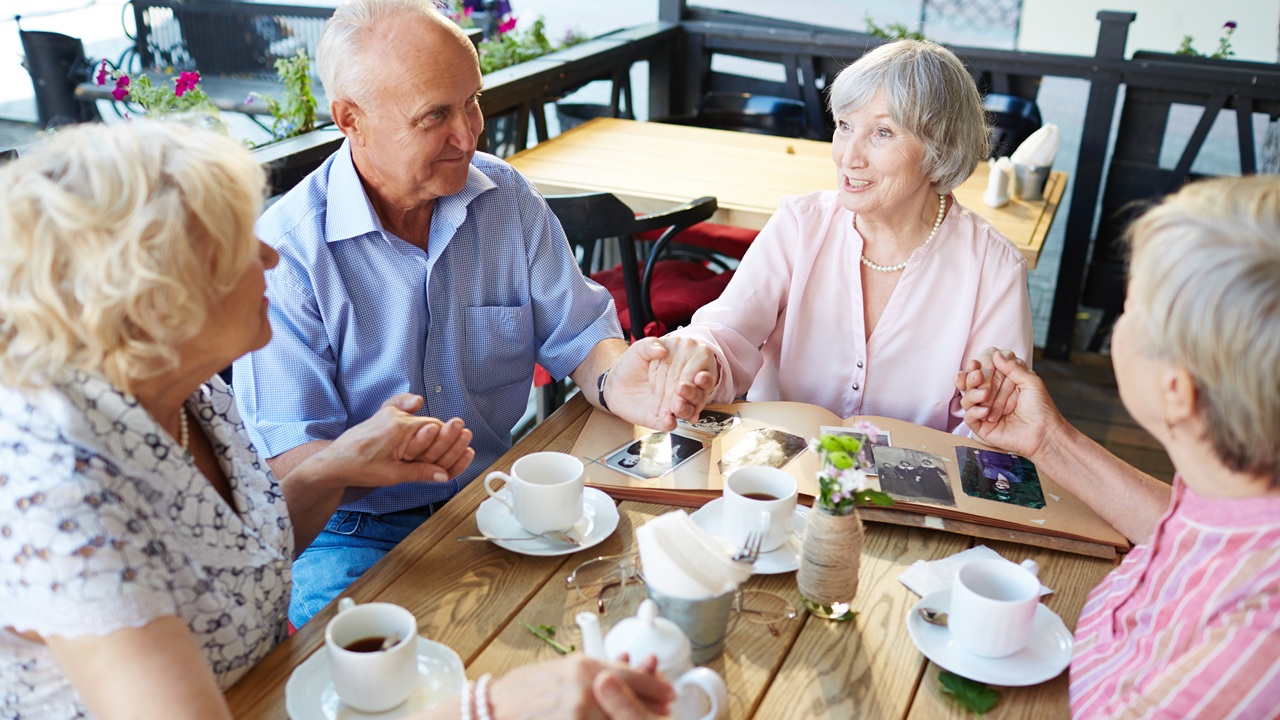
Socialization plays an important role in enhancing the quality of life for affected people. Therefore, understanding its importance can help family members and caregivers provide the best care for them.
How dementia affects social abilities
Dementia affects a person's cognitive function, which can result in reduced socialization ability. However, the extent to which it impacts a person may depend on the stage of dementia.
One of the most common reasons for this is memory loss. As the condition advances, people may forget their loved ones, recent conversations, and social events, leading to a reduced social life.
Language difficulties such as aphasia and dementia are another cause of their affected social life. The communication disorder impairs their ability to speak, understand, read, or write. They often struggle to find the right words and speak in incomplete sentences.
Additionally, people with dementia go through changes in personality and behavior, leading to social withdrawal. They might behave inappropriately in social settings and show less interest. All these changes make it difficult for them to maintain relationships and stay connected with each other.
Benefits of socialization for people with dementia
There are numerous benefits of socialization to individuals with dementia. While dementia affects a person's social abilities, regular interactions with people around them can slow cognitive decline and boost their mental health.
-
Emotional support
Affected people often experience feelings of isolation and loneliness, and socialization provides them with opportunities to connect with others. This lets them share their thoughts and feelings and helps them receive emotional support.
When they feel understood and supported, their mental health starts to improve, and they experience positive emotions. Family members and caregivers can provide vital companionship, helping them feel loved and valued.
-
Improve cognitive health
Interacting with people and engaging in conversations stimulates the brain, which can help maintain cognitive functions. Regular social interactions challenge their memory, attention, and reasoning abilities, helping to slow the cognitive decline.
It also helps them recall things when prompted by others. These cognitive exercises contribute to their improved functioning and can help them retain a sense of connection to others.
-
Reduction in behavioral symptoms
Socialization can help reduce some behavioral symptoms associated with dementia, such as aggression, agitation, or wandering.
People show these behaviors due to frustration, boredom, or confusion, and when they socialize with others, it lets them engage in activities that they enjoy. This leads to them showing fewer challenging behaviors.
-
Increased sense of purpose
Maintaining a sense of purpose is crucial for affected people. Social activities provide them with opportunities to feel valued, which boosts their self-esteem. Whether it's a group activity or simply a conversation, socialization helps them to maintain their dignity and self-worth.
This sense of purpose gives them the motivation and empowerment to feel more engaged and connected to their surroundings.
-
Communication skills
Although communication is a challenge for people with aphasia in dementia, regular social interactions let them practice and maintain communication skills.
Engaging in activities like group discussions can encourage them to express themselves. Over time, these interactions can help preserve some level of communication.
-
Physical health benefits
Socialization is helpful not only for mental and emotional health but also for physical well-being. Going for outings or engaging in group games involves movement, whether it's walking or exercising.
These activities promote physical health by increasing mobility and improving balance. It also helps reduce stress, which has positive effects on their heart health and overall well-being.
Socialization strategies for people with dementia
While socialization is essential for people with dementia, it is important to approach it with sensitivity and understanding.
-
Create a routine
As a caregiver, you can help them by making a consistent schedule for social activities like family visits, outings, or group activities. This will make them feel more comfortable in social settings.
-
Encourage group activities
Try to keep them engaged in activities like arts and crafts, music therapy, or simple games to encourage socialization in an enjoyable environment.
-
Use nonverbal communication
It's important to recognize that dementia vs aphasia impact communication, but it can be tackled through thoughtful care.
If verbal communication becomes challenging, encourage them to use nonverbal communication, such as facial expressions, hand gestures, or body language.
-
Be patient and supportive
Social interactions may take longer for some people. Not everyone will be comfortable interacting with others too quickly. Therefore, be patient and avoid interrupting them. Let them express themselves at their own pace.
-
Create a safe environment
Ensure that social spaces are familiar, comfortable, and free from distractions. A safe and calming environment will promote better communication and reduce feelings of stress or anxiety.
Conclusion
Socialization plays a key role in the overall well-being of people with dementia. It provides cognitive, emotional, and social benefits that help improve the quality of life and slow the progression of the disease. By prioritizing socialization and offering supportive environments, caregivers and family members can make a significant difference in people's lives.