
 Halfway houses, also called sober living facilities or transitional homes, provide supervised transitional housing for individuals overcoming:
- Incarceration
- Addiction treatment
- Homelessness
- Other disruptive life situations
These residential programs aim to facilitate successful community reintegration through comprehensive supportive services that foster self-sufficiency.
What Do Halfway Houses Provide?
In a halfway house, residents are provided with a safe and structured environment where they can work on rebuilding their lives. The environment balances independence with structure, accountability, and peer support.
Halfway homes typically provide shelter, along with programs covering:
- Counseling
- Life skills development
- Job training
- Healthcare access
- Mutual aid groups
The length of stay in a halfway house varies depending on the individual's needs and goals.
Why Transition Supports Matter
The transition toward fully independent living poses significant relapse risks and isolation for those overcoming addiction or readjusting after institutionalization. Halfway houses are critical in mitigating these risks.
Here's why it matters:
Prevents Relapse
The period following treatment is often when individuals are most vulnerable to relapse. Transition support provides the necessary resources and coping strategies to deal with triggers and stressors in a healthy way.
Addresses Isolation
Many individuals recovering from addiction feel isolated due to changes in their social circles and lifestyle. Transition support helps combat this isolation through community building and peer support, offering a network of understanding and empathy. Outpatient counseling, mentorships, and sponsorships ensure continued professional support.
Builds Life Skills
Recovery is more than abstaining from substances; it's about building a fulfilling life. Transition support often includes life skills training, such as financial management, job readiness, and healthy relationship building, which are essential for independent living.
Ensures Continuity of Care
Transitioning from a structured treatment environment to the outside world can be challenging. Transition support ensures that individuals continue to receive the counseling and medical care they need to maintain their sobriety.
Empowers Individuals
By providing the tools and resources for individuals to manage their recovery, transition support empowers them to take control of their lives, make positive decisions, and build a future that aligns with their goals and values.
The Many Benefits of Halfway Homes
Halfway homes offer a crucial stepping stone for individuals transitioning from addiction treatment facilities or incarceration back into society.
These homes provide a supportive and structured environment that bridges the gap between intensive care and full independence.
Here are some of the key benefits of halfway homes:
- Structured Support: Residents benefit from a structured environment that helps maintain the discipline and routine they learned in treatment.
- Reduced Relapse Risk: By offering a stable living situation and ongoing support, halfway homes can significantly reduce the risk of relapse during the critical early stages of recovery.
- Life Skills Development: Residents have the opportunity to develop practical life skills, including financial management, job readiness, and household responsibilities, which are essential for successful independence.
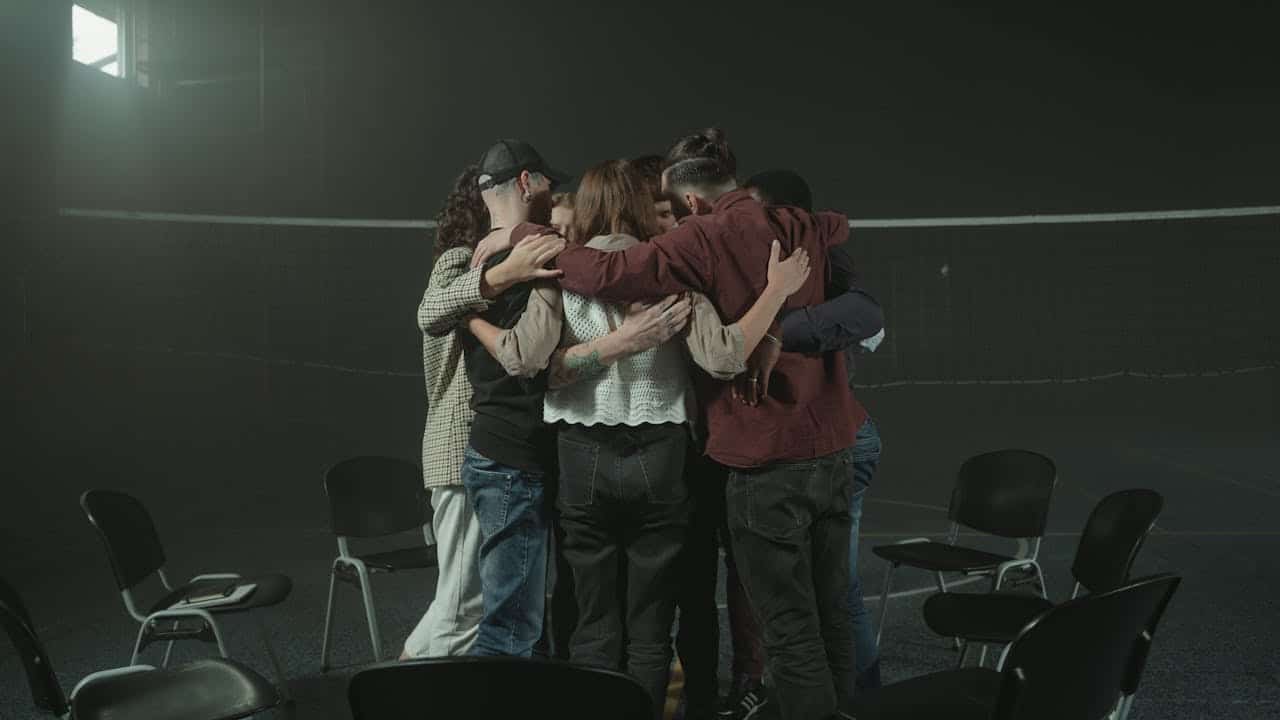
- Peer Support: Built-in peer communities where shared experiences foster mutual support and accountability. Group activities, community meetings, and alumni networks keep isolation at bay.
- Professional Guidance and Counseling: Access to continued professional counseling and therapy helps residents work through personal issues, improve coping strategies, and strengthen their recovery journey.
The Rhythms of Daily Life
Halfway houses focus on personal responsibility, resilience, and community engagement. House rules and staff enforce structured routine. In turn, residents develop healthy daily rhythms, aiming for reintegration.
This is what happens daily in a halfway house:
- Mornings include meetings, chores, goal reviews, and drug tests.
- Afternoons are for training, support groups, counseling, and employment.
- Evenings offer free time, community meetings, activities, workshops, and shared meals.The structure promotes crucial life skills, wellbeing habits, and purpose. It prepares residents for a self-directed life.
By the end, residents are equipped to maintain recovery and live independently. The approach meets immediate needs while aiming for long-term independence.