What Are the Signs You Have Poor Blood Flow?
The physical signs of poor blood flow may be easy to overlook. For instance, if cold hands and feet persist even in warm environments, it often indicates reduced vascular function.
Numbness and tingling in the extremities, unexplained fatigue, difficulty concentrating and memory lapses also suggest oxygen isn't efficiently reaching tissues. Recognizing how these patterns cluster together helps you determine whether sluggish flow might be undermining your daily wellness.
The Link Between Vascular Health and Mood Regulation
Your brain needs steady oxygen delivery to regulate emotions effectively. When vessels can't maintain consistent flow to brain tissue, it triggers a cascade of psychological symptoms that researchers have identified as a core factor in depression.
Sleep problems, headaches, dizziness and trouble thinking clearly often appear together in individuals whose brains aren't getting adequate circulation. These are direct results of the physical supply problem, not just side effects of feeling down.
Addressing how well oxygen reaches the brain can relieve symptoms that other treatments haven't helped, which is why more clinicians now consider circulation when depression resists conventional care.
Why Sluggish Circulation Drains Mental Clarity and Focus
Brain fog, memory lapses and trouble concentrating often stem from a circulation problem rather than lack of sleep or poor nutrition. When blood doesn't flow efficiently to brain tissue, the oxygen supply drops and cognitive performance declines.
In practice, this might mean rereading the same paragraph multiple times or forgetting information you just learned. Those who sit for long periods, have a history of high blood pressure or experience frequent cold extremities face a higher risk for these cognitive issues.
The typical response involves reaching for coffee or energy drinks to power through the mental haze. However, sluggish blood flow affects mental clarity in ways stimulants can't address at the source. Improving vessel function typically leads to cognitive benefits as oxygen reaches brain tissue more effectively. Better concentration, sharper recall and sustained mental energy emerge naturally when the underlying supply problem gets resolved rather than masked.
How Poor Perfusion Weakens Immune Defense
White blood cells and antibodies rely on circulation to quickly reach infection sites. Yet, when vessels can't efficiently transport these defensive cells, the body struggles to mount effective responses.
In everyday terms, you might notice you're catching every cold that goes around the office or dealing with infections that linger longer than they should. Recovery times stretch out, minor cuts take longer to heal and you may find yourself reaching for antibiotics more frequently than others around you.
Peripheral artery disease (PAD) demonstrates how restricted flow creates vulnerabilities throughout the entire system. Research shows this condition independently increases the risk of inflammation and infection, including pneumonia and cellulitis.
Older adults with PAD face an even greater risk of bloodstream infections compared to those with healthy vessels. The threat level parallels coronary heart disease or stroke, revealing how vessel integrity determines your body's defensive capacity.
The Impact of Psychological Stress on Heart Health
Just as restricted flow affects mood and thinking, chronic emotional strain damages the heart and vessels in measurable ways. The relationship creates a cycle where psychological pressure triggers physical changes that then amplify mental distress.
Breaking this pattern requires addressing both the emotional triggers and the bodily responses through techniques like deep breathing, regular movement and setting boundaries that protect recovery time. Physical symptoms such as chest tightness, an elevated resting heart rate, or a racing pulse during nonstressful moments often signal that stress has begun to affect cardiovascular function.
Individuals experiencing stress-induced ischemia face more than a twofold higher risk of heart attacks compared to those who manage tension effectively. The damage from ongoing emotional strain exceeds that of physical exertion, which is why protecting mental space is as important as any exercise routine for long-term heart protection.
Simple Habits to Biohack Your Blood Flow
Optimizing how efficiently blood moves through your body doesn't demand expensive equipment or complex routines. A handful of accessible daily practices, when woven into regular habits, can significantly enhance vessel performance.
Incorporate Temperature Therapy for Cardiovascular Health
Exposing your body to cold temperatures creates a training effect for vessels, prompting them to constrict and dilate in response to thermal challenge. This adaptive process produces measurable cardiovascular improvements by reducing risk factors for heart disease and metabolic dysfunction through repeated practice.
Controlled research has documented striking physiological responses to cold immersion. Young men who spent one hour in 14° Celsius water experienced a 350% increase in basal metabolic rate, along with meaningful reductions in heart rate and blood pressure, changes that signal improved cardiovascular efficiency.
Cold plunges and contrast showers provide more accessible ways to trigger these adaptive responses at home, with even brief exposures building resilience in your vessels' response to environmental challenges over time.
Use Targeted Stretching to Boost Oxygen Delivery
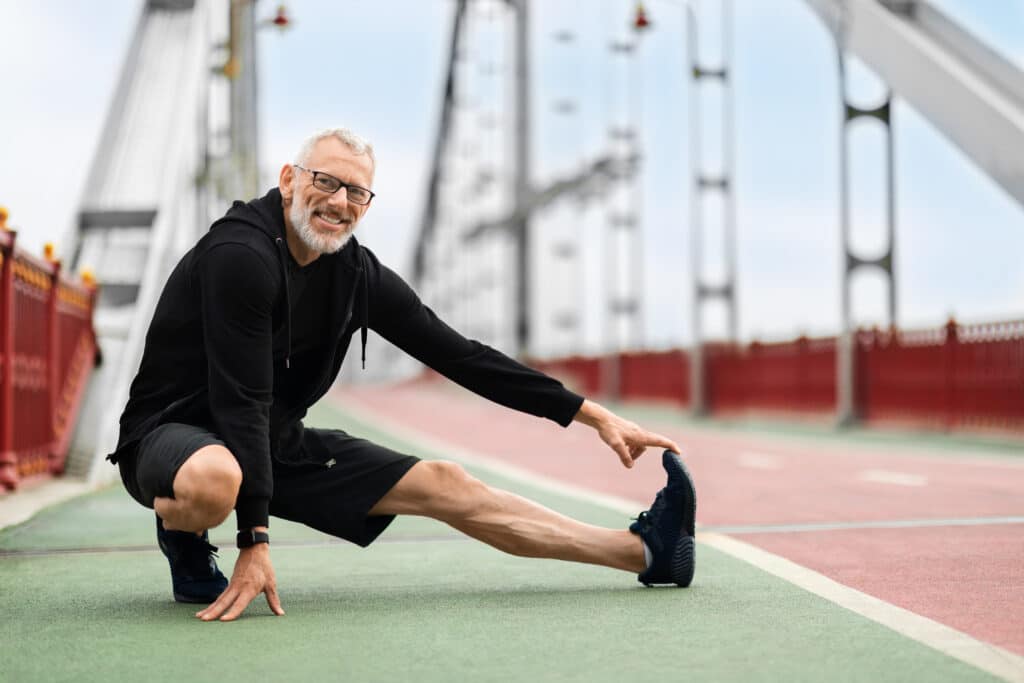
Regular stretching physically encourages vessels to dilate, allowing oxygen and nutrients to reach joints and muscles more efficiently. This gentle movement also reduces soreness and speeds recovery after more intense activity.
Daily stretches targeting major muscle groups create these beneficial changes when practiced consistently. If you're just starting, try incorporating:
- Hamstring stretches to improve lower-body circulation
- Hip flexor stretches to open blood flow through the pelvis
- Shoulder rolls to enhance upper body delivery
- Spinal twists to promote core vessel function
Hold each position for 20 to 30 seconds, allowing vessels adequate time to respond and adapt. The enhanced flow supports both immediate performance and long-term tissue vitality as these improvements build with regular practice.
Reclaim Your Vitality From the Inside Out
Healthy circulation forms the foundation that sustains energy, emotional stability and robust immunity. Whether you're addressing existing signs of poor blood flow or taking proactive steps to support vascular health, the path forward combines daily habits with professional guidance. Small, consistent actions create meaningful improvements in how your body functions and how you experience life.
Disclosure: We may earn a commission from certain links on this site when you make a purchase, at no extra cost to you. These commissions help support Wellness + Wisdom and do not affect the products or resources we choose to recommend. Full disclosure .