What Exactly Is Burnout?
Burnout is a state of ongoing exhaustion caused by prolonged stress that affects your physical, mental and emotional well-being. Studies show that over one-third of public health staff experience burnout. While it’s not considered a medical condition, it is a psychological state that comes with long-term physical implications such as diabetes and heart disease, and mental health problems like insomnia and depression.
Burnout builds over time. You may find yourself feeling constantly drained during the day and unable to sleep at night. You will also notice you feel detached from work and struggle with motivation. Fatigue, forgetfulness, loss of appetite, irritability and physical symptoms, such as muscle pain, stomach issues and frequent illness, are also common signs of burnout.
How Travel Supports Burnout Recovery
Recovery travel for burnout can make a difference because it creates psychological distance from your daily routines that perpetuated the condition in the first place. When you are somewhere new, the distance can help shift your attention away from your usual stressors, giving you the mental space to recover from burnout.
Being in a different environment will also help you slow down and engage with what is directly in front of you. When you are not rushing between tasks, your nervous system begins to downshift. Your natural ability to regulate emotions kicks in, bringing you out of chronic stress and into a more balanced state. When you feel better, your sleep, mood and physical well-being improve as well.
Travel is also the best way to give yourself the digital detox you need. A major cause of burnout is the constant connection to screens, where your mind is always processing information and never switches off. When you travel and limit screen time, you reduce that mental load. Your brain has fewer inputs to manage, which helps reduce stress levels. You also improve focus by eliminating constant notifications, leading to a calmer mind and a better sense of well-being.
Types of Recovery Travel for Burnout
Not all types of travel support burnout recovery in the same way. The most effective experiences are those that prioritize nurturing the body and mind. Here are some examples.
Wellness Retreats
Retreats that focus on holistic wellness and nature are great options for restoring yourself. These places often combine gentle movements, like yoga, meditation and mindfulness practices, with nutritious meals and reflective exercises. These activities allow you to fully switch off and focus on healing from within. Some retreats also include hydrotherapy sessions, which help lower stress hormones, calm the nervous system and ease the body into a restful state. Even a short session can do wonders to relieve burnout.
Nature Getaways
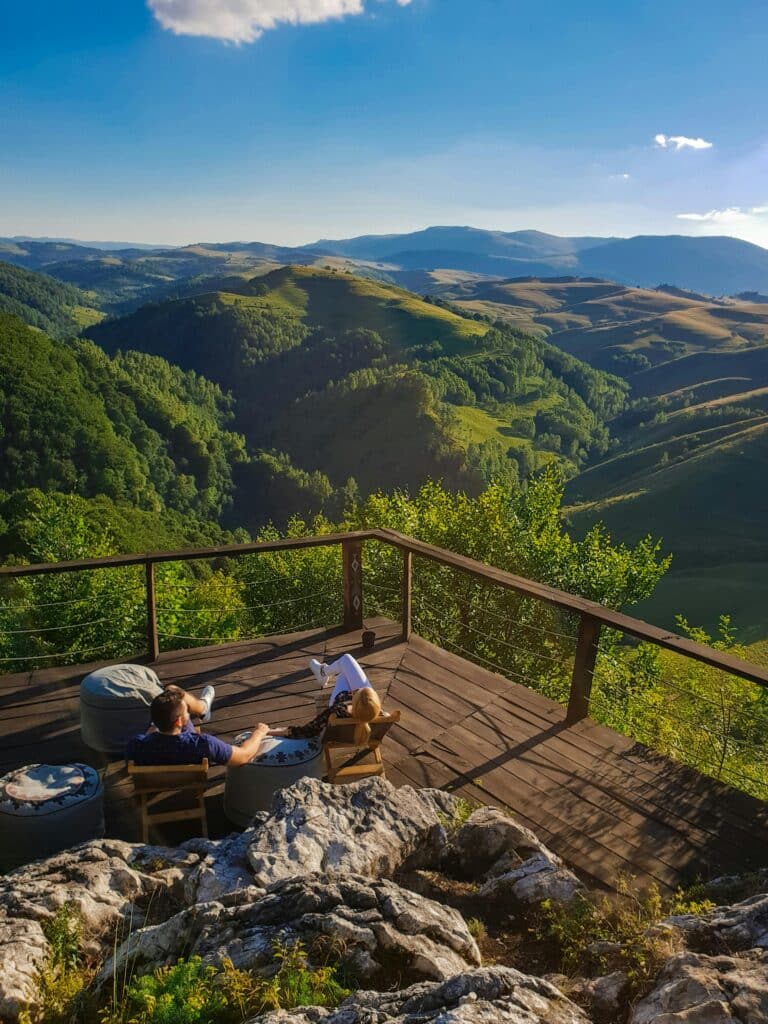
Nature-based travel is another strong choice. Spending time in forests, mountains, the beach or a lake can naturally boost your well-being. The slower rhythm of these environments encourages your body to relax without effort, while fresh air and sunlight help reduce anxiety and depression.
Slow Travel
Slow travel is about taking the time to immerse yourself in a place. Instead of rushing between multiple destinations, you stay in one place for longer to fully enjoy the experience. Slowing down to take in different sights and sounds breaks your usual stress patterns and brings you back to the present moment.
Making Your Recovery Travel Truly Restorative
Getting the most from recovery travel means choosing what to do intentionally. Here are some tips to ensure that your trip truly restores you and does not become an additional source of stress:
- Leave space in your schedule: Don’t fill your travel calendar with back-to-back things to see and do. Quiet moments with nothing planned are often when recovery happens.
- Pay attention to your energy: Some days you may feel like walking and exploring, while other days you may just want to laze by the pool. It's OK to skip your travel plans or itinerary if you don’t feel up to it. Allowing this flexibility prevents additional stress.
- Take care of yourself: Even though you are away from home, it’s important to sleep well, hydrate and eat nourishing meals to support your burnout recovery.
- Limit digital connection where possible: Constantly checking emails or scrolling through social media can keep your stress response activated. Set clear boundaries, such as checking your devices only once a day or turning off notifications.
Rest and Restore
Burnout can make life feel overwhelming, but it is not a permanent state. Recovery travel offers a powerful way to step away from stress and reconnect with yourself. By combining rest and simple routines, traveling for burnout recovery can help you move forward in life with greater balance and resilience.
Disclosure: We may earn a commission from certain links on this site when you make a purchase, at no extra cost to you. These commissions help support Wellness + Wisdom and do not affect the products or resources we choose to recommend. Full disclosure .