The Transition to Civilian Life Creates an Identity Gap
Military roles provide clear signals. Rank, mission, standards, schedule, and team relationships help answer practical questions: Where do I need to be? What matters today? Who depends on me? How will success be measured?
Civilian life often provides fewer shared answers. A new workplace may use indirect communication. Authority may feel ambiguous. Colleagues can finish work without the same sense of mutual responsibility. Friends and family may care deeply but still not understand the intensity, humor, loss, or loyalty connected to service.
The resulting discomfort does not mean a veteran is failing to adjust. It may reflect the size of the transition. The U.S. Department of Veterans Affairs notes that about 200,000 service members move into civilian life each year and offers the Transition Assistance Program to help service members and families prepare for education, employment, health care, benefits, and other parts of the change.
Transition is rarely one clean event. A new job may begin before a family has settled. A move may separate people from the support they expected to have. Benefits questions, health appointments, financial changes, and relationship adjustments can arrive at the same time. A person can feel proud of service and relieved to leave while also grieving what is gone.
Administrative preparation matters, but identity needs attention too. A resume translates duties into civilian language. It does not automatically answer who a person is without the role.
Translate Strengths Instead of Starting Over
The phrase “reinvent yourself” can create unnecessary pressure. Military service already developed skills that remain useful: learning under stress, caring for a team, following through, reading a situation, adapting to limited information, and acting in service of something larger than personal comfort.
The challenge is translation. A veteran may value the mission but no longer have one assigned. They may value team cohesion but work in a setting that treats relationships as optional. They may value readiness while their body is asking for rest.
Try separating the role from the value beneath it. These examples show the shift:
- A platoon sergeant might translate the role as creating clarity, developing people, and making decisions under pressure.
- An aircraft maintainer might emphasize protecting safety through disciplined systems and attention to detail.
- A broader service identity might become a set of values such as contribution, mastery, loyalty, protection, challenge, or belonging.
This exercise is not resume writing. It identifies values that can guide the next chapter without requiring civilian life to recreate military life. Rebuilding identity and purpose after military service begins with this kind of continuity. The setting changes, but service-developed strengths can still support a meaningful role in family, work, community, or education.
Rebuild the Five Anchors That Service Once Supplied
A healthy transition becomes more concrete when identity is supported by daily life. Five anchors are especially useful.
Rhythm
Create a day with enough structure to reduce drift but enough flexibility to learn what works now. Set consistent waking, movement, and sleep. Leave room for appointments, job searches, education, and family time. Structure is not punishment. It reduces the number of decisions that must be made while everything still feels new.
Team
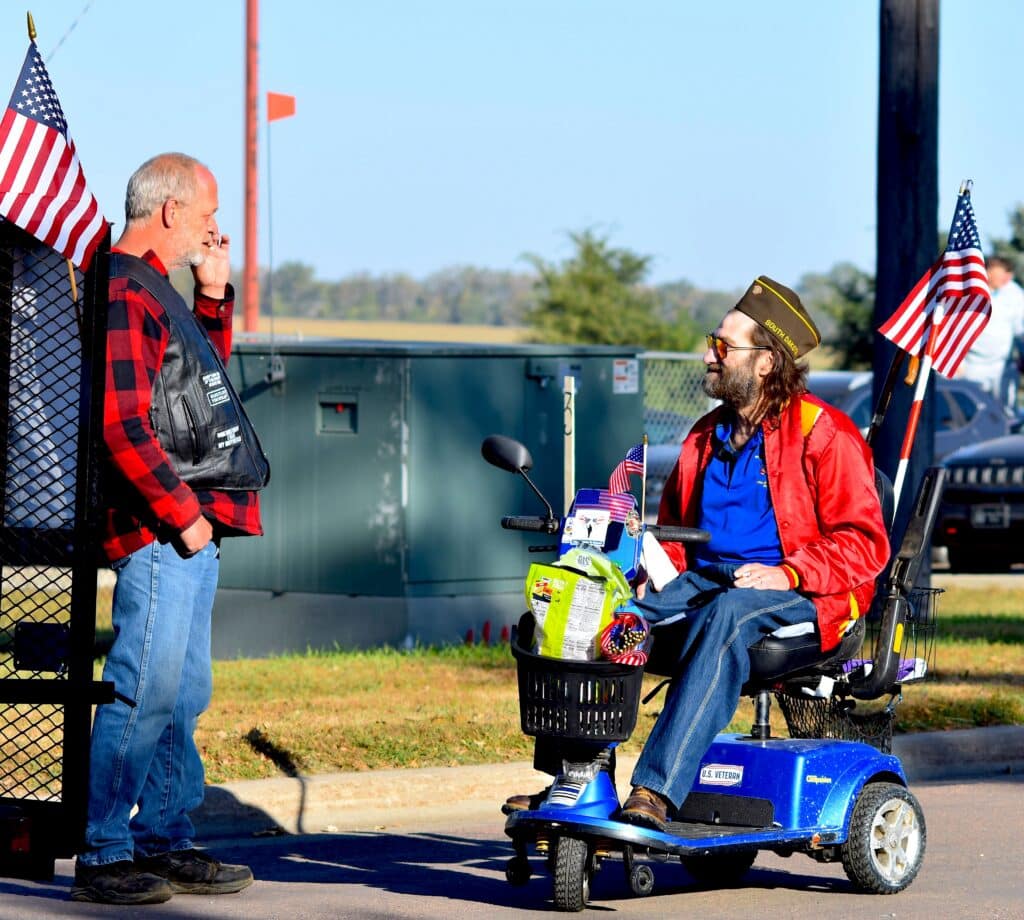
Do not wait for a close friendship to happen by accident. Choose repeated settings where trust can grow through shared action: a veteran group, class, volunteer team, faith community, outdoor group, sports league, or recovery fellowship. Connection usually develops through regular contact, not one intense conversation.
Mission
Pick a mission small enough to complete within 30 days. Help a child establish a school routine. Earn one credential. Train for an event. Restore a room. Volunteer for a defined project. Purpose becomes believable when it has a calendar and another person can see the result.
Body
Notice the difference between training, punishment, and regulation. Intense exercise may feel familiar, but recovery also requires sleep, nutrition, medical care, and forms of movement that do not turn every day into a test. A body that has operated on demand may need practice recognizing fatigue, pain, tension, and calm.
Help
Map support is urgently needed. The list might include a primary care clinician, a Vet Center, a trusted peer, a family member, a chaplain, a therapist, or a benefits adviser. The VA provides transition-focused resources, counseling, employment referrals, and substance use assessment through several programs. Asking early preserves more options.
Family members can participate without becoming monitors. They can ask what kind of support is useful, name specific changes they observe, and protect their own well-being. A spouse or parent does not need to diagnose the veteran or manage every appointment. Clear roles reduce resentment and make it easier for professional support to do the work it is designed to do.
Watch for Coping That Narrows Your World
After separation, alcohol or another substance can take on a new function. It may create a nightly stop signal, reduce social discomfort, interrupt memories, fill unstructured time, or restore a temporary sense of belonging. None of those motives makes a person weak. They do make the pattern worth examining.
Pay attention when use becomes the main route to sleep, connection, calm, or emotional distance. Other signals include drinking more than intended, needing more for the same effect, repeatedly breaking personal limits, withdrawing from people who ask questions, or continuing despite health, relationship, work, or legal consequences.
Trauma exposure and chronic stress are associated with increased risk for substance use problems, but they do not determine anyone's future. Not every veteran has post-traumatic stress disorder, and not every substance concern is caused by military experience. A qualified assessment should look at the individual rather than force the story into a stereotype.
If physical dependence may be present, abrupt withdrawal can carry medical risk. Medical advice is important before stopping alcohol, benzodiazepines, or other substances that can produce dangerous withdrawal. The aim is safe, accurate support, not proving toughness through another solo test.
Use Military-Connected Resources Without Assuming Coverage
Veterans, active-duty service members, retirees, and family members may have different routes to care. VA eligibility, military treatment facilities, TRICARE plans, civilian networks, referrals, and prior authorization rules can vary by status, plan, location, and service.
TRICARE states that it may cover several forms of substance use disorder treatment, including inpatient services, intensive outpatient programs, withdrawal management, medication-assisted treatment, and partial hospitalization. That list does not guarantee that a particular service, provider, cost, or admission will be approved for a specific person. Current plan rules and provider status must be verified.
For military-connected people comparing substance use treatment options, TriCareRehabs.com is an independent referral and helpline resource, and its staff can discuss potential provider options, along with answering coverage, authorization, cost, availability, and admission questions.
A 30-Day Practice for the Next Chapter
Identity is rebuilt through repeated evidence. For one month, choose one action in each category:
- Keep one daily rhythm that supports sleep and energy.
- Meet with one person or group at the same time each week.
- Complete one mission with a visible finish line.
- Practice one form of body awareness that is not based on maximum performance.
- Have one honest conversation about stress, alcohol, medication, anger, grief, or isolation.
Review the month without grading it like an inspection. Which action increased steadiness? Which one created genuine contact? Where did avoidance show up? What support would make the next month more workable?
The connection between recovery and belonging is especially relevant during transition. Wellness + Wisdom's exploration of addiction and connection offers a wider frame: lasting change is supported by relationships, meaning, and a life that contains reasons to stay present.
Military service may remain a permanent part of identity, but it does not have to be the final definition. The next chapter can hold continuity and change at the same time. Values can be translated. Community can be rebuilt. Coping can become more flexible. Asking for support can be an act of responsibility toward the life and people that now make up the mission.
Disclosure: We may earn a commission from certain links on this site when you make a purchase, at no extra cost to you. These commissions help support Wellness + Wisdom and do not affect the products or resources we choose to recommend. Full disclosure .