
There is an intelligence living inside your body that has tracked every significant emotional experience of your life, and not in your brain. It lives in the cellular fabric of your tissues, organs, muscles, and connective tissue. This living record is what researchers increasingly call bioenergetic memory, and understanding it may be one of the most important insights you ever meet on your healing journey.
The body does not just feel emotions and release them. For many people it stores them, encoding the energetic signature of intense or unresolved experiences into its own biology, where it quietly shapes thoughts, behavior, relationships, and health long after the original event has passed.
In 2025 the science caught up to what somatic healers and Emotional Epigenetics researchers have understood for years. A landmark Yale study in Scientific Reports confirmed that traumatic experiences leave molecular marks on the genome that persist across multiple generations. The body stores trauma, the cells remember, and the most extraordinary part is that this memory is not fixed. It is changeable, and your biology is far more responsive to love, practice, and intention than most people ever discover. I teach these ideas through the Emotional Epigenetics framework on the Wellness + Wisdom Podcast, and this article is my most complete explanation of what bioenergetic memory is and how to heal it.
What Bioenergetic Memory Actually Means
The word bioenergetic combines two root ideas: bio, meaning life, and energetic, meaning relating to energy and its transformations. In the context of healing and the body, bioenergetic refers to the specific way that living tissues process, store, and release energy in response to experience. When we talk about bioenergetic memory, we are talking about the way your body's cells encode the energetic imprint of significant experiences, particularly emotionally charged ones, and carry that imprint forward in time.
This is not mystical language dressed up in scientific clothes. The concept has a genuinely rigorous foundation. A November 2024 narrative review published in PubMed titled “The Role of Cells in Encoding and Storing Information” synthesized evidence across brain based, body based, and cellular mechanisms of memory and reached a remarkable conclusion: memories can be encoded and stored in cells throughout the body, not just in the brain's neural networks. The review went further, noting that in documented cases of organ transplantation, recipients have reported accessing memories, preferences, and emotional responses that appear to have originated with the organ donor. The cells, it seems, carry the story.
At a more molecular level, bioenergetic memory operates through several well documented mechanisms. Every intense emotional experience generates a cascade of neurochemical activity: hormones flood the bloodstream, the neural system shifts its electrical signaling patterns, inflammation markers rise or fall, and the cellular environment changes in measurable ways. When these experiences are intense enough, frequent enough, or occur during critical windows of development, the changes they produce in cellular biology can persist as stable patterns rather than transient states. The cell does not just respond to the experience and return to baseline. It remembers.
A foundational 2022 study published in PMC on “Clinical Manifestations of Body Memories” defined body memory as the complete sum of all past bodily experiences stored in memory, including tactile, motor, proprioceptive, painful, and interoceptive experiences, along with the emotions that accompanied them. The researchers found that individuals who had experienced trauma were 2.7 times more likely to present with functional somatic syndromes, where the body expresses distress in physical symptoms without an identifiable organic cause. Their bodies, in other words, were speaking the memories that the conscious mind had not fully processed.
The reason this matters for you, right now, in your daily life, is that bioenergetic memory is not an abstract scientific concept. It is the mechanism behind the tension you carry in your shoulders when you enter certain social situations. It is the reason your gut clenches in response to a tone of voice before your conscious mind has had a chance to interpret the situation. It is why your heart rate spikes when someone uses a particular phrase that your grandparent used. Your body is not overreacting. It is remembering. It is doing exactly what it was designed to do. And once you understand that, you can begin to work with it rather than against it.
To explore more of the science and practice behind this, I go deep on the latest Wellness + Wisdom episodes and in the L.I.F.E. Method program, which was built specifically to address this layer of embodied experience.
The Body Stores Trauma: Understanding Somatic Memory
The phrase “the body stores trauma” has become a kind of cultural shorthand in wellness circles, but it is worth slowing down and understanding exactly what it means and what it does not mean. Because when you understand the mechanism, not just the metaphor, the path to healing becomes far clearer.
Trauma, in the way I use the term and in the way most somatic researchers use it, is not simply a bad experience. Trauma is what happens when an experience overwhelms the system's capacity to integrate it. The neural system activates its most powerful survival responses, fight, flight, or freeze, and the body mobilizes every resource it has to survive the moment. In most cases, once the threat has passed, the activation discharges and the system returns to baseline. Animals in the wild shake off a predator encounter and go back to grazing. The cycle completes.
But in human beings, that discharge cycle often gets interrupted. Social conditioning, early childhood environments, and the complexity of human relationships mean that many people learn to suppress, override, or intellectualize the body's natural completion responses. The survival activation that was mobilized does not discharge. It stays in the tissue. The body goes on high alert and, when the threat does not fully resolve in its cellular experience, it stays there, in some form, indefinitely.
This is the biological foundation of somatic memory: the way the body encodes unresolved survival states as chronic patterns of tension, contraction, reactivity, or shutdown. The muscles hold it. The fascia holds it. The visceral organs hold it. The immune system reflects it. Peter Levine, the founder of Somatic Experiencing and one of the most important voices in trauma research for the past four decades, described this as incomplete biological responses trapped in the body's tissue and posture, waiting for the conditions that would allow them to complete.
The 2024 bioenergetic trauma study published in Brain Sciences took this understanding into the laboratory. The research, published as “Exploring Embodied and Bioenergetic Approaches in Trauma Therapy: Observing Somatic Experience and Olfactory Memory”, examined how specific sensory triggers, particularly olfactory (smell) cues, activated stress responses in war veterans with trauma histories. What the researchers found was striking: the burning smell that veterans associated with combat did not just trigger cognitive memories. It produced measurable physiological stress responses, elevated heart rates, and altered breathing patterns, and the intensity of these responses actually increased over time since the original trauma rather than decreasing. The body was not forgetting. It was keeping the score with increasing fidelity.
This research, coming out of the bioenergetic analysis tradition pioneered by Alexander Lowen, makes a foundational point about how the body stores trauma: the storage is sensory and somatic, not just cognitive. You do not have to consciously remember a traumatic experience for your body to be responding to its echoes. The bioenergetic memory can be active even when the intellectual memory is absent, which is one reason why talk therapy alone often cannot reach these stored patterns. The Wellness + Wisdom blog has extensive resources on why this distinction matters for healing, and I explore it in detail on the podcast as well.
How Cellular Memory Gets Encoded at the Molecular Level
One of the most common questions I get when I explain bioenergetic memory is: how does this actually work? How does an emotional experience, which seems to happen in the mind or the neural system, end up encoded in the cells of the body? The answer lives at the intersection of epigenetics, neuroendocrinology, and cellular biology, and it is more elegant and more practical than most people expect.
When you experience a significant emotional event, your brain and neural system respond by activating a complex cascade of neurochemical signals. The hypothalamus, the brain's primary regulator of the autonomic responses, sends hormonal signals via the pituitary and adrenal glands. Cortisol, adrenaline, and other stress hormones flood the bloodstream. Simultaneously, neurotransmitters like norepinephrine alter the electrical signaling patterns throughout the neural system. Your immune system shifts. Your heart rate changes. Your muscles either mobilize for action or brace for impact.
All of these changes travel to every cell in your body. And at the molecular level, they interact directly with the mechanisms that control gene expression. Cortisol, for example, binds to glucocorticoid receptors on the surface of cells and sends instructions directly to the nucleus, influencing which genes get expressed and which get silenced through a process called DNA methylation. Intense emotional experiences can produce methylation changes that persist for months, years, or even decades. When those changes alter the expression of genes involved in stress regulation, inflammation, mood, and immune function, the emotional experience has been written into the cellular biology of the organism.
A 2025 review published in the International Journal of Molecular Sciences titled “Epigenetic Echoes: Bridging Nature, Nurture, and Healing Across Generations” called this the “curable epigenome” and documented compelling evidence that social, psychological, and physiological interventions can reverse these molecular changes. The epigenetic marks that emotional experiences leave are not permanent sentences. They are more like writing in pencil than carving in stone. With the right conditions, the marks can be erased and new, healthier patterns can be written in their place. This is cellular memory healing at the molecular level, and it is among the most hopeful findings in the history of human biology.
The same review identified DNA methylation of specific regulatory genes, including the now well known FKBP5 and NR3C1 genes involved in stress response regulation, as primary molecular markers of traumatic experience and primary targets for healing interventions. These are not abstract laboratory findings. They are the molecular signature of every practice you will read about in the healing section of this article, breathwork, somatic movement, meditation, community connection, and more.
If you want to go deeper into the epigenetic mechanisms of cellular memory, the L.I.F.E. Method includes a full module on this science and how to apply it in your daily practice. The Wellness + Wisdom store also has resources specifically designed to support this work.
The Emotional Epigenetics Connection to Bioenergetic Memory
Emotional Epigenetics is the framework I developed to describe the convergence of emotional patterns, unconscious beliefs, and environmental influences on genetic expression. It rests on three foundational pillars: the emotional patterns themselves, including bioenergetic memory and inherited emotional imprints; the unconscious beliefs that are often formed in response to emotional experiences; and the environment, including the epigenetic signals sent by lifestyle, relationships, and external stressors.
Bioenergetic memory sits squarely at the center of the first pillar. It is the biological substrate through which emotional patterns persist, transmit across generations, and influence behavior from below the level of conscious awareness. When you understand bioenergetic memory through the Emotional Epigenetics lens, several things become clear that are not visible from other angles.
First: many of the emotional patterns you experience as “just who I am” are not character traits. They are bioenergetic memories encoded during formative experiences, often in early childhood or even before birth, that have been running on autopilot ever since. The anxiety that shows up in unfamiliar social situations. The collapse into people pleasing under pressure. The inability to stay present in intimate relationships. These are not failures of willpower. They are the body's memory of what it learned about safety.
Second: bioenergetic memory can be inherited. The emerging field of epigenetics has made it increasingly clear that the emotional experiences of previous generations, even ones you never personally lived through, can leave molecular marks that influence your own neural system regulation, stress thresholds, and emotional reactivity. You may be carrying your grandmother's unresolved grief, your father's inherited fear, or your family lineage's accumulated experience of scarcity, not as conscious beliefs you can simply choose to discard, but as bioenergetic memories encoded in your epigenome before you drew your first breath.
Third, and this is the part that changes everything: the Emotional Epigenetics framework makes clear that healing these patterns is not just possible, it is biologically designed to happen. Your epigenome is responsive. Your cells are listening. The practices that calm the neural system, build safety in the body, and generate genuine emotional processing are not just making you feel better. They are editing the code. They are rewriting the bioenergetic memory at the cellular level and, in doing so, changing what you pass forward to the next generation. This is the message at the heart of everything I teach on the Wellness + Wisdom Podcast and in our Liberated Life Tribe community.
What the 2025 Science Confirmed About How the Body Stores Trauma
Research on bioenergetic memory and intergenerational trauma has accelerated, and what is striking is the specificity. Scientists are no longer only suggesting that emotional experience shapes biology. They are naming the exact molecules, genes, and transmission pathways involved.
The Yale Syrian Refugee Study
In February 2025 a Yale led team published a study in Scientific Reports titled Epigenetic Signatures of Intergenerational Exposure to Violence in Three Generations of Syrian Refugees. It examined grandparents who survived the 1982 Hama massacre, parents who lived through the 2011 uprising, and grandchildren born after both events with no direct exposure. The researchers found differentially methylated regions tied to germline transmission, and the grandchildren showed altered methylation at stress regulation and neural system genes even though they had never experienced the violence. Their bodies were keeping the score for events that happened decades before their birth.
Why the Pattern Persists
A 2026 study in Molecular Psychiatry helped explain why bioenergetic memory is so durable. Chronic stress biases the brain memory systems, broadening the cellular patterns that encode threat and weakening the pathways that would normally quiet them. The result is a body that keeps reading old danger into present moments. The hopeful flip side is that the same systems that learn fear can learn safety, which is exactly what the healing practices below are designed to teach.
Signs Your Bioenergetic Memory Is Running Your Life Right Now
One of the most freeing moments in healing is realizing that patterns you blamed on character flaws are actually bioenergetic memories running on autopilot. Here are the most common signs.
Disproportionate Emotional Reactions
When your response is far bigger than the moment warrants, that is usually stored memory at work. A mild criticism that triggers hours of shame, or a small rejection that brings a wave of grief, means the present is activating an older cellular pattern. The body is responding to the memory, not just the moment.
Chronic Physical Tension or Unexplained Pain
Persistent tension in the jaw, shoulders, neck, hips, or abdomen is often bioenergetic memory made physical. These are primary sites of the fight or flight response, and when that response never completed, the activation stays as chronic holding. Many people have carried tension in one spot so long they think it is simply how their body feels. It is how their body remembers.
Repetitive Patterns in Relationships and Choices
Recreating the same dynamics, choosing similar partners, or sabotaging your own progress points to stored memory. The neural system treats the familiar as safe, even when it is harmful, so willpower and insight alone rarely break the loop until the body is addressed directly. I go deep on this in the Best of 2025 solocast and the L.I.F.E. Method program.
Difficulty Being Present in the Body
Carrying significant bioenergetic memory often feels like living in your head, disconnected from the body, or emotionally numb. That is the neural system protecting you from the intensity of stored material. Dissociation is a survival adaptation, not a deficiency, and the path back moves gently, building safety and presence before any confrontation with what is stored.
Five Evidence Based Pathways to Cellular Memory Healing
The most important thing to take from this is not a deeper map of the problem but a clear path forward. Cellular memory healing is real, documented in peer reviewed research, and available through practices that are accessible and free. Here are the five that the science and my years with the Liberated Life Tribe consistently show to be most transformative.
1. Somatic Breathwork
Conscious, connected breathing activates the vagus nerve and shifts the neural system into the parasympathetic state where stored material can surface, be felt, and discharge from the tissue. The 2025 epigenetic research found that breathwork produces measurable changes in the methylation of stress response genes. Ten to twenty minutes a day, especially with a longer exhale than inhale, shifts vagal tone within a single session and compounds into lasting change over months.
2. Somatic Movement and Trauma Release Practices
The body stores trauma as chronic muscular holding, and movement that lets those patterns be felt and released is among the most direct forms of cellular memory healing. Somatic Experiencing, TRE, bioenergetic movement, and conscious dance all share one logic, creating the conditions for the incomplete survival responses trapped in the tissue to finally complete. The 2024 research in Brain Sciences identified embodied approaches as effective precisely because they reach the somatic dimensions of trauma that talk alone cannot.
3. Meditation and Mindfulness Practice
Meditation is one of the most consistently documented epigenetic interventions we have. Regular practice reduces methylation of protective stress regulation genes and supports the expression of genes tied to neuroplasticity and resilience. Practice that includes interoception, the felt sense of internal body states, appears to produce stronger benefits than purely cognitive approaches, because it directly engages the neural system capacity to update bioenergetic memory.
4. Authentic Connection and Community
Safe relational connection is not a nice addition to healing. It is a biological requirement. The neural system evolved for social living, and many of the most powerful mechanisms for cellular memory healing switch on only through being seen, heard, and accepted by another person. That is why the Liberated Life Tribe is a primary healing environment, not a supplement. Relational safety activates social engagement, oxytocin, and ventral vagal pathways, the exact physiology that dysregulated memory suppresses.
5. Epigenetic Lifestyle Practices
Sleep, nutrition, movement, and time in nature all produce measurable epigenetic effects. Poor sleep, inflammatory food, sedentary days, and isolation entrench old patterns, while quality sleep, anti inflammatory nutrition, regular movement, and time outdoors support healing. The Wellness Pentagon framework holds that no dimension heals in isolation, and nowhere is that more true than here. The body that heals is the one being nourished, moved, rested, connected, and given the safety to feel and release what it has carried.
The L.I.F.E. Method as a Complete System for Bioenergetic Release
I built the L.I.F.E. Method specifically to address the challenge of bioenergetic memory in a structured, embodied, and deeply practical way. The four pillars of Love, Integration, Forgiveness, and Embodiment map directly onto the stages of cellular memory healing that the research consistently identifies as most transformative.
Love creates the relational safety that is the biological precondition for healing. Integration addresses the process of bringing the stored material into conscious awareness and allowing the neural system to process it fully rather than continuing to hold it in the tissue. Forgiveness, which in this context means the energetic release of resentment and contracted energy rather than condoning harm, directly targets some of the most costly forms of bioenergetic memory holding. And Embodiment ensures that the healing is not just intellectual or emotional but cellular, somatic, and lasting.
The program runs for six weeks and combines breathwork, Emotional Epigenetics teaching, somatic practices, and the relational support of a community of people doing the same inner work. The results are not just better moods or more positive thinking. People consistently report that their bodies feel different: lighter, more spacious, more present, and more alive. That shift is not metaphorical. It is bioenergetic memory releasing and new cellular patterns taking root.
If you are ready to begin this work in a supported and structured environment, I invite you to explore the L.I.F.E. Method and to start with the free resources available in the Liberated Life Tribe. Every person who does this work is not just healing themselves. They are changing what they pass forward to every generation that comes after them. That is the scale of what is possible here, and it starts with a single conscious breath.
Ready to Free Your Body from the Patterns It Has Been Carrying?
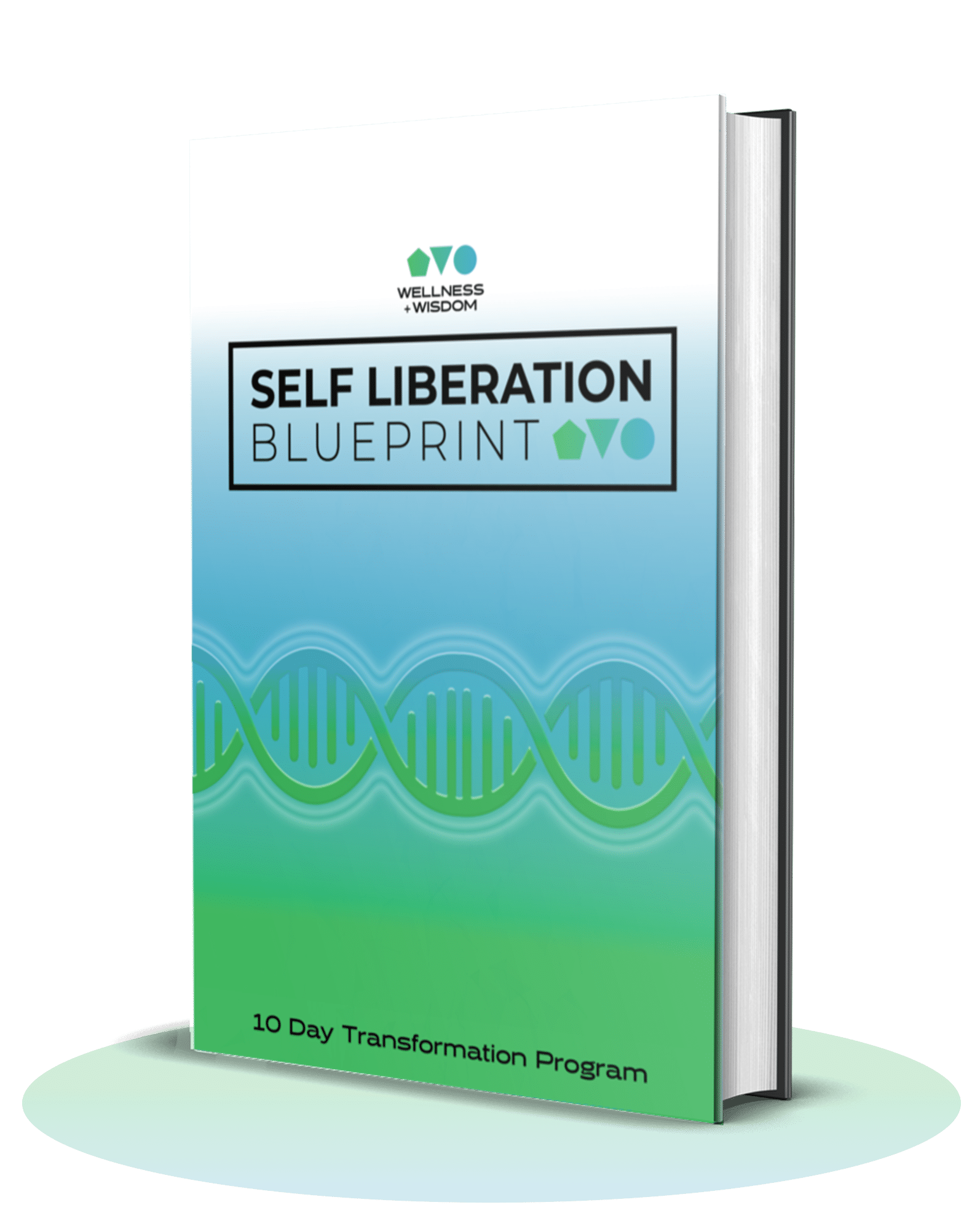
Everything you have read in this article is the “why.” The Liberated Life Tribe is the “how.” Join thousands of people using the 10 Day Self Liberation Blueprint to begin releasing bioenergetic memory, healing somatic patterns, and stepping into the full vitality of who they actually are.
It is free. It is yours. And it works at the cellular level.
Join the Liberated Life Tribe and Get Your Free 10 Day Blueprint
Frequently Asked Questions About Bioenergetic Memory
What is bioenergetic memory in simple terms?
Bioenergetic memory is the way your cells and tissues store the energetic imprint of significant emotional experiences, particularly overwhelming or unresolved ones, as lasting biological patterns. Unlike cognitive memory, which is stored in neural networks in the brain, bioenergetic memory is distributed throughout the body in muscles, organs, fascia, and the autonomic neural system. It influences your physiological state, emotional reactions, and even your genetic expression, often without any conscious awareness that the stored material is present.
How does the body store trauma at the cellular level?
When an overwhelming experience activates the survival response, the body mobilizes intense physiological resources: hormones, neurotransmitters, immune signaling, and electrical neural system activation. When this activation is not allowed to complete and discharge naturally, the cellular environment remains altered. Over time, these alterations stabilize as epigenetic changes (modifications to gene expression through DNA methylation and histone modification), chronic patterns of neural system activation, and somatic holding patterns in the tissue. The body, in essence, encodes the survival state as a cellular memory and holds it in readiness for the next perceived threat.
Is there a difference between somatic memory and bioenergetic memory?
Somatic memory is the broader category, referring to any memory stored in or expressed through the body rather than through conscious cognition. Bioenergetic memory is more specific and adds the dimension of cellular energy to the picture, focusing on how the energetic charge of living tissue is altered by experience and how blocked or stored energy can be recognized, mobilized, and released through body based practices. Both concepts point to the same fundamental reality: the body carries the story of our emotional lives and requires body level engagement for deep healing.
Can bioenergetic memory be passed down through generations?
Yes, and this is one of the most significant findings of recent epigenetic research. The February 2025 Yale study published in Scientific Reports documented specific methylation changes in the genomes of grandchildren of Syrian war survivors, demonstrating that the bioenergetic impact of traumatic experiences can be transmitted across three generations through epigenetic mechanisms. The emotional experiences of your ancestors may be influencing your neural system regulation, stress thresholds, and emotional reactivity today through inherited bioenergetic patterns encoded in your epigenome.
What are the most effective practices for cellular memory healing?
The research consistently identifies five categories of practice that produce measurable epigenetic healing at the molecular level: somatic breathwork (particularly practices that activate the vagus nerve through extended exhale), somatic movement and body based trauma release, regular meditation and mindfulness with interoceptive focus, authentic relational connection in a safe community environment, and consistent epigenetic lifestyle practices including quality sleep, anti inflammatory nutrition, and time in nature. The L.I.F.E. Method program integrates all five categories into a structured six week journey.
How long does it take to heal bioenergetic memory?
This varies enormously depending on the nature and intensity of what has been stored, the quality and consistency of the healing practices used, and the degree of relational safety available throughout the process. What the epigenetic research makes clear is that meaningful changes in methylation patterns can begin to occur within weeks of consistent practice, and that these changes accumulate over time into lasting shifts in cellular biology. Healing is not a destination reached on a particular day. It is an ongoing deepening into wholeness, and each layer that releases creates the conditions for the next one to become accessible. The most important thing is to begin.
Studies and External Resources
The science in this article rests on peer reviewed research and authoritative resources. These are the studies and sources referenced throughout.
- The Role of Cells in Encoding and Storing Information: A Narrative Review of Cellular Memory. Cureus, 2024. PubMed: 39640131
- Clinical Manifestations of Body Memories: The Impact of Past Bodily Experiences on Mental Health. Brain Sci, 2022. PubMed Central: 9138975
- Exploring Embodied and Bioenergetic Approaches in Trauma Therapy: Observing Somatic Experience and Olfactory Memory. Brain Sci, 2024. PubMed: 38672034
- Epigenetic Echoes: Bridging Nature, Nurture, and Healing Across Generations. Int J Mol Sci, 2025. PubMed Central: 11989090
- Epigenetic signatures of intergenerational exposure to violence in three generations of Syrian refugees. Sci Rep, 2025. PubMed: 40016245
About Josh Trent
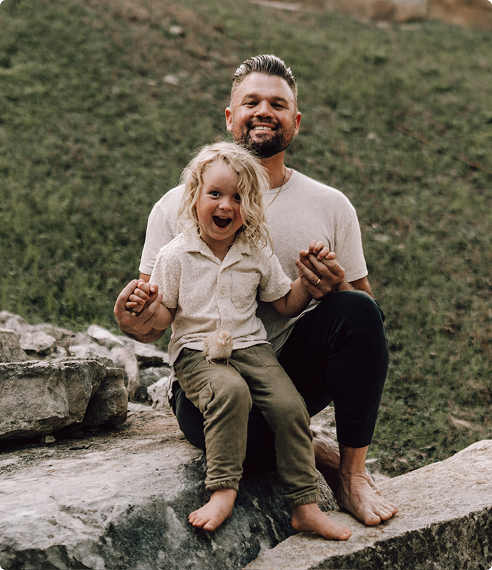
Josh Trent is a wellness entrepreneur, breathwork teacher, and the host of the Wellness + Wisdom Podcast, one of the top health and personal development podcasts in the world with over 500 published episodes. He is the creator of the L.I.F.E. Method, the Emotional Epigenetics framework, and the founder of the Liberated Life Tribe.
Josh's personal healing journey through addiction recovery, emotional trauma, and the dissolution of inherited patterns drives his life's mission: helping people globally step out of self sabotage and unhealthy patterns so they can live their lives from authentic joy. He has spent over fifteen years studying the intersection of neuroscience, epigenetics, somatic healing, and spiritual practice, and his work has reached hundreds of thousands of people across six continents.
He lives in Dripping Springs, Texas, with his family, and he considers his most important work to be the ongoing practice of conscious presence in daily life. Learn more about Josh's story, explore all podcast episodes, and connect with the Liberated Life Tribe community at liberatedlife.com.
Scientific references: Exploring Embodied and Bioenergetic Approaches in Trauma Therapy (Brain Sciences, 2024, PubMed 38672034); The Role of Cells in Encoding and Storing Information (2024, PubMed 39640131); Epigenetic Signatures of Intergenerational Exposure to Violence (Scientific Reports, 2025, PubMed 40016245); Clinical Manifestations of Body Memories (PMC, 2022, PMC9138975); Epigenetic Echoes: Bridging Nature, Nurture, and Healing Across Generations (IJMS, 2025, PMC11989090). This article is for educational purposes only and does not constitute medical advice.
Disclosure: We may earn a commission from certain links on this site when you make a purchase, at no extra cost to you. These commissions help support Wellness + Wisdom and do not affect the products or resources we choose to recommend. Full disclosure .