
By Josh Trent | Wellness + Wisdom Podcast Host & Identity Transformation Architect
“Discipline is not punishment. It is remembering what you love more than what you want right now. Learning how to build self discipline is learning to keep promises to the person you are becoming.”
Josh Trent
Learning how to build self discipline is one of the most freeing things you can do for yourself, because discipline is what turns your dreams into daily reality. Many of us hear the word discipline and picture something harsh: gritted teeth, cold showers we hate, rigid rules, and constant self criticism. No wonder so many people avoid it. But real self discipline is not about fighting yourself every day. It is about designing a life where the choices that serve you become easier and more natural, until they simply feel like who you are. That shift from forcing to becoming is the heart of the L.I.F.E. Method™.
Here is the joy forward truth at the center of it all. The most disciplined people are not the ones with superhuman willpower. Research shows they are the ones who have built supportive habits and environments that reduce how often they need willpower in the first place. When you learn how to build self discipline this way, it stops feeling like a cage and starts feeling like freedom, because you are finally living in line with what you truly value. Let us explore exactly how.
Table of Contents
- What Self Discipline Really Is
- Why Discipline Feels So Hard
- The Gift of Keeping Your Word
- The Science of Self Discipline
- How to Build Self Discipline
- Discipline From Love Versus Discipline From Fear
- How to Build Self Discipline With the L.I.F.E. Method™
- Celebrating Every Kept Promise
- Discipline Is a Lifelong Practice
- When Discipline Feels Out of Reach
- Frequently Asked Questions
- Studies and External Resources
- About Josh Trent
What Self Discipline Really Is
Self discipline is the ability to act in line with your long term values and goals, even when a short term impulse pulls you in another direction. It is the bridge between what you intend and what you actually do. When you have it, your daily actions become a reflection of what matters most to you.
It helps to see discipline as a form of loyalty. When you go for a walk instead of scrolling, choose rest instead of one more episode, or start the project instead of putting it off, you are being loyal to your future self. You are choosing the version of you who will wake up rested, feel strong, and see the project finished. Every disciplined choice is a small act of care for the person you are becoming.
Importantly, self discipline is not the same as rigidity. Real discipline includes flexibility, rest, and compassion. It knows when to push and when to pause. A disciplined person is not someone who never misses a day. It is someone who keeps returning, again and again, to what they value. That kind of steady return is a theme we explore often on the Wellness + Wisdom Podcast, because it underlies nearly every lasting transformation.
Why Discipline Feels So Hard
Discipline feels hard because our brains are wired to favor immediate rewards over future benefits, and modern life is designed to offer instant gratification at every turn. Your phone, your snacks, your streaming queue. All of them are engineered to be easy and rewarding right now. The long term goals you care about, by contrast, often offer their rewards later.
Many of us also try to build discipline the hard way. We rely on willpower alone, setting ambitious goals and expecting ourselves to resist temptation through sheer force. That approach tends to work for a few days, then fade, especially when we are tired, stressed, or emotionally drained. When it fades, we often blame ourselves, which makes the next attempt even harder. If this cycle feels familiar, you might find a lot of relief in how to stop procrastinating, which explores the emotional side of follow through.
There is a deeper layer too. Many of us grew up with discipline that felt like punishment, control, or conditional love. If discipline once meant being criticized or shamed, it makes complete sense that part of you resists it now. That resistance is protective, not lazy. The work is to build a new relationship with discipline, one rooted in self respect rather than fear, which connects deeply to the epigenetic roots of self sabotage.
The Gift of Keeping Your Word
Keeping your word to yourself gives you self trust, steady progress, more energy, and a deep sense of integrity. When your actions match your intentions, you stop feeling divided inside, and that inner alignment is one of the most peaceful feelings there is.
Think about how it feels when you keep a promise to yourself. You said you would go to bed early, and you did. You said you would finish the chapter, and you did. There is a quiet pride in that, a sense that you can count on yourself. Over time, these kept promises build something precious: self trust. And self trust becomes the foundation for bigger dreams, because you know you will show up for them. This is the same self trust explored in how to trust yourself.
Discipline also creates momentum. Small, consistent actions compound over time into remarkable results. A few minutes of practice each day becomes a skill. A short walk each morning becomes a stronger body. A few pages each night becomes a finished book. And here is the part I love most. Discipline actually creates more freedom, not less. When your important work is done and your health is cared for, you get to fully enjoy your rest and play without guilt hanging over you.
The Science of Self Discipline
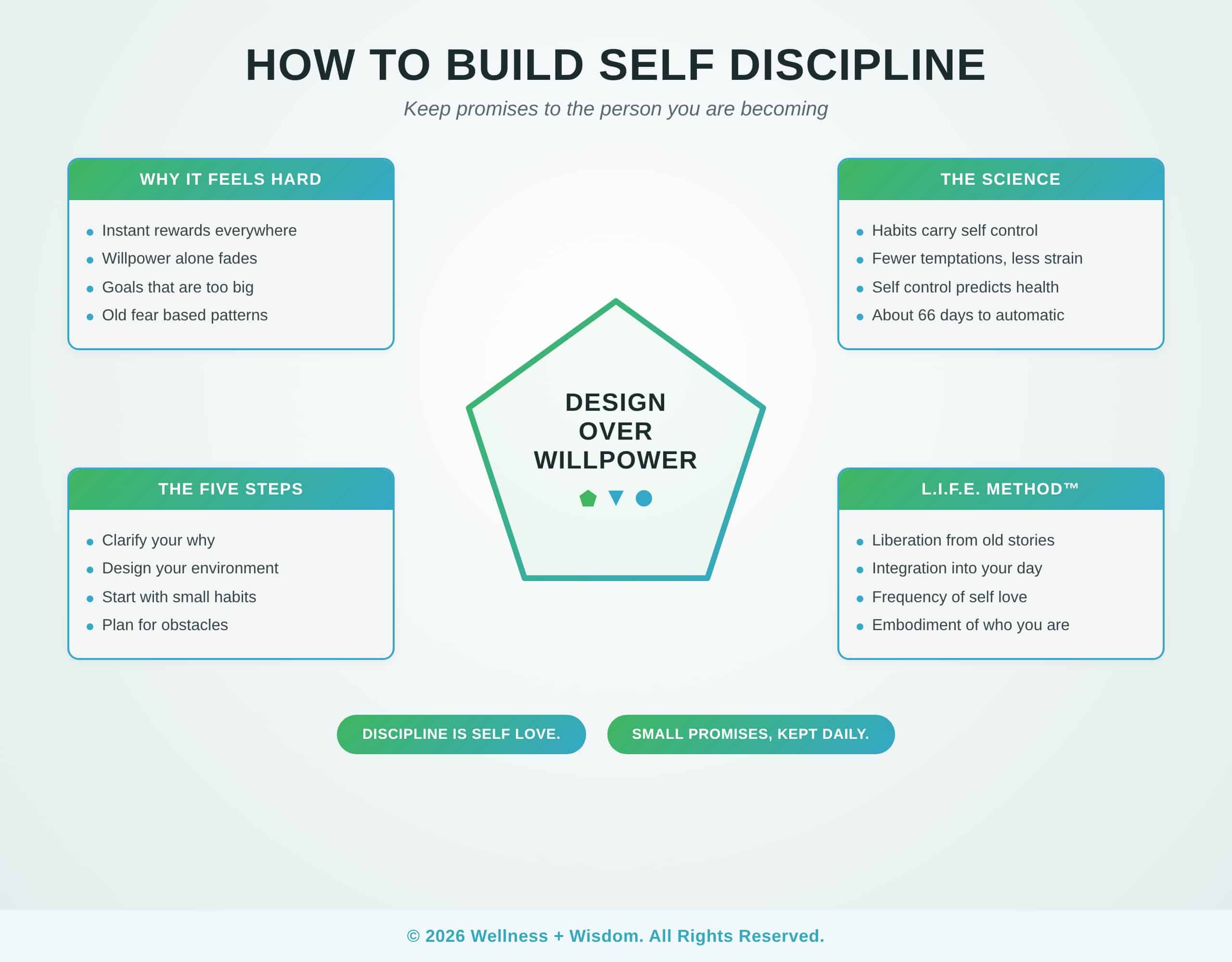
The science of self discipline shows that people with strong self control rely more on helpful habits than on constant willpower, that they encounter fewer temptations in the first place, that self control in childhood predicts a wide range of adult outcomes, and that new habits become automatic through consistent repetition. Discipline is less about force and more about design.
Start with habits. In a study published in the Journal of Personality and Social Psychology, Brian Galla and Angela Duckworth found that people with higher self control tended to have more beneficial habits, like regular exercise and consistent study routines, and that these habits helped explain why self control was linked to better outcomes. The disciplined people in their studies were not straining harder. Their good behaviors had become automatic.
Next, consider temptation. In an experience sampling study published in the same journal, Wilhelm Hofmann, Roy Baumeister, and colleagues had adults report their desires and temptations throughout the day. People with higher self control reported fewer and weaker temptation conflicts, suggesting that much of their success came from structuring their lives to avoid temptation rather than resisting it in the moment.
The long term stakes are significant. A landmark study by Terrie Moffitt and colleagues in the Proceedings of the National Academy of Sciences followed about 1,000 children from birth into adulthood and found that childhood self control predicted adult health, financial stability, and other important outcomes, with a gradient across the whole range. The researchers emphasized that self control can be strengthened, which makes building it a valuable investment at any age. And research by Phillippa Lally and colleagues in the European Journal of Social Psychology found that new daily behaviors took an average of about 66 days to become automatic, with missing a single day making little difference. Consistency over time is what matters.
How to Build Self Discipline
You learn how to build self discipline by clarifying your why, designing your environment, starting with small habits, planning for obstacles, and treating yourself with compassion when you slip. These five steps reduce your reliance on willpower and help discipline become a natural part of who you are. Here is how I practice and teach them.
1. Clarify Your Why
Discipline is far easier when you know exactly why something matters to you. Write down the deeper reason behind your goal. Not “I want to exercise,” but “I want to have the energy to play with my kids and feel strong in my body for decades.” A clear, heartfelt why gives you something to return to when motivation dips. If you are still discovering what matters most, the practices in how to find your purpose can help.
2. Design Your Environment
Make the disciplined choice the easy choice and the distracting choice the hard one. Put your phone in another room while you work. Keep healthy food visible and treats out of sight. Lay out your workout clothes the night before. As the research shows, disciplined people often succeed by avoiding temptation rather than fighting it. Your environment can do much of the heavy lifting for you.
3. Start With Small Habits
Choose one small, specific habit and repeat it daily until it becomes automatic. Ten minutes of reading. Five minutes of breathing. A short walk after lunch. Small habits are easier to keep, and once they are automatic, they require very little willpower. You can stack more on top over time. This is the same approach explored in how to build healthy habits.
4. Plan for Obstacles
Think ahead about what might get in your way and decide in advance how you will respond. “If I feel too tired to work out after work, then I will do a ten minute walk instead.” “If I get the urge to scroll, then I will take three slow breaths and return to my task.” These simple if then plans make it much easier to stay on track when challenges arise, because the decision has already been made.
5. Treat Yourself With Compassion
You will slip. Everyone does. What matters is how you respond. Harsh self criticism tends to make people give up, while kindness helps them get back on track. When you miss a day, acknowledge it, learn from it, and return to your habit the next day. This gentle resilience is the heart of lasting discipline, and it is beautifully explored in how to practice self compassion.
Start with just one of these steps this week. Small, steady progress beats dramatic changes that fade. And if you would love support and accountability, the Liberated Life Tribe is a warm community to grow with.
Discipline From Love Versus Discipline From Fear
Discipline that comes from love lasts far longer than discipline that comes from fear. Both can get you moving in the short term, but they feel completely different and lead to very different results over time.
Fear based discipline sounds like, “If I do not work out, I will hate my body.” “If I do not finish this, I am a failure.” It runs on shame, pressure, and the threat of feeling bad about yourself. It can create bursts of effort, but it is exhausting, and it tends to collapse into burnout or rebellion. Many people bounce between rigid control and complete abandonment of their goals because fear based discipline cannot sustain itself.
Love based discipline sounds different. “I move my body because I love how alive it makes me feel.” “I protect my sleep because I care about the person I am tomorrow.” It runs on self respect, values, and genuine care. It is more forgiving, more flexible, and far more sustainable. When you slip, love based discipline says, “That is okay, let us begin again,” rather than, “See, you always fail.” If your inner voice tends toward harshness, the practices in how to quiet your inner critic can help you shift toward discipline that feels like love.
How to Build Self Discipline With the L.I.F.E. Method™
The L.I.F.E. Method™ offers a complete framework for self discipline through four pillars: Liberation, Integration, Frequency, and Embodiment. Each pillar addresses a different reason discipline can feel hard, and together they help consistent action become an expression of who you are.
Liberation means freeing yourself from old stories about discipline, like “I have no willpower” or “I never stick with anything.” These beliefs often formed long ago and no longer reflect your potential. Noticing and gently releasing them creates space for a new identity to emerge.
Integration means weaving your disciplined actions into the life you already live. Rather than adding a separate routine on top of everything, attach new habits to existing ones and shape your environment to support them. When discipline fits into your natural rhythms, it stops feeling like extra effort.
Frequency is about the energy and emotional state you bring to your goals. When you act from a frequency of joy, gratitude, and self love, discipline feels nourishing. When you act from fear or guilt, it feels draining. Your inner state shapes how sustainable your discipline will be.
Embodiment means letting discipline live in your body, not just your mind. Every time you follow through, you feel the identity of a disciplined person settle a little deeper into your cells. Over time, discipline becomes less about doing and more about being. This shift is explored beautifully in embodiment, the missing piece between knowing and doing.
Celebrating Every Kept Promise
Celebrating every kept promise to yourself is one of the most effective ways to strengthen self discipline. Your brain learns through reward, so when you notice and appreciate your follow through, you make it more likely you will follow through again.
Many people only celebrate big milestones, like finishing a marathon or completing a major project. But discipline is built in the small moments. Celebrate the morning you got up when your alarm rang. Celebrate the evening you chose rest over one more hour of work. Celebrate the time you felt the urge to quit and kept going anyway. A smile, a check mark, or a quiet “well done” is enough.
Over time, this practice changes how discipline feels. Instead of a constant struggle, it becomes a series of small victories that you look forward to. Your sense of self trust grows, and with it, your confidence to take on bigger goals. There is a whole practice around this in celebrating small wins, and it is one of my favorite tools for lasting change.
Discipline Is a Lifelong Practice
Self discipline is a lifelong practice, because every new season of life brings new goals, new temptations, and new opportunities to grow. You will not reach a point where discipline is effortless in every area. But you will notice that it gets easier in the areas where you have practiced it consistently.
Some seasons will feel smooth, and your habits will run almost on autopilot. Other seasons, like a new job, a move, illness, or a family change, may disrupt your routines. That is completely normal. When it happens, return to the basics. Clarify your why, simplify your habits, and begin again with the smallest step. Each time you return, you strengthen your ability to recover.
A simple weekly review can keep your discipline growing. Once a week, take ten minutes to look at what went well, where you got stuck, and what small adjustment would make next week easier. Maybe your morning habit works beautifully but your evening one keeps slipping because you are too tired. That is useful information, not a failure. Perhaps the evening habit moves to lunchtime, or shrinks to something smaller. Treat your life like a gentle experiment, and your discipline will keep adapting to fit who you are becoming.
This is where the Wellness Pentagon™ becomes helpful. Discipline often gets harder when other parts of life are depleted. Poor sleep, high stress, emotional overwhelm, spiritual disconnection, or money worries all make it harder to follow through. Caring for every dimension of your wellbeing, including your Connection to Creator and God, gives your discipline a stronger foundation. You will find many guests sharing their own approaches to discipline and consistency across our latest episodes.
When Discipline Feels Out of Reach
If discipline feels out of reach right now, you are in very good company, and it is completely understandable. Learning how to build self discipline does not mean you will suddenly have perfect follow through. It means you will gently strengthen your consistency, a little at a time, at a pace that honors where you are.
When discipline feels hard, make the step smaller. If you cannot exercise for thirty minutes, do five. If you cannot write a chapter, write a paragraph. If you cannot meditate for ten minutes, take three conscious breaths. The size of the action matters far less than the act of showing up. Small wins rebuild self trust, and self trust makes the next step easier. Supportive tools like a habit tracker, a quality planner, or a breath training device can help, and you can find a few we trust in our wellness tools store.
It is also worth knowing that persistent difficulty with follow through can sometimes be connected to challenges like attention differences, depression, or chronic stress. If you feel stuck despite your best efforts, a qualified health professional can offer compassionate support. There is real strength in asking for help. Wherever you are, be patient and kind with yourself, and trust that learning how to build self discipline is something you can absolutely grow, one kept promise at a time. If stress is making consistency harder, the practices in neural system regulation are a gentle next step.
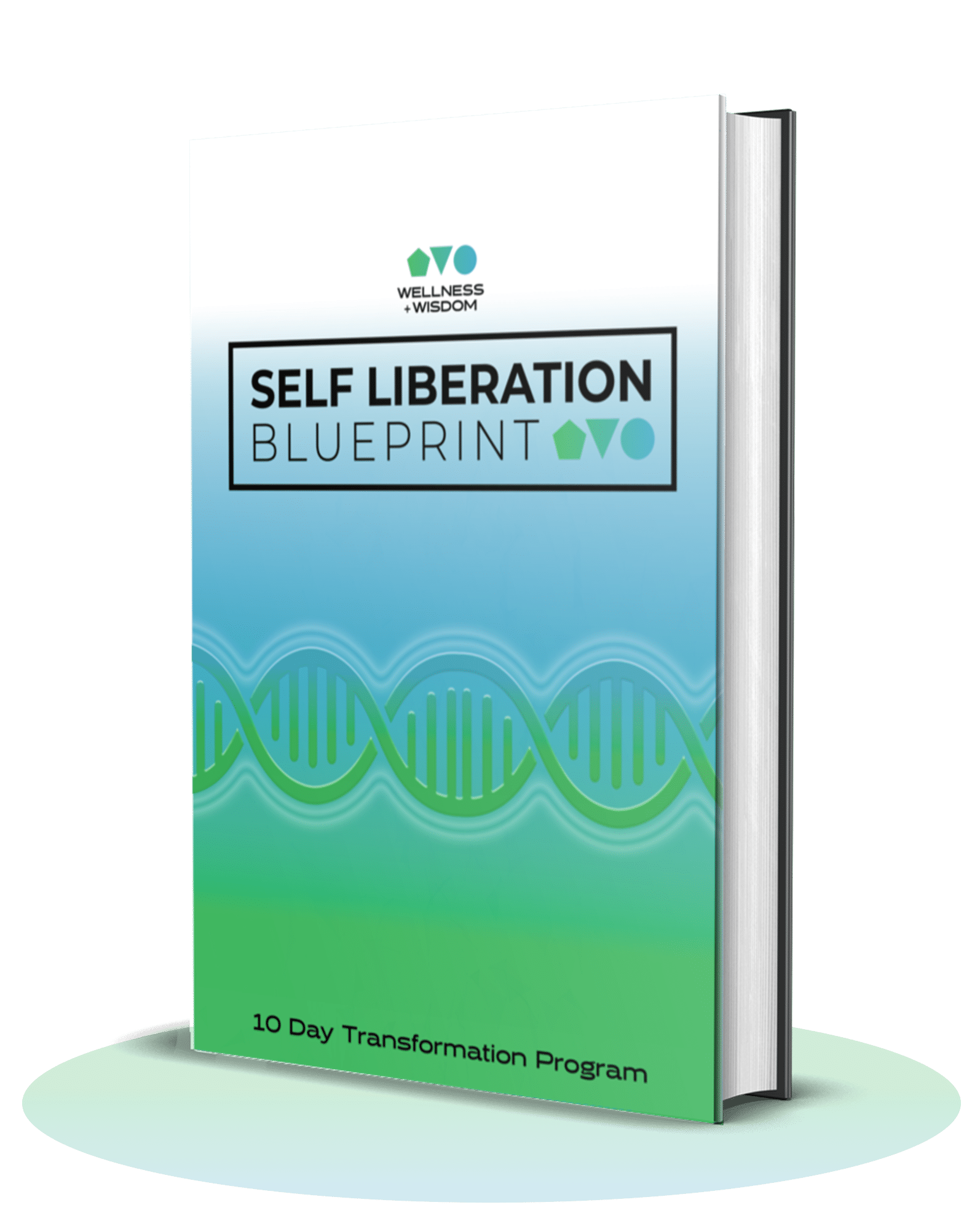
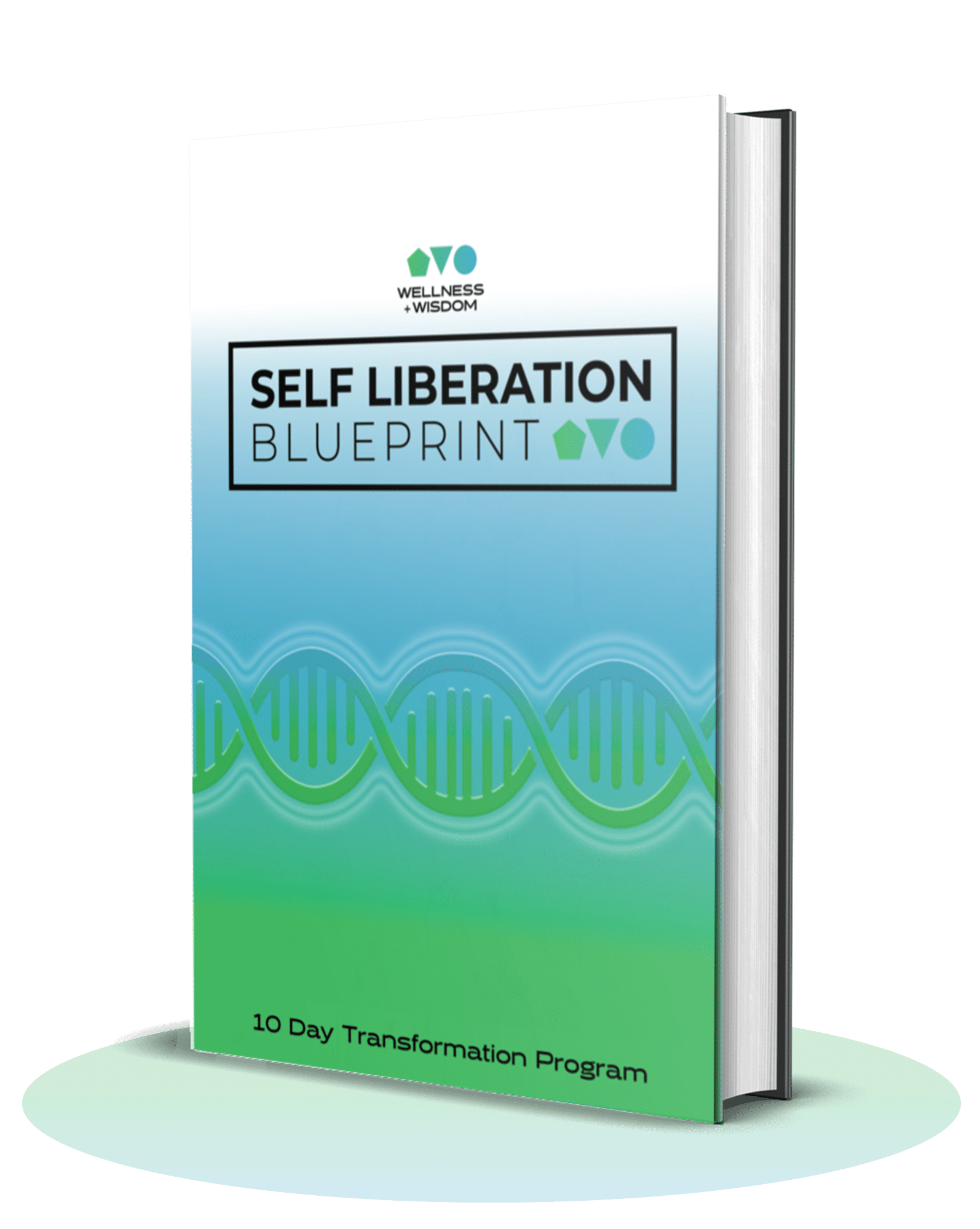
Ready to go deeper? Join the Liberated Life Tribe and receive your 10 day Self Liberation Blueprint at liberatedlife.com. It is free, it is guided, and each day gives you one small, doable practice that builds consistency from the inside out. A daily breath practice with BREATHE™ is a beautiful first habit to build.
Frequently Asked Questions
How do I build self discipline from scratch?
Start by clarifying why your goal matters to you, then choose one small habit you can repeat daily. Design your environment to make that habit easy, plan in advance for obstacles, and treat yourself kindly when you slip. Consistency with small actions builds discipline far more reliably than ambitious bursts of effort.
Is self discipline the same as willpower?
Not exactly. Willpower is the effort of resisting an impulse in the moment. Research shows that people with strong self discipline often rely less on willpower because they have built helpful habits and environments that reduce temptation. Discipline is more about design and consistency than constant resistance.
How long does it take to build discipline?
Research on habit formation found that new daily behaviors took an average of about 66 days to become automatic, with a wide range depending on the person and habit. Missing a single day had little effect. Building discipline is a gradual process that gets easier as habits form.
Why do I lose discipline so quickly?
Discipline often fades when it relies on willpower alone, when goals are too ambitious, or when stress, poor sleep, or emotional strain deplete your energy. Shrinking your goals, shaping your environment, and caring for your overall wellbeing make discipline much easier to sustain.
Can self discipline be learned as an adult?
Yes. While self control in childhood predicts many adult outcomes, researchers emphasize that it can be strengthened at any age. Building small habits, practicing if then planning, and treating yourself with compassion all help develop greater self discipline over time.
How do I stay disciplined without being too hard on myself?
Ground your discipline in love rather than fear. Focus on what you value rather than what you want to avoid, celebrate small wins, and respond to slips with kindness. Research shows self compassion helps people return to their goals more readily than harsh self criticism does.
Studies and External Resources
The science in this article rests on peer reviewed research. These are the sources referenced throughout.
- Galla BM, Duckworth AL. (2015). More than resisting temptation: Beneficial habits mediate the relationship between self control and positive life outcomes. Journal of Personality and Social Psychology. PubMed: 25643222
- Hofmann W, Baumeister RF, et al. (2012). Everyday temptations: an experience sampling study of desire, conflict, and self control. Journal of Personality and Social Psychology. PubMed: 22149456
- Moffitt TE, et al. (2011). A gradient of childhood self control predicts health, wealth, and public safety. Proceedings of the National Academy of Sciences. PubMed: 21262822
- Lally P, van Jaarsveld CHM, Potts HWW, Wardle J. (2010). How are habits formed: Modelling habit formation in the real world. European Journal of Social Psychology. DOI: 10.1002/ejsp.674
About Josh Trent
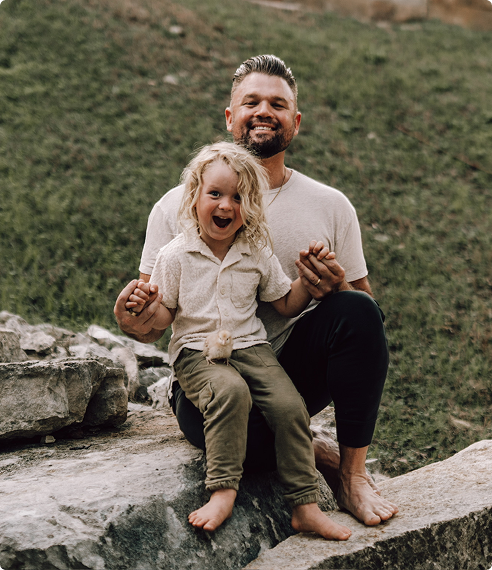
Josh Trent is an Identity Transformation Architect and the award winning host of the Wellness + Wisdom Podcast, with over 15 million downloads since 2015. He is the creator of the L.I.F.E. Method™ Identity Transformation System and steward of the Emotional Epigenetics™ and BREATHE: Breath + Wellness™ systems of self mastery, impacting over 1,000 students worldwide. Join the Liberated Life Tribe and receive your 10 day Self Liberation Blueprint at liberatedlife.com. Josh lives in Austin, Texas with his wife Carrie, daughter Nayah, and son Novah. Peace and power.
Disclosure: We may earn a commission from certain links on this site when you make a purchase, at no extra cost to you. These commissions help support Wellness + Wisdom and do not affect the products or resources we choose to recommend. Full disclosure .