By Josh Trent | Wellness + Wisdom Podcast Host & Identity Transformation Architect
“Patience is not waiting. It is trusting while you wait. Learning how to be more patient is learning that life is unfolding for you, not against you, even when it moves slower than you hoped.”
Josh Trent
Learning how to be more patient is one of the most peace giving practices you can bring into your life, because so much of our daily frustration comes from wanting things to move faster than they do. The traffic, the slow line, the child who will not put on their shoes, the dream that has not arrived yet. We live in a world of instant everything, and our patience has quietly worn thin. Yet patience is not a fixed trait you either have or lack. It is a skill and a spiritual practice that can grow, and when it does, it transforms how you experience your relationships, your goals, and your own heart. Patience touches every dimension of the Wellness Pentagon™.
Here is the joy forward truth at the center of it all. Patience is not passive waiting or gritting your teeth until something finally happens. It is an active, peaceful trust that good things take time, that people are doing their best, and that your life has a rhythm worth honoring. When you learn how to be more patient, you stop fighting the pace of life and start savoring it. Let us explore exactly how.
Table of Contents
- What Patience Really Is
- Why Patience Feels So Hard Today
- The Gift of a Patient Heart
- The Science of Patience
- How to Be More Patient
- Patience Versus Passivity
- How to Be More Patient With the Wellness Pentagon™
- Celebrating Moments of Patience
- Patience Is a Lifelong Practice
- When Patience Runs Thin
- Frequently Asked Questions
- Studies and External Resources
- About Josh Trent
What Patience Really Is
Patience is the ability to stay calm, kind, and grounded while waiting, facing delays, or dealing with difficulty, without letting frustration take over. It is a steady inner state that allows you to tolerate the gap between what you want and what is happening right now.
Patience shows up in many forms. There is the everyday patience of waiting in line or sitting in traffic without boiling over. There is the interpersonal patience of staying kind with a struggling child, a slow coworker, or an aging parent. And there is the deep, long term patience of working toward a dream for years, trusting that your efforts are adding up even when results are not yet visible. Each form asks something slightly different of you, and each one can be strengthened.
At its heart, patience is a form of trust. It trusts that growth takes time, that people are on their own journey, and that life unfolds in its own season. Across spiritual traditions, patience has been honored as a virtue precisely because it reflects faith in something larger than our own timeline. That faith is part of what we mean by Connection to Creator and God, and it is a theme we explore often on the Wellness + Wisdom Podcast.
Why Patience Feels So Hard Today
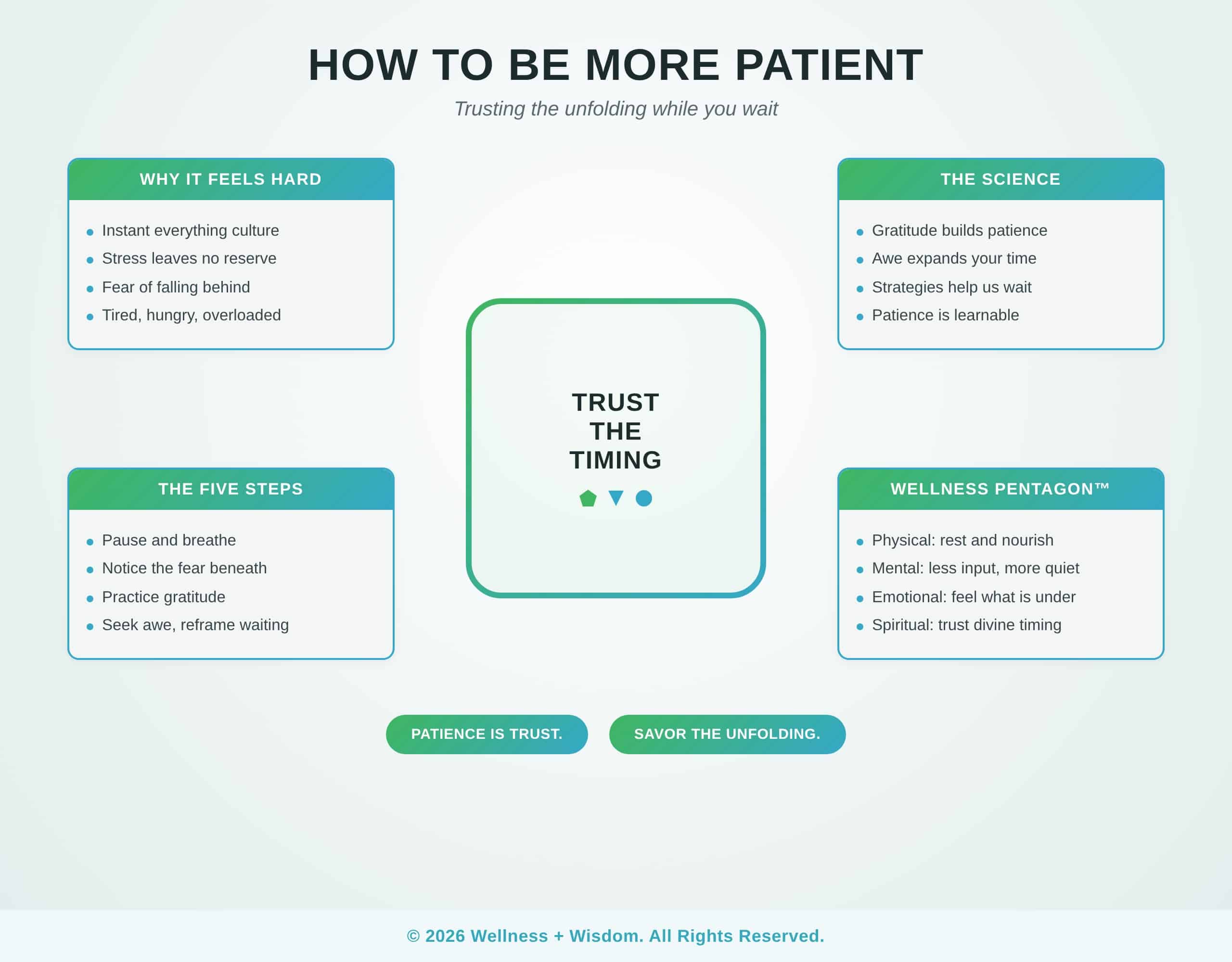
Patience feels hard today because modern life has trained us to expect instant results, and our neural systems are often running on stress that leaves little room for calm waiting. Same day delivery, instant messaging, endless streaming, and immediate answers to any question have reshaped our expectations. When something takes longer than we expect, frustration rises quickly.
Stress plays a huge role. When your body is already tense and depleted, small delays feel enormous. A slow internet connection or a missed green light can tip you into irritation, not because the event itself is so important, but because your system has no reserve left. Lack of sleep, hunger, and overwhelm all shrink patience dramatically. If this feels familiar, the practices in how to slow down are a beautiful place to start.
There is also a deeper layer. Impatience often hides fear. Fear that we will not get what we need, that we are falling behind, that if we stop pushing, everything will fall apart. When we look beneath our impatience, we often find a part of us that does not yet trust that life will provide. Seeing this clearly replaces frustration with compassion. It is closely tied to the gentle work of learning to trust the process and to let go of control.
The Gift of a Patient Heart
A patient heart gives you more peace, kinder relationships, wiser decisions, and the ability to stay the course on long term dreams. When you can wait without suffering, life becomes far more enjoyable, because you are no longer at war with its pace.
Your relationships feel the difference first. Patience allows you to listen fully, respond gently, and give people room to grow. Children feel safer with patient parents. Partners feel more loved by patient partners. Friends and coworkers feel respected. So much conflict comes from impatience, from wanting people to change faster, understand quicker, or behave differently right now. Patience softens all of that, which connects beautifully to navigating difficult conversations with calm.
Patience also leads to wiser choices. When you are not rushing, you have time to think, consider options, and act from clarity rather than urgency. And it allows you to pursue meaningful long term goals. Almost everything worth having, a deep relationship, a healthy body, a fulfilling career, a strong spiritual life, takes time to build. Patience is what keeps you going while the seeds you have planted grow beneath the surface. Here is the part I love most. When you become patient, you start to notice the beauty of the waiting itself. The journey becomes as meaningful as the destination.
The Science of Patience
The science of patience shows that gratitude makes people more willing to wait for larger future rewards, that awe expands our sense of available time and reduces impatience, and that the ability to delay gratification is shaped by strategies and environment rather than fixed at birth. Patience can be cultivated.
Start with gratitude. In research published in Psychological Science, David DeSteno and colleagues found that people who were feeling grateful were more willing to wait for a larger financial reward later rather than taking a smaller one immediately, compared with people feeling neutral or simply happy. Gratitude appears to naturally strengthen patience, which makes it one of the most practical tools you can use.
Awe helps too. In a study published in Psychological Science, Melanie Rudd, Kathleen Vohs, and Jennifer Aaker found that experiencing awe, the feeling of being in the presence of something vast, made people feel they had more time available, reduced their impatience, increased their willingness to give their time to others, and boosted their momentary life satisfaction. Moments of wonder, whether in nature, art, or prayer, quite literally expand our sense of time, giving us more room to breathe, to listen, and to respond with grace rather than hurry.
Finally, consider the famous marshmallow research. Walter Mischel and colleagues, summarized in Science, found that children's ability to wait for a larger treat depended heavily on the strategies they used, like distracting themselves or thinking about the treat in a less tempting way. A later and larger study led by Tyler Watts in Psychological Science found that the link between early waiting ability and later achievement was smaller than once thought and was strongly shaped by children's backgrounds and environments. The encouraging message is clear: patience is not a fixed trait. It is shaped by strategies, circumstances, and practice.
How to Be More Patient
You learn how to be more patient by pausing and breathing, noticing what is beneath your impatience, practicing gratitude, seeking moments of awe, and reframing waiting as an opportunity. These five steps help you meet delays and difficulties with more calm and grace. Here is how I practice and teach them.
1. Pause and Breathe
When you feel impatience rising, take a slow breath with a long exhale. This simple pause interrupts the rush of frustration and gives your body a chance to settle. You might silently say, “I have time for this breath.” Over time, this becomes your automatic response to delays. A daily breath practice like box breathing or BREATHE™ builds a calmer baseline so patience comes more easily.
2. Notice What Is Beneath the Impatience
Ask yourself, “What am I afraid will happen if this takes longer?” Often impatience hides a fear of falling behind, not being enough, or losing control. Naming that fear softens it. You can then offer yourself reassurance: “I am not behind. Things are unfolding as they should.” This inner honesty turns impatience into self understanding.
3. Practice Gratitude
As the research shows, gratitude naturally strengthens patience. When you feel impatient, look for three things you are grateful for in that very moment. The warmth of the car. The song on the radio. The child who is taking forever to tie their shoes but is learning to do it themselves. Gratitude shifts your focus from what is missing to what is already here, which is explored beautifully in how to cultivate daily gratitude.
4. Seek Moments of Awe
Make room for wonder in your daily life. Step outside and look at the sky. Watch a sunset. Listen to beautiful music. Spend time in prayer or quiet reflection. Awe expands your sense of time and reminds you that you are part of something much larger than your current to do list. These moments recharge your patience and fill you with perspective.
5. Reframe Waiting as Opportunity
Instead of seeing waiting as wasted time, see it as a gift. A long line becomes a chance to breathe and be present. A delayed project becomes time to refine your work. A slow season in life becomes space for rest and reflection. This reframe transforms waiting from a source of frustration into a moment of presence, which pairs naturally with the practices in how to practice mindfulness.
Patience with yourself deserves special attention. Many people are gentle with others but harsh with their own pace of growth. They expect to heal overnight, master new skills instantly, or change lifelong habits in a week. When progress feels slow, they criticize themselves, which only adds pressure. Try offering yourself the same patience you would offer a friend learning something new. Growth happens in seasons, and there is often far more happening beneath the surface than you can see. A seed underground looks like nothing is happening, until one day it breaks through the soil. Your growth works the same way.
Start with one of these practices the next time you feel impatient. Notice how it shifts your experience. Every moment of patience counts. And if you would love support from a community walking the same path, the Liberated Life Tribe is a warm place to grow.
Patience Versus Passivity
Patience is not the same as passivity. Patience means staying calm and engaged while trusting the process, while passivity means giving up your agency and simply waiting for life to happen to you. True patience is active, intentional, and grounded.
Passivity says, “There is nothing I can do, so I will just wait.” It can lead to stagnation, resignation, and a sense of helplessness. It may look like patience on the surface, but underneath it often hides avoidance or hopelessness. Passive waiting rarely leads to growth.
Patience says, “I will do my part, and I will trust the timing of what I cannot control.” It keeps you showing up, putting in the effort, and taking aligned action, while releasing the need to force outcomes. A patient gardener still waters the seeds every day. They simply do not dig them up to check whether they are growing. This balance of effort and surrender is at the heart of spiritual maturity, and it connects to the peace explored in how to make peace with uncertainty.
How to Be More Patient With the Wellness Pentagon™
The Wellness Pentagon™ shows that patience is shaped by every dimension of your life: physical, mental, emotional, spiritual, and financial. When each area is cared for, patience comes far more naturally, because you are no longer running on empty.
Physical. Patience shrinks when you are tired, hungry, or depleted. Protect your sleep, nourish your body, and move regularly. A well cared for body has far more capacity for calm. This is a beautiful way to honor your body and your relationships at the same time.
Mental. An overloaded mind has little room for patience. Reduce unnecessary input, take breaks from screens, and give your mind regular moments of quiet. A calmer mind tolerates delays far more easily.
Emotional. Unprocessed feelings often surface as impatience. When you notice irritation, check in with what else might be going on underneath. Giving your emotions attention reduces the pressure that leaks out as frustration.
Spiritual. Patience is deeply spiritual. Prayer, meditation, and reflection nurture your Connection to Creator and God and help you trust a timing larger than your own. Many people find that surrendering their timeline to a higher wisdom brings a profound sense of peace.
Financial. Money pressure is one of the biggest sources of impatience. Building a calmer relationship with money, through planning, gratitude, and realistic expectations, reduces the urgency that fuels frustration. To go deeper with the whole framework, explore our L.I.F.E. Method™ programs.
Celebrating Moments of Patience
Celebrating moments of patience helps strengthen this quality over time. Your brain learns through reward, so when you notice and appreciate a moment when you stayed calm, you make it easier to stay calm the next time.
Think about a recent moment when you were patient. Maybe you stayed kind while your child struggled with homework. Maybe you breathed through a frustrating delay instead of snapping. Maybe you kept working toward a goal even though progress felt slow. These moments matter. Take a few seconds to acknowledge them. “I handled that with patience, and I am proud of myself.”
You can also celebrate the patience of others. When someone waits for you, listens to you without rushing, or gives you grace, thank them. This creates a culture of patience in your relationships and family. There is a whole practice around honoring these moments in celebrating small wins, and it makes the journey feel joyful.
Patience Is a Lifelong Practice
Patience is a lifelong practice, because every season of life brings new reasons to wait and new opportunities to trust. Raising children, building a career, healing from loss, caring for aging parents, and pursuing dreams all ask for patience in different ways. You will never be finished growing it, and that is part of its beauty.
Some days, patience will feel easy and natural. Other days, especially when you are stressed or tired, it will feel nearly impossible. That is completely normal. On hard days, be patient with your own impatience. Notice it with compassion, take a breath, and try again. Every return to patience strengthens the practice.
Children are some of our greatest teachers of patience. They move at their own pace, ask the same question many times, and experience the world with fresh wonder. When you slow down to meet a child where they are, you not only give them a gift, you receive one too: a reminder that life is meant to be experienced, not rushed through. The same is true with aging parents, new team members, and anyone learning something unfamiliar.
Over time, many people find that patience changes not only how they act but how they experience life. The world feels less rushed. Relationships feel more spacious. Dreams feel less urgent and more meaningful. There is a deep peace in knowing you do not have to force everything, that you can do your part and trust the rest. This peace is closely connected to finding inner peace in a busy world. You will find many guests sharing their own wisdom on patience and trust across our latest episodes.
When Patience Runs Thin
If your patience feels thin right now, you are in very good company, and it is completely understandable. Learning how to be more patient does not mean you will never feel frustrated again. It means you will gently build your capacity for calm and trust, a little at a time, at a pace that honors where you are.
When patience runs out, start with the smallest step. One slow breath. One grateful thought. One moment of stepping away before you respond. If you notice a pattern of impatience at certain times, like the morning rush or the end of a long workday, plan ahead with a little extra time or a short reset ritual. Caring for your basic needs, like sleep and food, also makes a big difference. Supportive tools like a breath training device or a gratitude journal can help, and you can find a few we trust in our wellness tools store.
It is also worth knowing that persistent irritability, especially when combined with exhaustion, low mood, or difficulty sleeping, can sometimes signal stress or health concerns that deserve care from a qualified professional. There is real strength in asking for help. Wherever you are, be patient and kind with yourself, and trust that learning how to be more patient is something you can absolutely grow, one breath and one moment at a time. If stress is wearing your patience down, the practices in neural system regulation are a gentle next step.
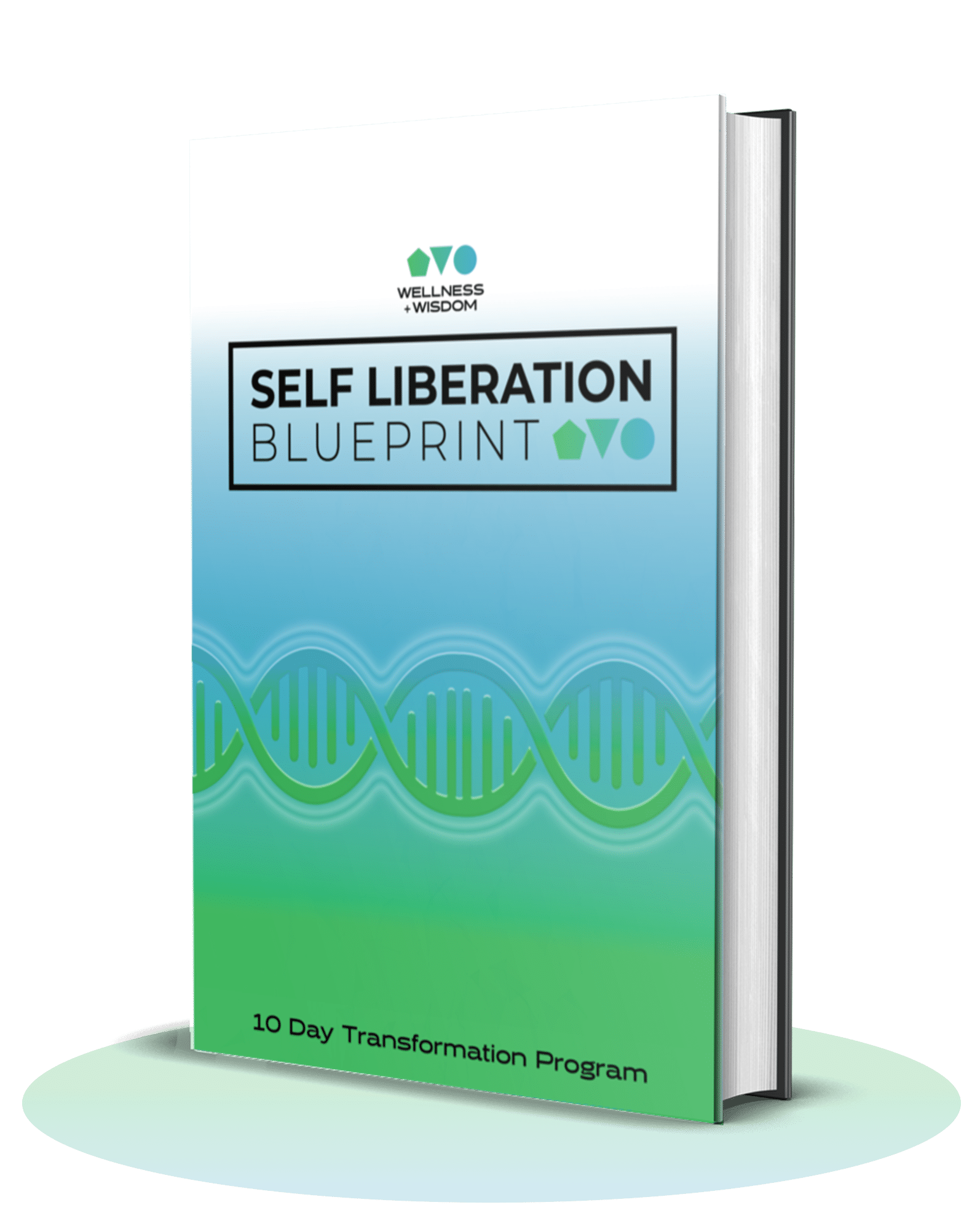
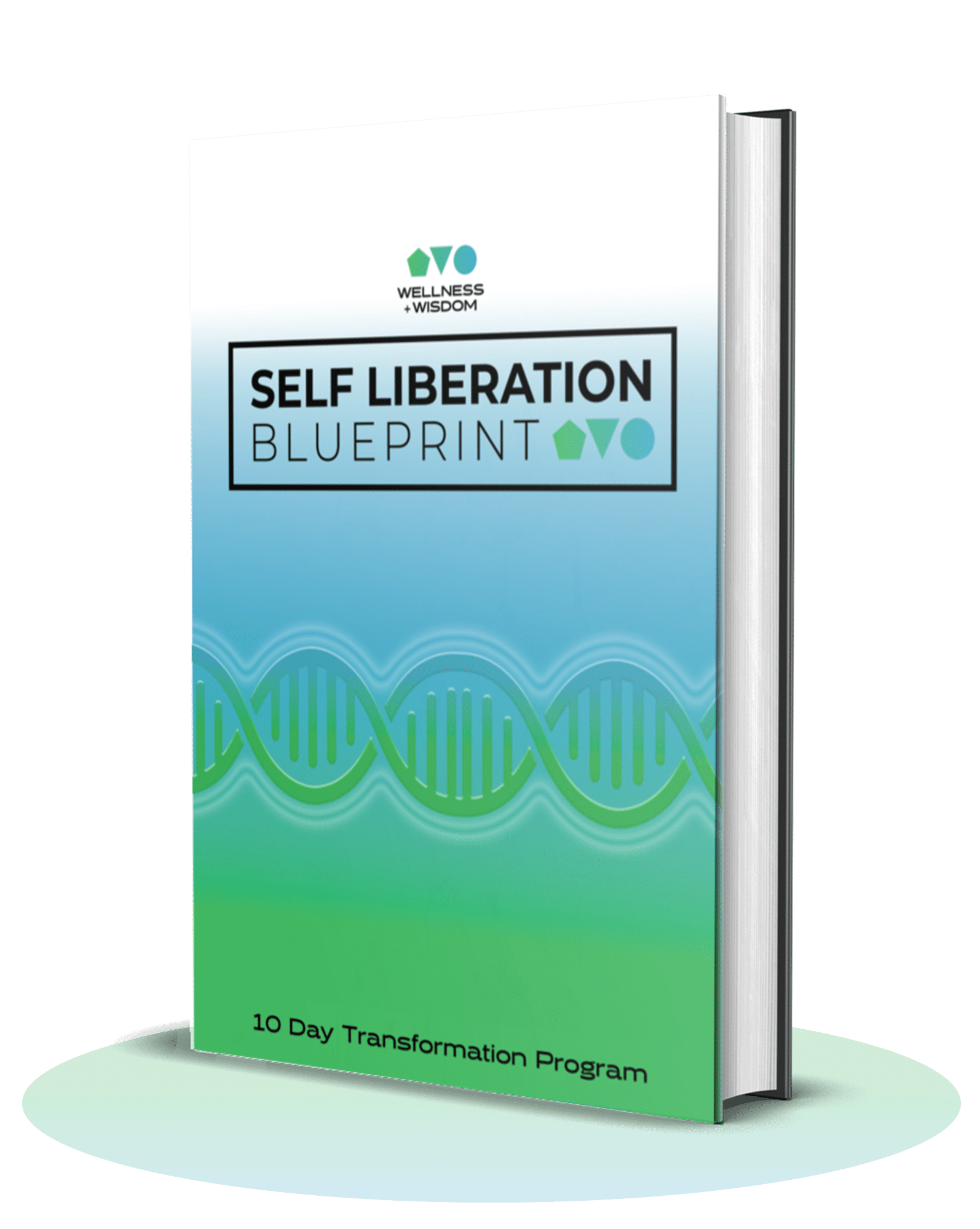
Ready to go deeper? Join the Liberated Life Tribe and receive your 10 day Self Liberation Blueprint at liberatedlife.com. It is free, it is guided, and each day offers a simple practice for meeting life with more calm, trust, and grace.
Frequently Asked Questions
How can I become more patient?
Pause and take a slow breath when impatience rises, notice the fear beneath it, practice gratitude in the moment, seek out experiences of awe, and reframe waiting as an opportunity for presence. Caring for your sleep, stress, and spiritual life also makes patience come far more naturally.
Is patience something you are born with?
No. Research on delayed gratification shows that patience depends heavily on strategies, circumstances, and environment. A large study found that early waiting ability was less predictive of later outcomes than once thought. Patience is a skill that can be practiced and strengthened at any age.
Does gratitude really help with patience?
Yes. Research by David DeSteno and colleagues found that people feeling grateful were more willing to wait for a larger future reward than people feeling neutral or simply happy. Practicing gratitude is one of the most practical ways to strengthen patience in everyday life.
Why do I lose my patience so easily?
Stress, fatigue, hunger, and overwhelm all shrink your capacity for patience. Modern life also trains us to expect instant results. Impatience can hide fears about falling behind or losing control. Caring for your basic needs and noticing what lies beneath your frustration can help.
What is the difference between patience and passivity?
Patience means staying engaged and doing your part while trusting the timing of what you cannot control. Passivity means giving up your agency and simply waiting. A patient person keeps showing up with effort and care, without forcing outcomes or giving up.
How is patience connected to spirituality?
Across traditions, patience reflects trust in something larger than our own timeline. Prayer, meditation, and reflection nurture Connection to Creator and God and help us surrender our need to control outcomes. Research also shows that awe, often found in spiritual moments, reduces impatience.
Studies and External Resources
The science in this article rests on peer reviewed research. These are the sources referenced throughout.
- DeSteno D, et al. (2014). Gratitude: a tool for reducing economic impatience. Psychological Science. PubMed: 24760144
- Rudd M, Vohs KD, Aaker J. (2012). Awe expands people's perception of time, alters decision making, and enhances well being. Psychological Science. PubMed: 22886132
- Mischel W, Shoda Y, Rodriguez MI. (1989). Delay of gratification in children. Science. PubMed: 2658056
- Watts TW, Duncan GJ, Quan H. (2018). Revisiting the Marshmallow Test: A Conceptual Replication Investigating Links Between Early Delay of Gratification and Later Outcomes. Psychological Science. PubMed: 29799765
About Josh Trent
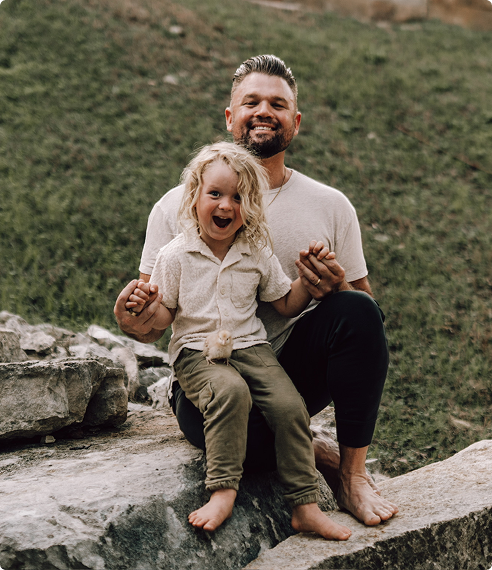
Josh Trent is an Identity Transformation Architect and the award winning host of the Wellness + Wisdom Podcast, with over 15 million downloads since 2015. He is the creator of the L.I.F.E. Method™ Identity Transformation System and steward of the Emotional Epigenetics™ and BREATHE: Breath + Wellness™ systems of self mastery, impacting over 1,000 students worldwide. Join the Liberated Life Tribe and receive your 10 day Self Liberation Blueprint at liberatedlife.com. Josh lives in Austin, Texas with his wife Carrie, daughter Nayah, and son Novah. Peace and power.
Disclosure: We may earn a commission from certain links on this site when you make a purchase, at no extra cost to you. These commissions help support Wellness + Wisdom and do not affect the products or resources we choose to recommend. Full disclosure .