
By Josh Trent | Wellness + Wisdom Podcast Host & Identity Transformation Architect
“Energy is not something you find at the bottom of a coffee cup. It is something you build, one small choice at a time, by caring for the body and spirit that carry you through every day.”
Josh Trent
Learning how to boost your energy naturally is one of the most life changing things you can do, because energy is the fuel for everything you care about: your work, your relationships, your dreams, and your joy. So many people move through their days feeling tired, relying on caffeine to get started and sugar to get through the afternoon, then collapsing in the evening with nothing left for the people and passions they love. That cycle is exhausting, and it is far more common than it should be. The good news is that your body is designed to produce steady, vibrant energy when it gets what it needs. Small, natural changes in how you move, hydrate, rest, and live can make a profound difference. Energy touches every dimension of the Wellness Pentagon™, and that is exactly where we will look.
Here is the joy forward truth at the center of it all. You do not need extreme routines, expensive supplements, or perfect discipline to feel more alive. You need a handful of simple habits that support how your body naturally creates energy, practiced consistently. When you learn how to boost your energy naturally, you stop borrowing energy from tomorrow and start building a steady supply for today. Let us explore exactly how.
Table of Contents
- What Natural Energy Really Is
- Why So Many of Us Feel Drained
- The Gift of Steady Energy
- The Science of Energy
- How to Boost Your Energy Naturally
- Steady Energy Versus Quick Fixes
- How to Boost Your Energy Naturally With the Wellness Pentagon™
- Celebrating Your Vitality
- Vitality Is a Lifelong Practice
- When You Feel Tired All the Time
- Frequently Asked Questions
- Studies and External Resources
- About Josh Trent
What Natural Energy Really Is
Natural energy is the steady, sustained vitality your body produces when it is well rested, well nourished, well hydrated, regularly moved, and emotionally supported. It feels different from the jittery rush of caffeine or the short spike of sugar. It is calm, clear, and lasting, carrying you through the day without dramatic highs and crashes.
Your energy comes from many sources working together. Physically, your body converts food and oxygen into fuel at the cellular level. Mentally, a clear and engaged mind feels more energized than a cluttered or bored one. Emotionally, joy, connection, and purpose lift your energy, while stress, conflict, and suppressed feelings drain it. Spiritually, a sense of meaning and connection to something larger can be a deep and renewing source of vitality.
That is why boosting energy is rarely about one magic fix. It is about caring for your whole self. When you sleep well, move often, drink enough water, eat nourishing food, connect with people you love, and spend time doing things that matter to you, energy tends to rise naturally. This whole person approach to vitality is something we explore often on the Wellness + Wisdom Podcast.
Why So Many of Us Feel Drained
So many of us feel drained because modern life tends to combine too little sleep, too little movement, too much sitting, too much stress, and too little time outdoors. Each of these quietly reduces energy, and together they can leave us feeling exhausted even when we have not done anything physically demanding.
It may seem surprising, but sitting still for long periods can make you feel more tired, not less. Your body is designed to move, and long stretches of inactivity tend to leave us sluggish. Many people also do not drink enough water throughout the day, and even mild dehydration can affect mood and alertness. Irregular sleep, late nights on screens, and heavy reliance on caffeine and sugar create a cycle of short bursts followed by crashes. If sleep is part of your struggle, the practices in how to sleep better are a powerful place to start.
Emotional and mental strain drains energy too. Chronic stress keeps the body in a state of alert that uses up resources. Unresolved conflict, constant worry, and a sense of being stuck can feel heavy in a very physical way. And when life lacks joy, play, and meaning, energy tends to fade. Understanding these drains replaces self blame with clarity. You are not lazy. Your energy is simply responding to the conditions of your life, and those conditions can change. The cost of chronic overwork is explored in the hidden cost of hustle culture.
The Gift of Steady Energy
Steady energy gives you more presence, better moods, sharper thinking, deeper relationships, and the capacity to pursue what matters most to you. When your energy is stable, life feels less like a struggle and more like an adventure.
Think about how different your day feels when you have good energy. You wake up ready to go. You handle challenges with patience. You have the bandwidth to play with your kids, connect with your partner, and work on your dreams. You do not need to drag yourself through the afternoon. Energy is the foundation that makes everything else possible.
Steady energy also improves your relationships. When you are not running on empty, you have more patience, warmth, and presence for the people around you. You are less irritable and more playful. And here is the part I love most. When you have energy to spare, you can give it generously, whether that means helping a friend, volunteering, creating something beautiful, or simply being fully present in a conversation. Vitality naturally overflows into kindness, and it supports the joyful, present life described in how to let joy in.
The Science of Energy
The science of energy shows that regular exercise reliably increases feelings of energy and reduces fatigue, that even gentle aerobic exercise can lift energy in people who feel persistently tired, that mild dehydration can reduce alertness and mood, and that physical activity improves sleep, which in turn supports daytime energy. Natural energy is built through simple, consistent habits.
Start with movement. A meta analysis by Timothy Puetz, Patrick O'Connor, and Rod Dishman, published in Psychological Bulletin, combined dozens of studies and found that regular exercise consistently increased feelings of energy and reduced feelings of fatigue. It may seem counterintuitive that spending energy on exercise creates more of it, but the research is strong and consistent.
Even gentle movement helps. In a randomized controlled trial published in Psychotherapy and Psychosomatics, Puetz and colleagues studied sedentary young adults who reported persistent fatigue. After six weeks of either low intensity or moderate intensity aerobic exercise, both groups reported more energy and less fatigue than a control group, and the low intensity group saw especially strong reductions in fatigue. You do not have to push hard to feel the benefit.
Hydration and sleep matter too. In a study published in the British Journal of Nutrition, Matthew Ganio and colleagues found that mild dehydration in healthy young men impaired attention and memory and increased fatigue, tension, and anxiety. And a meta analysis led by Alexandra Kredlow in the Journal of Behavioral Medicine found that regular physical activity improved sleep quality, which supports energy the following day. Movement, water, and rest work together as a natural energy system.
How to Boost Your Energy Naturally
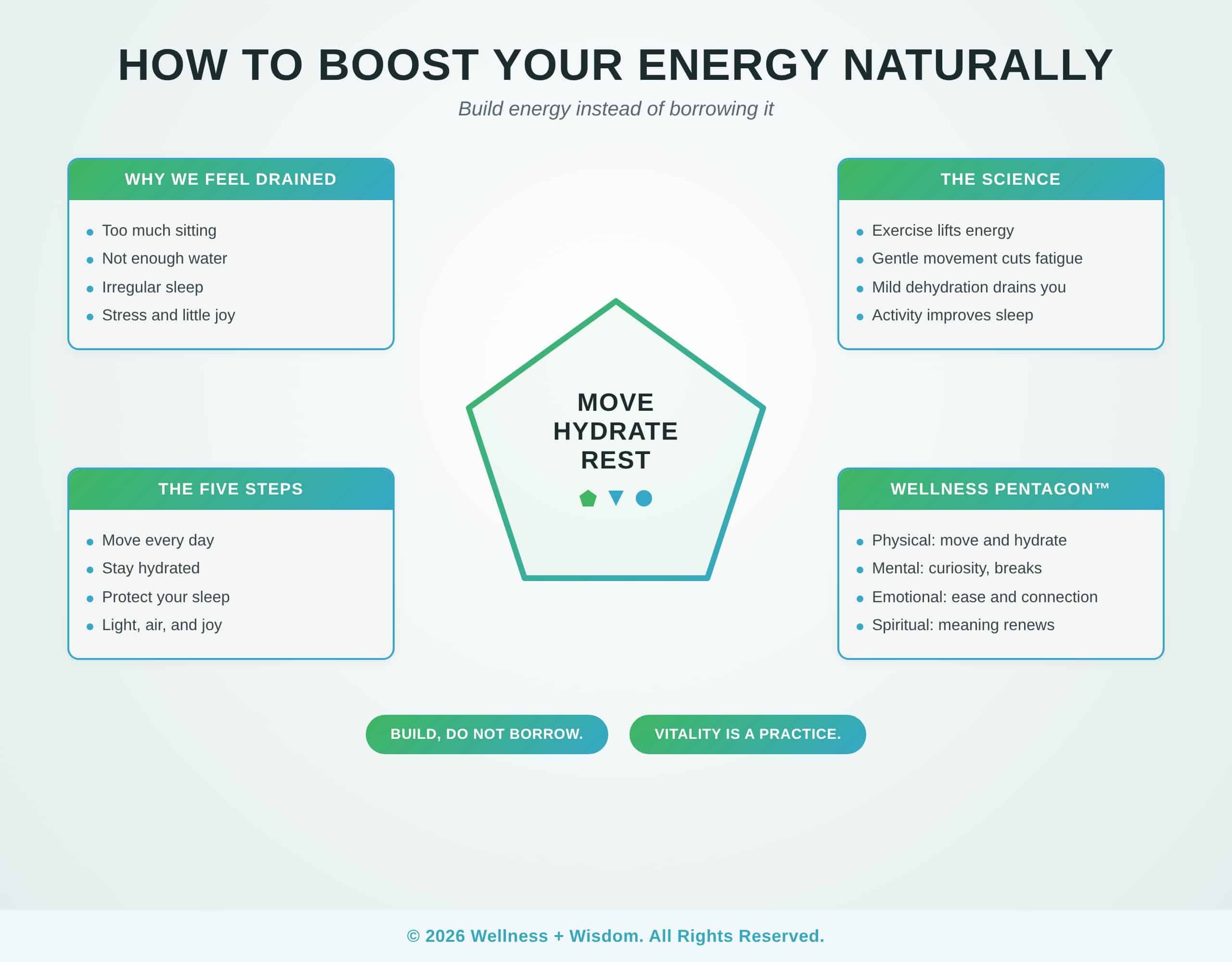
You learn how to boost your energy naturally by moving every day, staying hydrated, protecting your sleep, getting morning light and fresh air, and filling your day with joy and connection. These five steps support your body's natural energy system from every angle. Here is how I practice and teach them.
1. Move Every Day
Aim for some movement every day, even if it is gentle. A brisk walk, a bike ride, a yoga session, dancing in your kitchen, or a few minutes of stretching between tasks all count. As the research shows, even low intensity movement can significantly reduce fatigue. If you sit for long periods, stand up and move for a few minutes every hour. Movement wakes up your body and mind in a way caffeine never can.
2. Stay Hydrated
Keep a water bottle with you and sip throughout the day. Start your morning with a full glass of water before coffee. Notice how you feel when you are well hydrated compared with when you are not. Many people are surprised by how much their afternoon slump improves simply by drinking more water. Herbal teas and water rich foods like fruits and vegetables help too.
3. Protect Your Sleep
Sleep is the foundation of natural energy. Aim for consistent sleep and wake times, put screens away before bed, and create a calm, dark sleeping environment. When you sleep well, you wake up with a full tank. When you do not, no amount of coffee can fully make up for it. Learning to rest without guilt is part of this too.
4. Get Morning Light and Fresh Air
Step outside soon after waking, even for a few minutes. Morning light helps set your internal clock, supporting energy during the day and better sleep at night. Fresh air and time outdoors are naturally refreshing. A short walk outside in the morning combines movement, light, and fresh air in one simple habit, which pairs beautifully with the practices in how to create a morning routine.
5. Fill Your Day With Joy and Connection
Energy is emotional as well as physical. Spend time with people who lift you up. Make room for play, laughter, creativity, and activities that make you feel alive. Notice which people and activities leave you energized and which leave you drained, and gently shift your time toward the energizing ones. Joy is one of the most renewable energy sources there is, and it is beautifully explored in how to cultivate joy.
Food matters too. Meals built around vegetables, fruits, whole grains, healthy fats, and quality protein tend to provide steadier energy than meals heavy in refined sugar and highly processed foods. Notice how different meals affect you. Many people find that a balanced lunch with protein and fiber helps them avoid the classic afternoon slump, while a large, heavy meal leaves them sleepy. Eating at fairly regular times and not skipping meals when you are hungry can also keep your energy more even. You do not need a perfect diet. Small, consistent improvements make a real difference over time.
Start with one or two of these steps this week. Even small changes can make a noticeable difference within days. And if you would love support from a community committed to vibrant living, the Liberated Life Tribe is a warm place to grow.
Steady Energy Versus Quick Fixes
Steady energy comes from habits that support your body's natural systems, while quick fixes like extra caffeine, sugary snacks, and energy drinks provide short bursts that are often followed by crashes. Quick fixes can have their place, but relying on them leaves you on an exhausting roller coaster.
Think about the typical quick fix cycle. You wake up tired and reach for coffee. Mid morning, you feel a dip and grab another cup or a sweet snack. After lunch, energy crashes, so you reach for more caffeine or sugar. By evening, you are wired and tired, struggling to fall asleep, which sets up another tired morning. This cycle is incredibly common, and it is not your fault. It is simply what happens when we try to borrow energy rather than build it.
Steady energy feels completely different. It comes from sleep that actually restores you, movement that wakes up your body, water that keeps your cells working well, nourishing food that fuels you without spikes, and emotional wellbeing that lifts your spirit. You do not have to give up coffee entirely to enjoy steady energy. Many people simply enjoy it earlier in the day, in moderate amounts, while letting their daily habits do the heavy lifting. Over time, you may find you need quick fixes far less often. Building these steady habits is explored in how to build healthy habits.
How to Boost Your Energy Naturally With the Wellness Pentagon™
The Wellness Pentagon™ shows that energy comes from every dimension of your life: physical, mental, emotional, spiritual, and financial. When one dimension is depleted, your overall energy suffers. When all five are nourished, vitality flows naturally.
Physical. Move daily, hydrate, sleep well, eat whole foods, and get outside. These are the foundations of physical energy. Caring for your body in these simple ways is a beautiful way to honor your body.
Mental. A cluttered, overstimulated mind drains energy. Give your mind breaks, reduce unnecessary input, and engage in activities that challenge and interest you. Learning, curiosity, and creative work often feel energizing rather than draining.
Emotional. Unprocessed emotions and ongoing conflict are major energy drains. Make space to feel and express your emotions, and nurture relationships that feel supportive. Emotional ease frees up a surprising amount of energy.
Spiritual. A sense of meaning, purpose, and Connection to Creator and God can be a deep source of renewal. Prayer, meditation, gratitude, and time in nature help many people feel spiritually refreshed and energized for life.
Financial. Money worries can quietly drain energy through constant background stress. Taking small steps toward financial clarity and peace can lift a weight you may not realize you are carrying. The link between money and wellbeing is explored in how money stress changes your biology. To go deeper with identity level change, explore our L.I.F.E. Method™ programs.
Celebrating Your Vitality
Celebrating your vitality helps reinforce the habits that create it. Your brain learns through reward, so when you notice and appreciate how good it feels to have energy, you strengthen your motivation to keep caring for yourself.
Pay attention to the days when you feel energized. What did you do differently? Maybe you slept well, took a morning walk, drank more water, or spent time with someone who makes you laugh. Notice these patterns and celebrate them. Recognizing the connection between your choices and your energy makes it easier to repeat those choices.
You can also celebrate small wins along the way. The first week you drink enough water every day. The morning you choose a walk instead of scrolling. The afternoon you skip the third coffee and feel fine. These moments deserve recognition, because they are building a more vibrant life. There is a whole practice around noticing these moments in celebrating small wins.
Vitality Is a Lifelong Practice
Vitality is a lifelong practice, because your energy needs and challenges will shift across different seasons of life. A new baby, a demanding job, illness, aging, or grief can all affect your energy. During these times, be gentle with yourself and return to the basics: sleep, water, gentle movement, and connection.
Paying attention to your natural energy rhythm can also help. Most people have times of day when they feel most alert and times when energy naturally dips. Instead of fighting the dip with more caffeine, try a short walk, a few minutes of fresh air, or a brief rest. Plan your most demanding tasks for your high energy windows whenever possible.
Over time, many people find that their energy becomes more stable and resilient as healthy habits take root. They feel less dependent on quick fixes and more in tune with what their body needs. They notice the early signs of depletion and respond with rest before burnout sets in. This kind of body wisdom is one of the most valuable gifts of a healthy lifestyle.
It also helps to see energy as something you manage, not just something you have. Just as you budget money, you can thoughtfully plan your energy, saving your best energy for what matters most and building in recovery after demanding days. Rest is not wasted time. It is how you refill the tank. You will find many guests sharing their own energy practices across our latest episodes, from movement and breath to cold exposure, explored in cold exposure epigenetics.
When You Feel Tired All the Time
If you feel tired all the time right now, you are in very good company, and it is completely understandable. Building natural energy does not mean you will feel vibrant overnight. It means you will gently build habits that support your vitality, a little at a time, at a pace that honors where you are.
When you feel exhausted, start with the smallest possible step. Drink one glass of water. Take a five minute walk. Go to bed thirty minutes earlier tonight. Step outside for a few breaths of fresh air. These small actions add up. Gentle breathing practices can also lift energy, like those explored in how to practice breathwork and BREATHE™. Supportive tools like a quality water bottle or a breath training device can help, and you can find a few we trust in our wellness tools store.
It is also important to know that persistent fatigue that does not improve with rest and healthy habits can be a sign of an underlying health condition, such as anemia, thyroid issues, sleep disorders, depression, or other concerns. If you feel exhausted most of the time, talk with a qualified health professional to rule out medical causes. There is real strength in asking for help. Wherever you are, be patient and kind with yourself, and trust that learning how to boost your energy naturally is something you can absolutely grow, one small choice at a time.
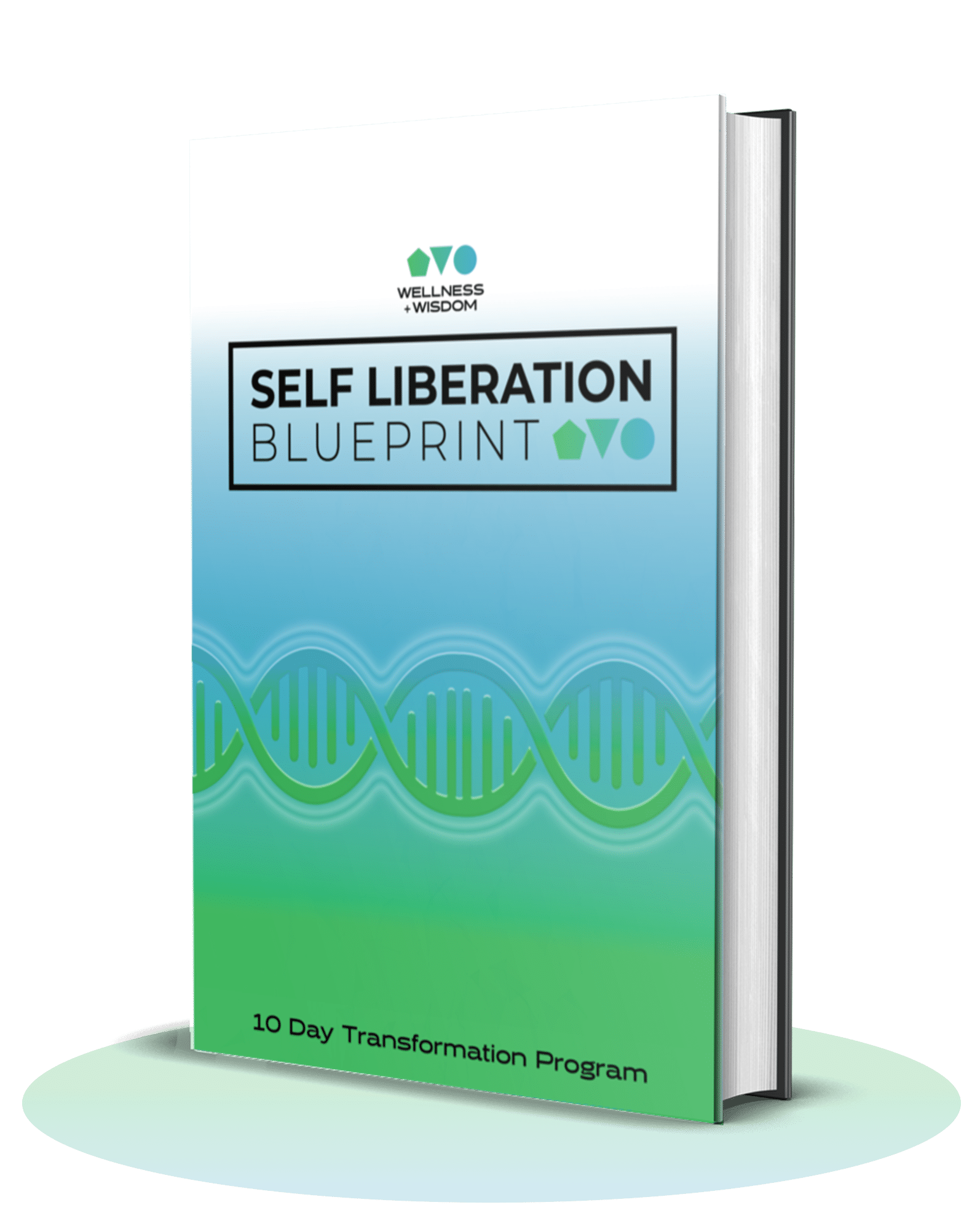
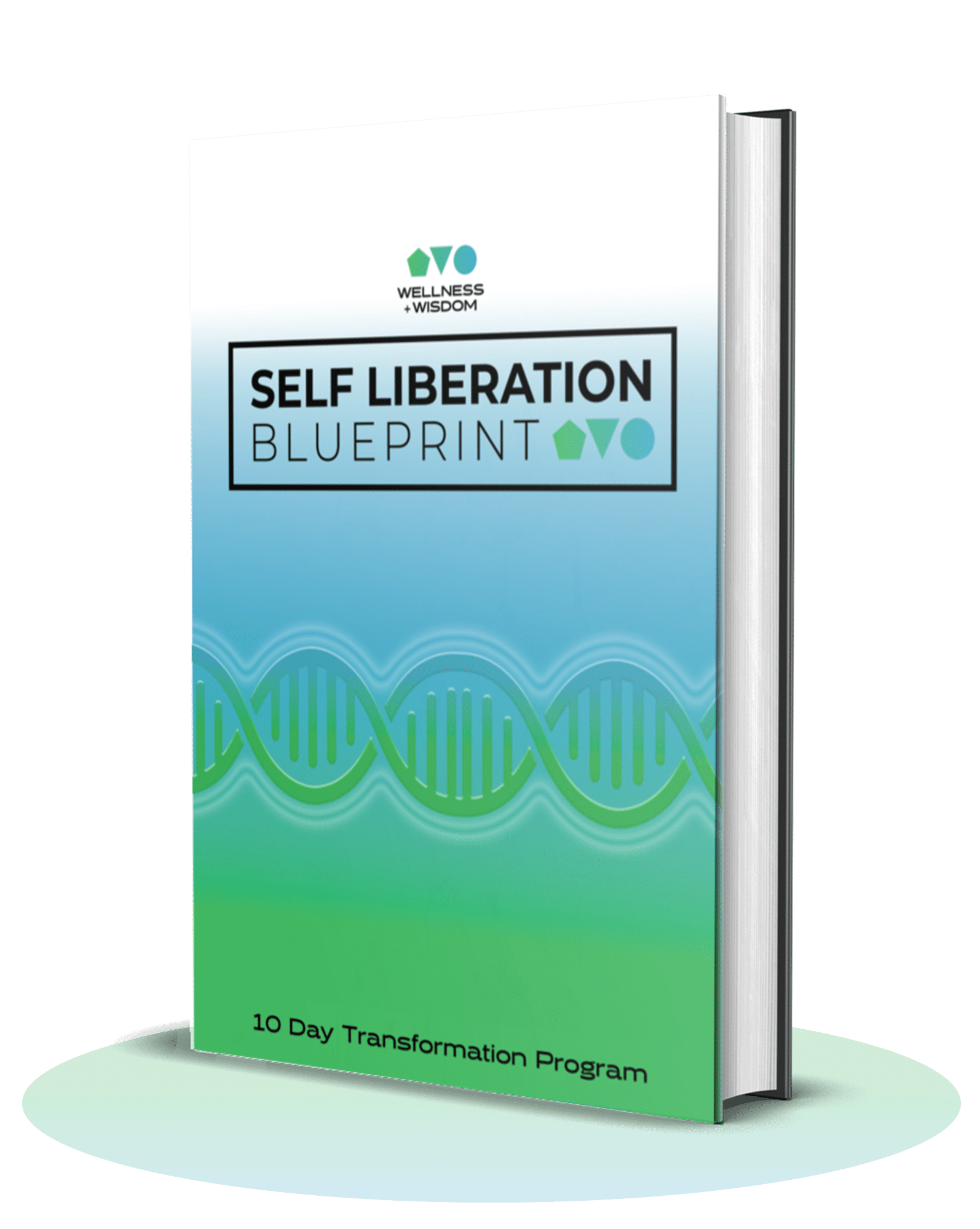
Ready to go deeper? Join the Liberated Life Tribe and receive your 10 day Self Liberation Blueprint at liberatedlife.com. It is free, it is guided, and each day offers a simple practice that helps you build vibrant, lasting energy.
Frequently Asked Questions
What is the fastest natural way to boost energy?
A short brisk walk, ideally outdoors, combined with a glass of water is one of the fastest natural energy boosts. Movement increases circulation and alertness, fresh air and light refresh your mind, and hydration supports mood and focus. A few slow, deep breaths can also help.
Does exercise really give you more energy?
Yes. A meta analysis in Psychological Bulletin found that regular exercise consistently increased feelings of energy and reduced fatigue. A randomized trial also found that even low intensity aerobic exercise reduced fatigue in sedentary adults who felt persistently tired.
Can dehydration make you tired?
Yes. Research found that mild dehydration impaired attention and memory and increased fatigue, tension, and anxiety in healthy young men. Drinking water regularly throughout the day is one of the simplest ways to support steady energy.
Why am I tired even after sleeping?
Poor sleep quality, irregular sleep times, dehydration, lack of movement, stress, and diet can all leave you tired despite enough hours in bed. Persistent fatigue can also signal conditions like sleep apnea, anemia, or thyroid issues, so talk with a health professional if it continues.
Should I stop drinking coffee to have more energy?
Not necessarily. Many people enjoy coffee in moderation earlier in the day without problems. The key is not relying on caffeine to cover up poor sleep or other energy drains. Building steady habits like sleep, movement, and hydration reduces the need for quick fixes.
How long does it take to feel more energetic?
Some changes, like drinking more water or taking a walk, can help within hours. Habits like regular exercise and consistent sleep often show noticeable benefits within a few weeks. In one study, six weeks of aerobic exercise significantly increased energy and reduced fatigue.
Studies and External Resources
The science in this article rests on peer reviewed research. These are the sources referenced throughout.
- Puetz TW, O'Connor PJ, Dishman RK. (2006). Effects of chronic exercise on feelings of energy and fatigue: a quantitative synthesis. Psychological Bulletin. PubMed: 17073524
- Puetz TW, Flowers SS, O'Connor PJ. (2008). A randomized controlled trial of the effect of aerobic exercise training on feelings of energy and fatigue in sedentary young adults with persistent fatigue. Psychotherapy and Psychosomatics. PubMed: 18277063
- Ganio MS, et al. (2011). Mild dehydration impairs cognitive performance and mood of men. British Journal of Nutrition. PubMed: 21736786
- Kredlow MA, et al. (2015). The effects of physical activity on sleep: a meta analytic review. Journal of Behavioral Medicine. PubMed: 25596964
About Josh Trent
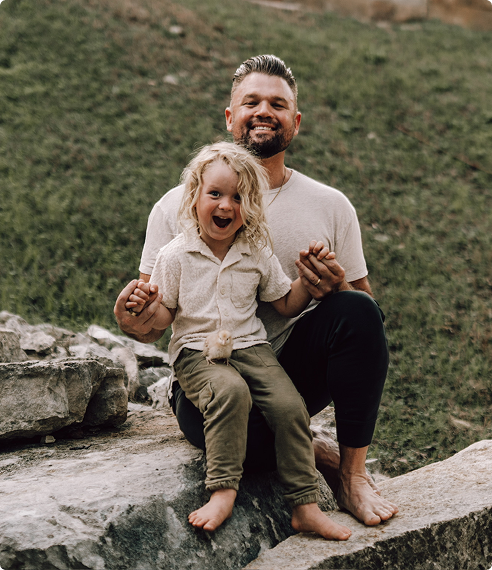
Josh Trent is an Identity Transformation Architect and the award winning host of the Wellness + Wisdom Podcast, with over 15 million downloads since 2015. He is the creator of the L.I.F.E. Method™ Identity Transformation System and steward of the Emotional Epigenetics™ and BREATHE: Breath + Wellness™ systems of self mastery, impacting over 1,000 students worldwide. Join the Liberated Life Tribe and receive your 10 day Self Liberation Blueprint at liberatedlife.com. Josh lives in Austin, Texas with his wife Carrie, daughter Nayah, and son Novah. Peace and power.
Disclosure: We may earn a commission from certain links on this site when you make a purchase, at no extra cost to you. These commissions help support Wellness + Wisdom and do not affect the products or resources we choose to recommend. Full disclosure .